


Robert Williams
Released Album
Choral
-
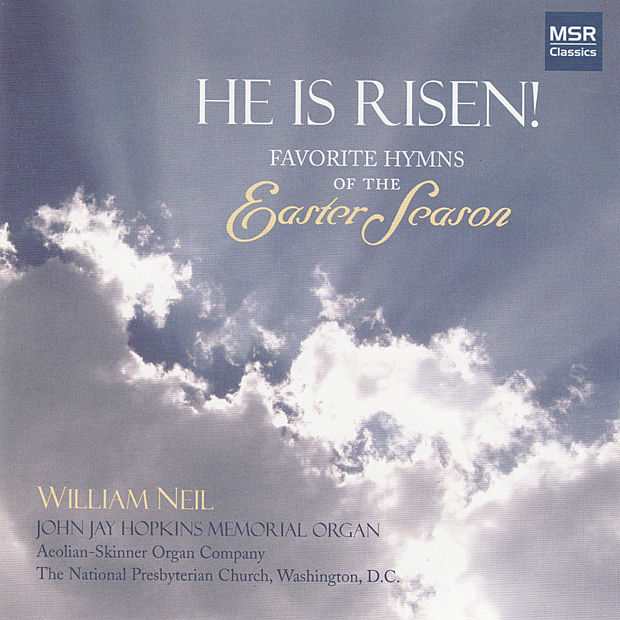 March 13, 2007
 -
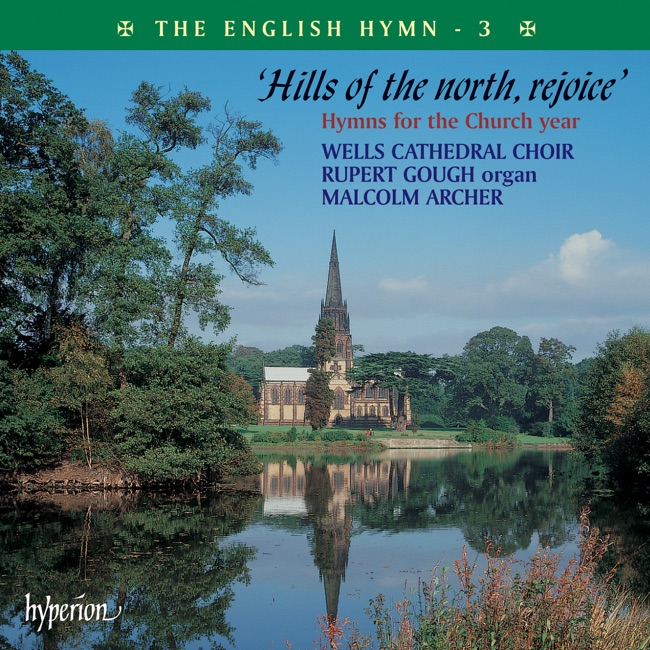 October 8, 2002
Artist Info
Role:ComposerBirth:1781Death:1821Genre:ChoralRobert Williams was a renowned classical music composer who was born on January 15, 1925, in London, England. He was the youngest of three children born to a family of musicians. His father was a violinist, and his mother was a pianist. Williams grew up in a musical household, and his parents encouraged him to pursue music from a young age. Williams began his musical education at the age of six when he started taking piano lessons. He showed a natural talent for music and quickly progressed in his studies. At the age of ten, he started composing his own music, and by the time he was a teenager, he had already written several pieces for piano and chamber ensembles. In 1943, Williams was drafted into the British Army and served in World War II. During his time in the army, he continued to compose music and even wrote a piece for the army band. After the war, Williams returned to London and resumed his musical studies. In 1947, Williams enrolled at the Royal College of Music in London, where he studied composition with Ralph Vaughan Williams and piano with Arthur Benjamin. He graduated in 1950 with a degree in composition and piano performance. After graduation, Williams began his career as a composer and pianist. He quickly gained recognition for his compositions, which were characterized by their lyrical melodies, rich harmonies, and intricate counterpoint. His music was influenced by the works of Bach, Mozart, and Beethoven, as well as by the English folk music tradition. One of Williams' early successes was his Piano Concerto No. 1, which he composed in 1952. The concerto was premiered by the London Symphony Orchestra, with Williams himself as the soloist. The piece was well-received by audiences and critics alike and established Williams as a rising star in the classical music world. In the years that followed, Williams continued to compose prolifically, producing works for orchestra, chamber ensembles, and solo instruments. Some of his most notable works from this period include his Symphony No. 1, which was premiered by the BBC Symphony Orchestra in 1955, and his String Quartet No. 1, which was premiered by the Amadeus Quartet in 1957. In the 1960s, Williams' music began to gain international recognition. His works were performed by orchestras and ensembles around the world, and he received commissions from prestigious organizations such as the BBC and the Royal Philharmonic Society. One of Williams' most famous works from this period is his Fantasia on a Theme by Thomas Tallis, which he composed in 1960. The piece is a tribute to the English composer Thomas Tallis and is scored for string orchestra. It is characterized by its lush harmonies and soaring melodies and has become one of Williams' most beloved works. In the 1970s, Williams continued to compose and perform, but he also began to focus more on teaching and mentoring young musicians. He taught composition at the Royal College of Music and served as a mentor to many aspiring composers. One of Williams' most significant works from this period is his Symphony No. 5, which he composed in 1975. The symphony is a tribute to the English landscape and is scored for a large orchestra. It is characterized by its sweeping melodies and evocative harmonies and has become one of Williams' most popular works. In the 1980s and 1990s, Williams continued to compose and teach, but he also began to receive numerous honors and awards for his contributions to classical music.More....
Recent Artist Music
Copyright Ⓒ 2013 Davinci Finger. All rights reseved
Service Terms & Policy