


Justin Heinrich Knecht
Released Album
Keyboard
-
 October 23, 2007
 -
-
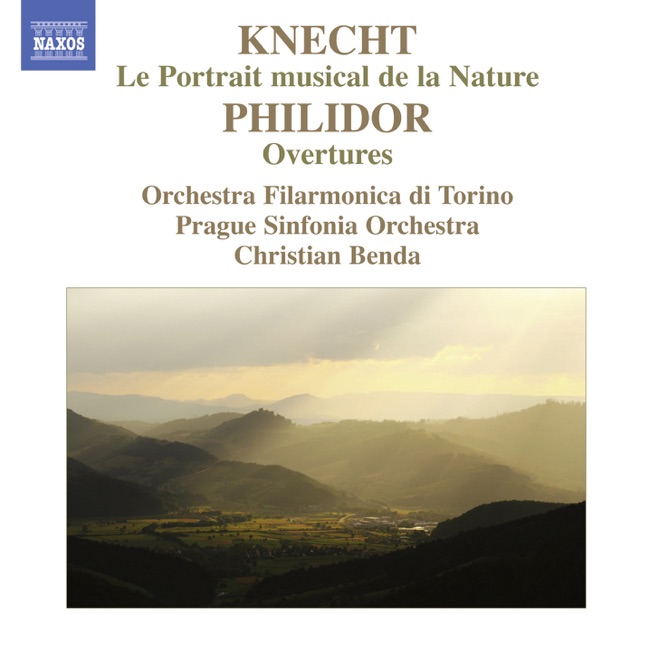
 June 24, 2003
 -
 June 25, 1996
Symphony
-
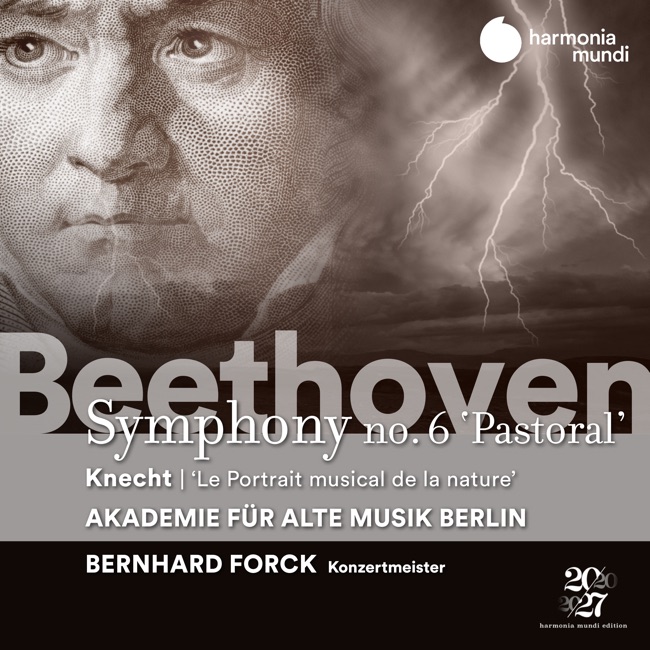 February 28, 2020
 -
Artist Info
Role:ComposerCountry: GermanyBirth:September 30, 1752 in Biberach an der RissDeath:December 1, 1817 in Biberach an der RissPeriod:ClassicalGenre:ChoralKeyboardJustin Heinrich Knecht was a German composer and music theorist who lived from 1752 to 1817. He was born in Biberach an der Riss, a small town in the south of Germany, and showed an early interest in music. His father was a musician and taught him the basics of music theory and composition. Knecht began his formal musical education at the age of 12, when he was sent to study with the organist Johann Georg Kastner in Augsburg. He quickly showed a talent for composition, and by the age of 16 he had written several works for the organ and choir. In 1770, Knecht moved to Stuttgart to study with the composer Johann Christoph Friedrich Bach, the son of Johann Sebastian Bach. He continued to develop his skills as a composer and also began to study music theory in depth. He became particularly interested in the works of the French composer Jean-Philippe Rameau, whose theories of harmony and tonality had a profound influence on his own compositions. Knecht's first major work was a set of six string quartets, which he composed in 1776. These works were well received and helped to establish his reputation as a composer. He continued to write chamber music throughout his career, including several string quintets and a set of six sonatas for violin and piano. In addition to his work as a composer, Knecht was also a respected music theorist. He wrote several books on music theory, including a treatise on harmony and a study of the music of Rameau. He was particularly interested in the relationship between music and language, and his theories on this subject were influential in the development of German Romanticism. Knecht's most famous work is his oratorio "Die Auferstehung Christi" (The Resurrection of Christ), which he composed in 1790. This work is notable for its use of choral writing and its dramatic portrayal of the events leading up to the resurrection of Christ. It was performed several times during Knecht's lifetime and remains a popular work in the choral repertoire. Knecht's music is characterized by its clarity and elegance. He was a master of counterpoint and harmony, and his works are notable for their use of chromaticism and modulation. He was also skilled at writing for the voice, and his vocal works are known for their expressive melodies and sensitive treatment of the text. Despite his many accomplishments, Knecht's music fell out of favor in the years following his death. It was not until the 20th century that his works began to be rediscovered and performed again. Today, he is recognized as an important figure in the development of German classical music and his works are appreciated for their beauty and craftsmanship.More....
Recent Artist Music
2
6:42
3
4:45
4
1:43
6
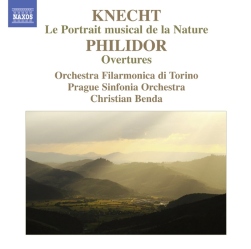
Great Symphony ("The Musical Portrait of Nature")
1. Allegretto - Andante pastorale - Allegretto - Villanella grazioso - Allegretto
9:34
7
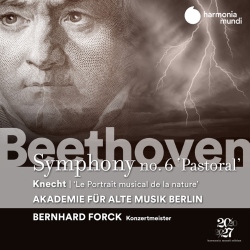
Great Symphony ("The Musical Portrait of Nature")
Nr. 1. Allegretto - Andante pastorale - Allegretto - Villanella grazioso [un poco adagio] - Allegretto
8:55
Copyright Ⓒ 2013 Davinci Finger. All rights reseved
Service Terms & Policy