


Bernhard Gander
Released Album
Chamber
-
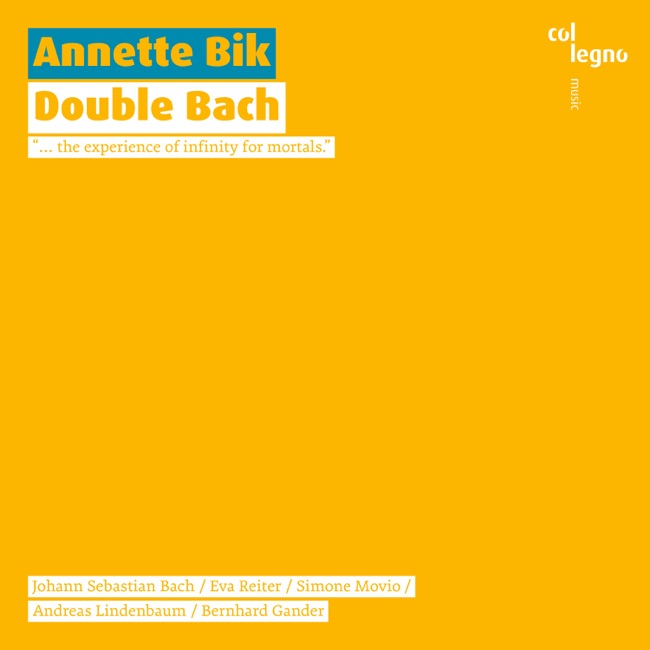 January 18, 2019
 -
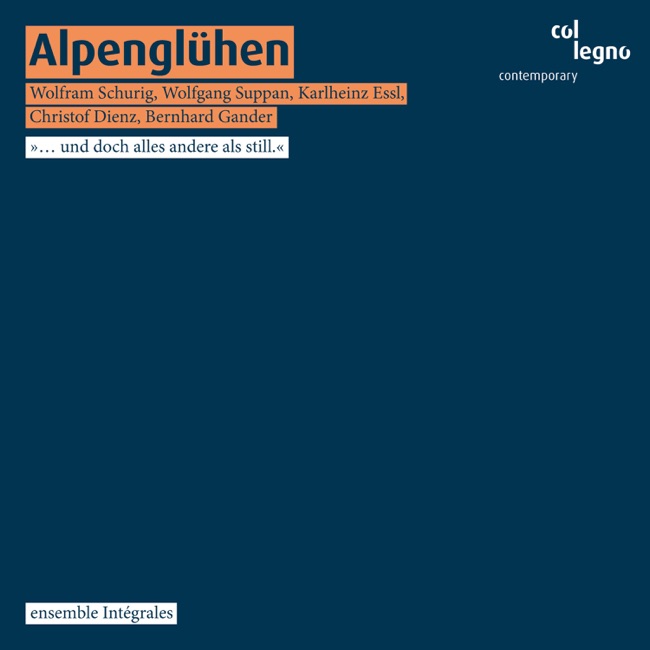 November 11, 2008
Keyboard
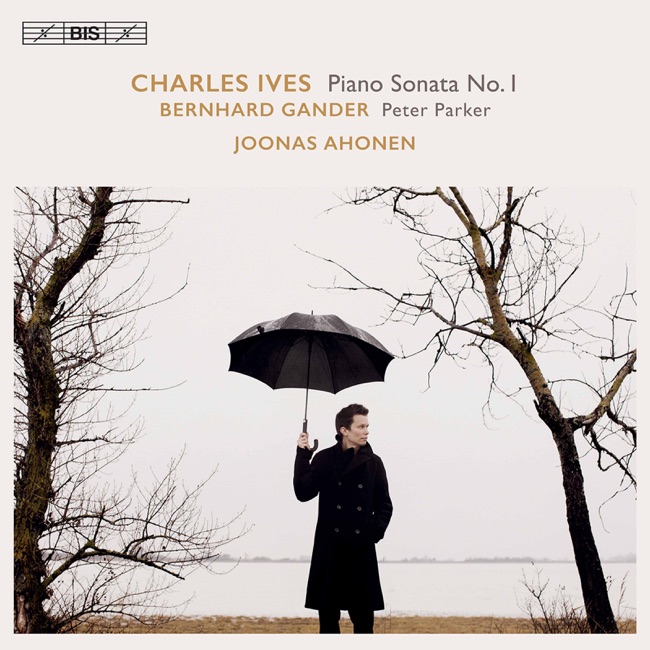
Artist Info
Role:ComposerCountry: AustriaBirth:1969Bernhard Gander is a contemporary classical music composer born on October 27, 1969, in Austria. He grew up in a musical family, with his father being a conductor and his mother a pianist. Gander started playing the piano at a young age and later learned to play the trumpet and the guitar. He studied composition at the University of Music and Performing Arts in Graz, Austria, and later at the University of Music and Performing Arts in Vienna. Gander's early works were influenced by the avant-garde and experimental music of the 20th century. He was particularly interested in the works of composers such as John Cage, Karlheinz Stockhausen, and György Ligeti. His compositions often featured unconventional instrumentation and extended techniques, such as using prepared instruments or incorporating electronic sounds. One of Gander's early works, "Kopfstand" (1995), for chamber ensemble, exemplifies his experimental approach to composition. The piece features a variety of unconventional sounds, including the use of a typewriter and a vacuum cleaner. The performers are also required to use extended techniques, such as playing their instruments with mutes or using their voices to create sound effects. In the early 2000s, Gander's style began to shift towards a more tonal and expressive approach. He started incorporating elements of jazz and popular music into his compositions, while still maintaining his experimental edge. His works from this period often feature catchy melodies and rhythmic grooves, as well as more traditional harmonic structures. One of Gander's most well-known works from this period is "Wormholes" (2004), a concerto for electric guitar and orchestra. The piece features a virtuosic guitar solo, accompanied by a lush orchestral score. The work has been performed by numerous orchestras around the world, including the Vienna Radio Symphony Orchestra and the BBC Scottish Symphony Orchestra. In recent years, Gander's compositions have continued to evolve, incorporating elements of rock, metal, and other popular genres. He has also started to explore more political and social themes in his works, such as in his opera "Richie" (2017), which deals with issues of poverty and inequality. One of Gander's most recent works, "The Hunger" (2019), for orchestra and choir, is a powerful and haunting meditation on the refugee crisis. The piece features a text by the Syrian poet Adonis, which speaks to the plight of those forced to flee their homes due to war and persecution. The music is both beautiful and unsettling, with moments of intense dissonance and chaos juxtaposed with moments of serene beauty. Overall, Bernhard Gander is a composer who has never been afraid to push the boundaries of what is possible in classical music. His works are characterized by their experimentalism, their expressive power, and their willingness to engage with contemporary social and political issues. As he continues to evolve as a composer, it will be exciting to see where his music takes him next.More....
Copyright Ⓒ 2013 Davinci Finger. All rights reseved
Service Terms & Policy