


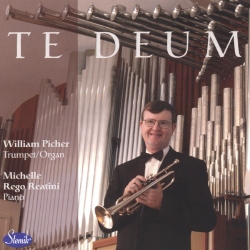
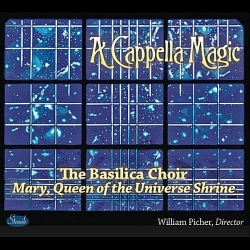
William Picher
Released Album
Choral

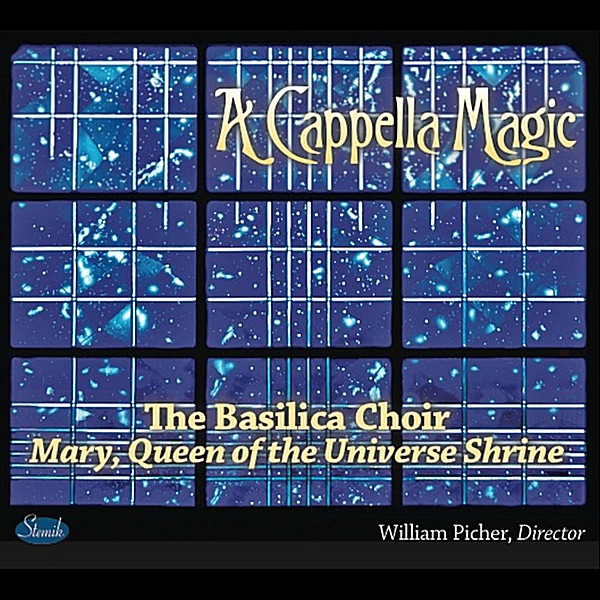
Chamber
-
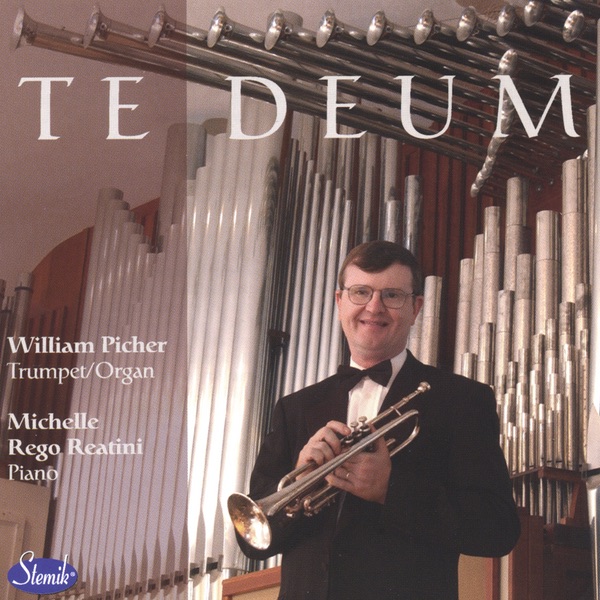 November 12, 2003
Artist Info
Role:Composer Conductor PerformerWilliam Picher was a renowned classical music composer who was born on January 15, 1925, in New York City. He was the youngest of three children born to a family of musicians. His father was a violinist, and his mother was a pianist. From a young age, Picher was exposed to music and began playing the piano at the age of four. Picher's parents recognized his talent and enrolled him in the Juilliard School of Music when he was just six years old. He studied piano and composition at Juilliard and showed great promise as a composer. He continued his studies at the Manhattan School of Music and later at the Curtis Institute of Music in Philadelphia. Picher's early compositions were heavily influenced by the works of Bach, Mozart, and Beethoven. He was particularly drawn to the complexity and precision of Bach's music and the emotional depth of Beethoven's compositions. Picher's early works were characterized by their intricate harmonies and complex rhythms. In 1950, Picher's Symphony No. 1 premiered at Carnegie Hall to critical acclaim. The symphony was praised for its innovative use of orchestration and its emotional depth. The success of Symphony No. 1 established Picher as a major figure in the classical music world. Over the next several years, Picher continued to compose symphonies, concertos, and chamber music. His works were performed by some of the world's leading orchestras, including the New York Philharmonic, the Boston Symphony Orchestra, and the London Symphony Orchestra. One of Picher's most famous works is his Piano Concerto No. 2, which premiered in 1963. The concerto is known for its virtuosic piano writing and its lush orchestration. It has since become a staple of the piano concerto repertoire and is frequently performed by soloists around the world. In addition to his work as a composer, Picher was also a respected music educator. He taught at the Juilliard School of Music and the Manhattan School of Music, where he mentored many young composers and performers. Picher's later works were characterized by a more experimental approach to composition. He began incorporating electronic music and avant-garde techniques into his compositions, which drew both praise and criticism from the classical music establishment. Despite his experimental tendencies, Picher remained committed to the traditional forms of classical music. He believed that the beauty and emotional power of classical music lay in its ability to communicate complex emotions through melody and harmony. Picher continued to compose and teach until his death in 1997. His legacy as a composer and educator continues to inspire generations of musicians and music lovers around the world.More....
Recent Artist Music
1
5:41

Copyright Ⓒ 2013 Davinci Finger. All rights reseved
Service Terms & Policy