


Fred Lerdahl
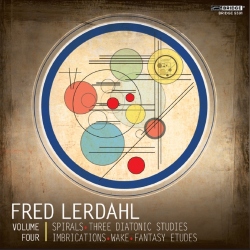
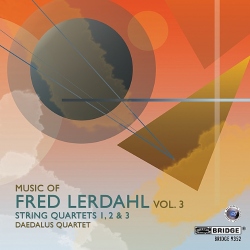
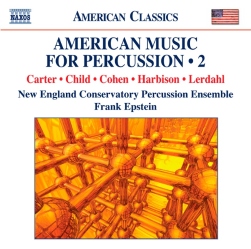
Released Album
Chamber
-
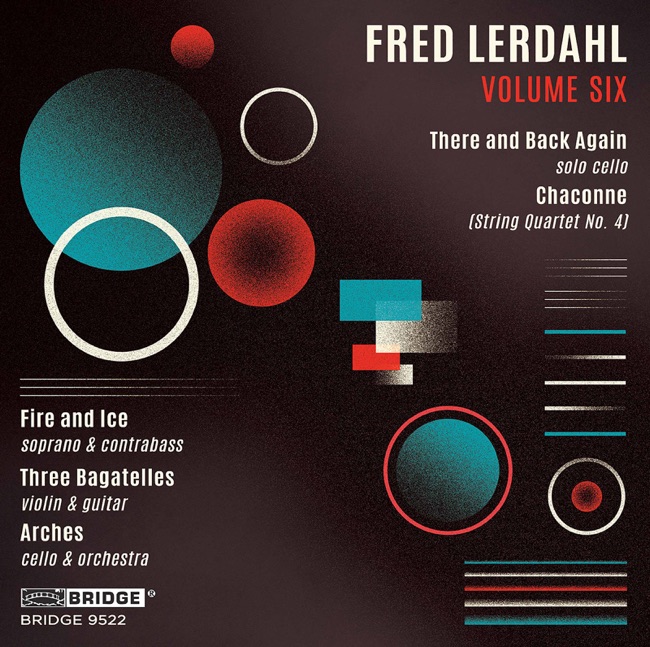 February 7, 2020
 -
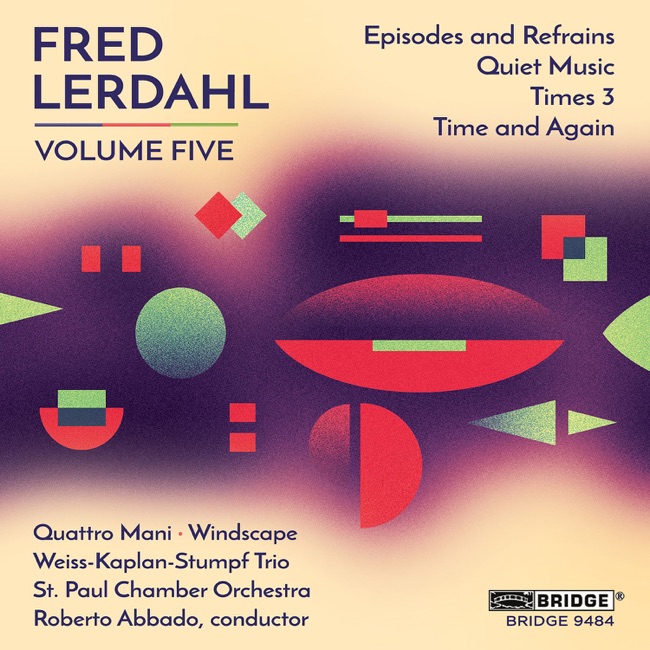 May 9, 2017
 -
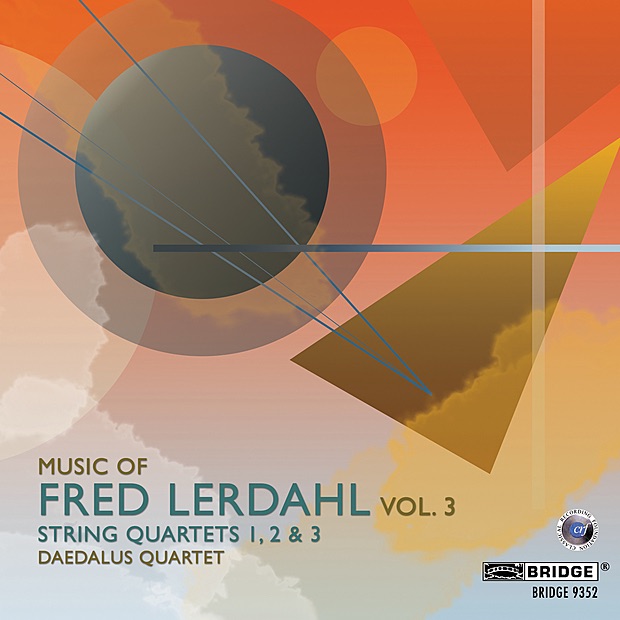 October 11, 2011
 -
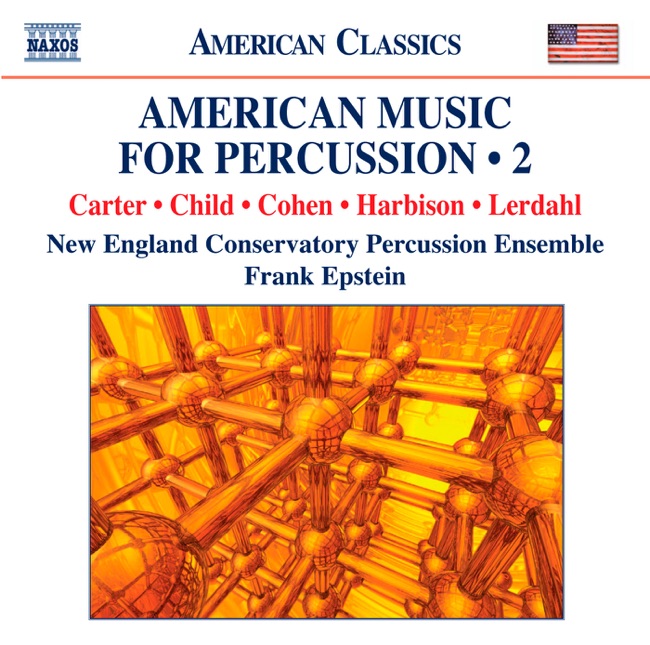 May 31, 2011
 -
 September 9, 2008
 -
 April 20, 1994
Keyboard
-
 October 6, 2023
 -
 May 14, 2013
 -
 September 12, 2011
Artist Info
Role:Composer ConductorBirth:March 10, 1943 in Madison, WIPeriod:ContemporaryGenre:ChamberVocalFred Lerdahl is a renowned American composer and music theorist, born on January 5, 1943, in Madison, Wisconsin. He is known for his contributions to contemporary classical music, particularly in the field of post-tonal music. Lerdahl's music is characterized by its complex harmonic structures, intricate rhythms, and innovative use of timbre. Lerdahl's interest in music began at an early age. He started playing the piano when he was six years old and later learned to play the clarinet and saxophone. He attended Lawrence University in Appleton, Wisconsin, where he earned a Bachelor of Music degree in composition in 1963. He then went on to study at the University of Illinois at Urbana-Champaign, where he earned a Master of Music degree in composition in 1965. After completing his studies, Lerdahl began his career as a composer and music theorist. He taught at the University of California, Berkeley, from 1968 to 1971, and then at Columbia University from 1971 to 2013. During his tenure at Columbia, he served as the Fritz Reiner Professor of Musical Composition and the Director of the Computer Music Center. Lerdahl's early works were influenced by the serialist techniques of composers such as Arnold Schoenberg and Anton Webern. However, he soon began to develop his own unique style, which incorporated elements of tonality and post-tonality. His music is characterized by its use of complex harmonic structures, intricate rhythms, and innovative use of timbre. One of Lerdahl's most significant works is his String Quartet No. 3, which was composed in 1984. The piece is known for its use of a "time-point" system, which allows the performers to play the music in a flexible and improvisational manner. The String Quartet No. 3 has been performed by numerous ensembles, including the Arditti Quartet and the Kronos Quartet. Another notable work by Lerdahl is his opera, "Marilyn," which was composed in 1992. The opera tells the story of Marilyn Monroe's life and features a libretto by poet and playwright J.D. McClatchy. "Marilyn" has been performed by several opera companies, including the Santa Fe Opera and the New York City Opera. Lerdahl's music has been recognized with numerous awards and honors. In 1991, he was awarded a Guggenheim Fellowship, and in 1993, he received the Rome Prize from the American Academy in Rome. He has also been awarded the Charles Ives Living Award from the American Academy of Arts and Letters and the Goddard Lieberson Fellowship from the American Academy of Arts and Letters. In addition to his work as a composer, Lerdahl is also a respected music theorist. He has written several influential books on music theory, including "A Generative Theory of Tonal Music" (1983), which he co-authored with linguist Ray Jackendoff. The book presents a new theory of tonal music that is based on principles of cognitive psychology and linguistics. Lerdahl's contributions to contemporary classical music have had a significant impact on the field. His innovative use of harmonic structures, rhythms, and timbre has inspired numerous composers and performers. His work as a music theorist has also helped to advance our understanding of the principles that underlie tonal and post-tonal music. In conclusion, Fred Lerdahl is a highly respected composer and music theorist who has made significant contributions to contemporary classical music.More....
Copyright Ⓒ 2013 Davinci Finger. All rights reseved
Service Terms & Policy