


Ching-chu Hu
Released Album
Chamber
-
 March 2, 2015
 -
 September 8, 2009
 -
 April 14, 2009
 -
 March 10, 2009
 -
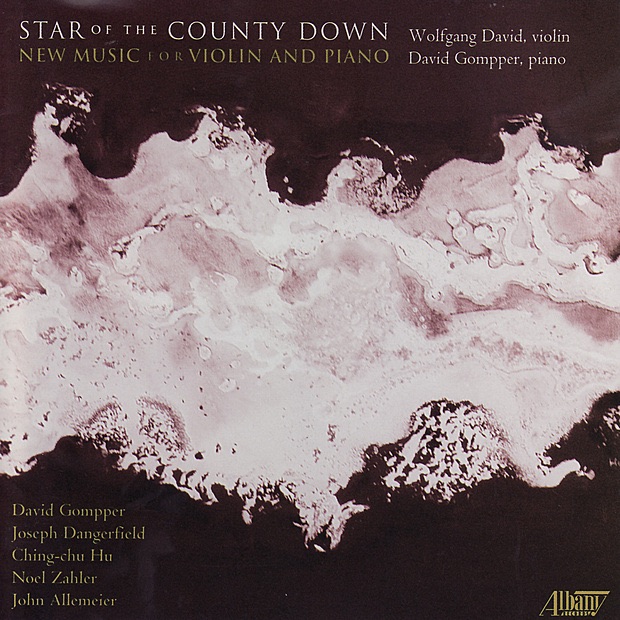 June 5, 2007
 -
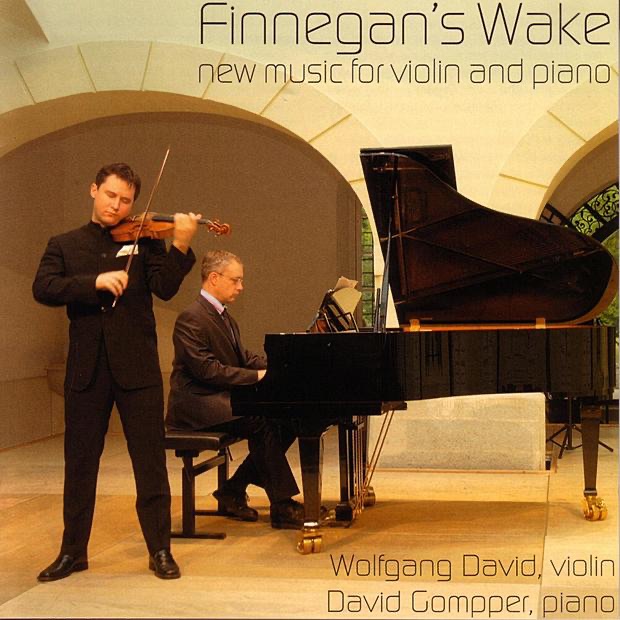 September 28, 2004
Artist Info
Role:Composer PerformerBirth:1969 in Iowa City, IAChing-chu Hu was a Chinese-American composer who was born on August 28, 1929, in Shanghai, China. She was the daughter of a prominent Chinese diplomat, and her family moved frequently throughout her childhood due to her father's work. Despite this, Hu showed an early interest in music and began studying piano at the age of six. Hu's family eventually settled in the United States, where she continued her musical education. She attended the Juilliard School in New York City, where she studied composition with Vincent Persichetti and piano with Rosina Lhévinne. She also studied at the Tanglewood Music Center in Massachusetts, where she worked with Aaron Copland and Leonard Bernstein. Hu's early compositions were heavily influenced by her Chinese heritage, and she often incorporated traditional Chinese instruments and melodies into her works. One of her most famous early works is "The Fisherman's Song," which was written for piano and Chinese instruments and premiered in 1957. In the 1960s, Hu began to experiment with electronic music, and she became one of the first composers to use the Moog synthesizer in her compositions. Her electronic works, such as "The Flowing Stream" and "The Four Elements," were praised for their innovative use of technology and their unique soundscapes. Throughout her career, Hu continued to explore new musical styles and techniques. She wrote works for orchestra, chamber ensembles, and solo instruments, and her compositions were performed by some of the world's leading musicians and ensembles. She also taught composition at several universities, including the University of California, Berkeley, and the University of Hawaii. One of Hu's most famous works is "Fantasia on the Theme of Guanglingsan," which was written for solo pipa and orchestra. The pipa is a traditional Chinese instrument that is similar to a lute, and Hu's composition showcases the instrument's virtuosic capabilities. The work was premiered in 1982 by the San Francisco Symphony, with soloist Wu Man, and has since become a staple of the pipa repertoire. Another notable work by Hu is "The Flowing Stream," which was written for electronic tape and premiered in 1966. The piece is a meditation on the sounds of water, and it features a variety of electronic sounds and effects that create a dreamlike atmosphere. "The Flowing Stream" was one of the first works to use the Moog synthesizer, and it helped to establish Hu as a pioneer in the field of electronic music. Hu's music has been praised for its unique blend of Eastern and Western musical traditions, as well as its innovative use of technology. She was a trailblazer for women composers, and her contributions to the field of music continue to be celebrated today. Ching-chu Hu passed away on December 28, 2007, but her legacy lives on through her music and the many students she taught throughout her career.More....
Recent Artist Music
Copyright Ⓒ 2013 Davinci Finger. All rights reseved
Service Terms & Policy