


Richard A. Whiting
Released Album
Vocal
-
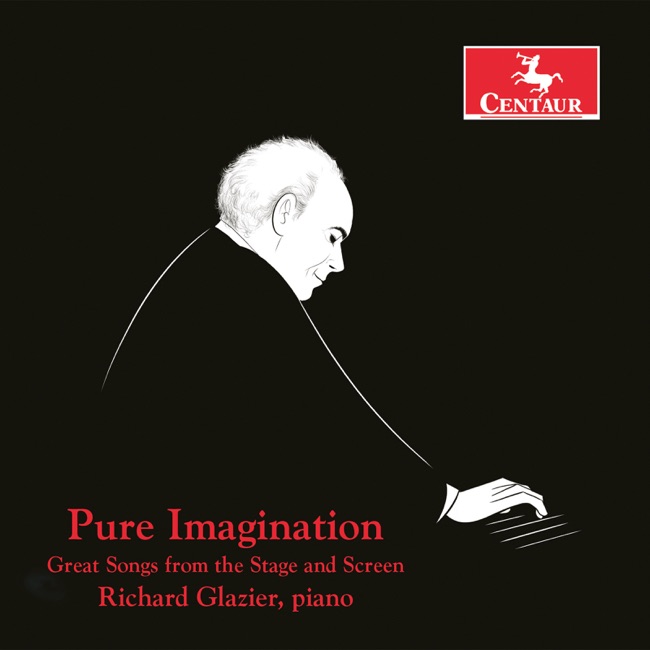
-
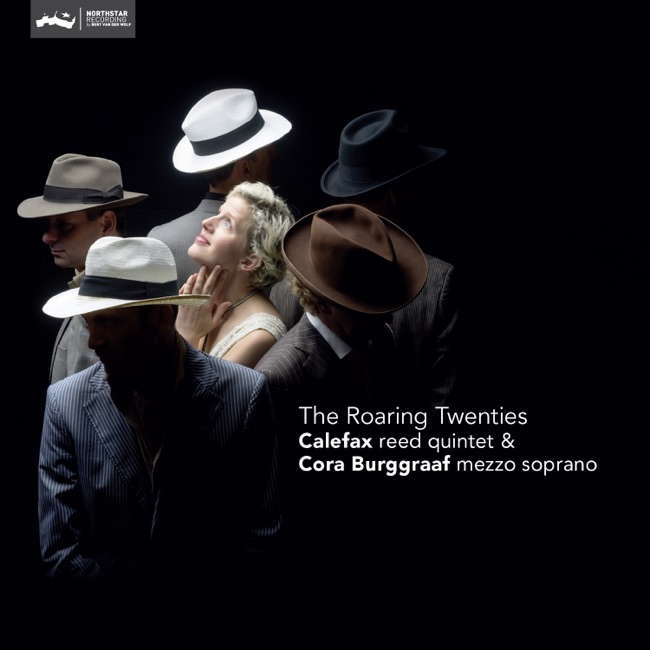 October 14, 2014
 -
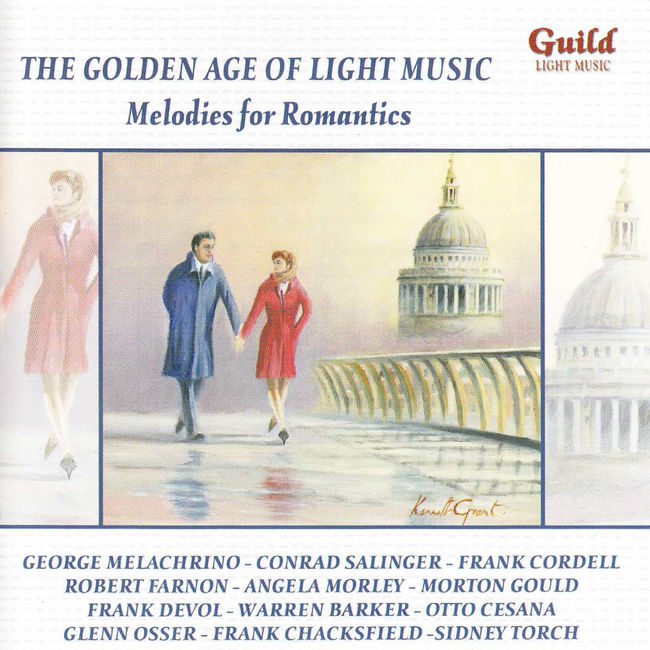 July 14, 2009
 -
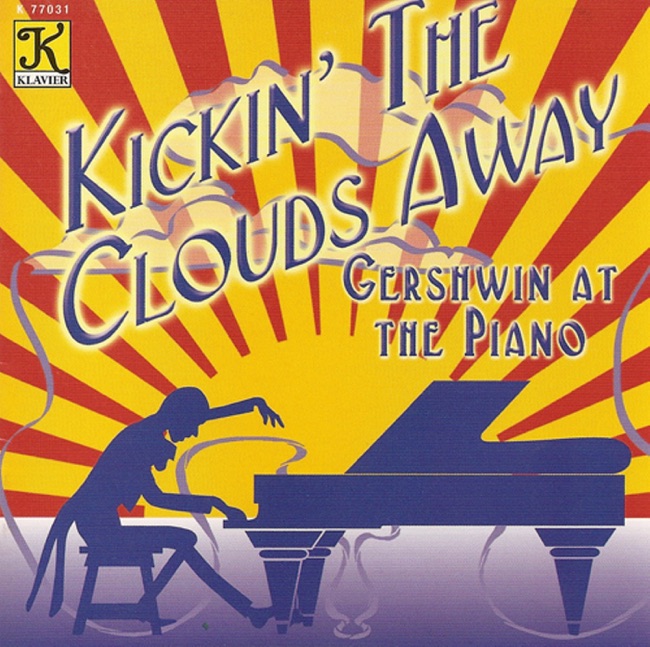 February 6, 2001
 -
 September 30, 2000
 -
 December 12, 1996
Artist Info
Role:ComposerCountry: United States of AmericaBirth:November 12, 1891 in Peoria, ILDeath:February 10, 1938 in Beverly Hills, CAGenre:VocalRichard A. Whiting was an American composer and songwriter who made significant contributions to the world of classical music. Born on November 12, 1891, in Peoria, Illinois, Whiting was the son of a music publisher and grew up surrounded by music. His father, Richard A. Whiting Sr., was a well-known composer and music publisher, and his mother, Emma Oliver Whiting, was a talented pianist. Whiting began his musical education at an early age, studying piano and composition with his mother. He later attended the Chicago Musical College, where he studied under the renowned composer and pianist Rudolph Ganz. After completing his studies, Whiting moved to New York City to pursue a career in music. In the early years of his career, Whiting worked as a staff pianist for various music publishers and as a composer of popular songs. He wrote his first hit song, "Till We Meet Again," in 1918, which became one of the most popular songs of the era. The song was later recorded by many famous artists, including Bing Crosby and Vera Lynn. Throughout the 1920s and 1930s, Whiting continued to write popular songs, including "Ain't We Got Fun," "My Ideal," and "She's Funny That Way." He also wrote music for several Broadway shows, including "The Little Show" and "Hooray for What!" In 1934, Whiting was inducted into the Songwriters Hall of Fame in recognition of his contributions to the world of popular music. Despite his success as a songwriter, Whiting was also a talented composer of classical music. He wrote several orchestral works, including a symphony, a piano concerto, and a suite for orchestra. His music was often characterized by its lush harmonies and romantic melodies. One of Whiting's most famous classical works is his "Concerto for Piano and Orchestra," which he composed in 1933. The concerto is a virtuosic showcase for the solo piano, with sweeping melodies and intricate passagework. It was premiered by the New York Philharmonic under the direction of Arturo Toscanini, with Whiting himself as the soloist. Another notable work by Whiting is his "Symphony in F Major," which he composed in 1929. The symphony is a grand, sweeping work that showcases Whiting's skill as an orchestrator. It was premiered by the Philadelphia Orchestra under the direction of Leopold Stokowski. In addition to his orchestral works, Whiting also wrote several chamber music pieces, including a string quartet and a piano trio. His chamber music is characterized by its lyrical melodies and rich harmonies. Whiting's music was well-received by critics and audiences alike, and he was regarded as one of the leading American composers of his time. His music was often compared to that of the great European composers, such as Rachmaninoff and Tchaikovsky. Despite his success as a composer, Whiting's career was cut short by his untimely death in 1938. He died of a heart attack at the age of 46, leaving behind a legacy of beautiful music that continues to be performed and enjoyed to this day. In conclusion, Richard A. Whiting was a talented composer and songwriter who made significant contributions to the world of classical music. His music was characterized by its lush harmonies and romantic melodies, and he was regarded as one of the leading American composers of his time. Although his career was cut short by his untimely death, his music continues to be performed and enjoyed by audiences around the world.More....
Recent Artist Music
4
3:11
7
3:5
10
6:35
Copyright Ⓒ 2013 Davinci Finger. All rights reseved
Service Terms & Policy