


Richard Flury
Released Album
Orchestral
-
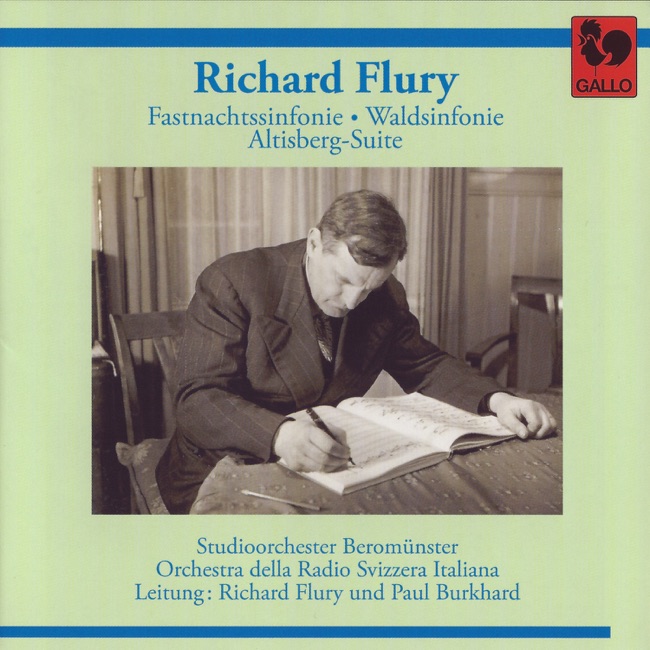
-
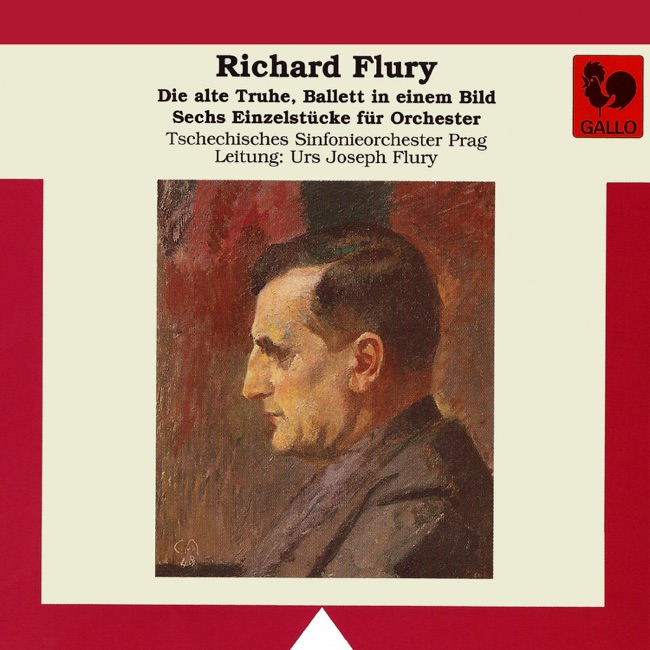 August 1, 1996
Keyboard
-
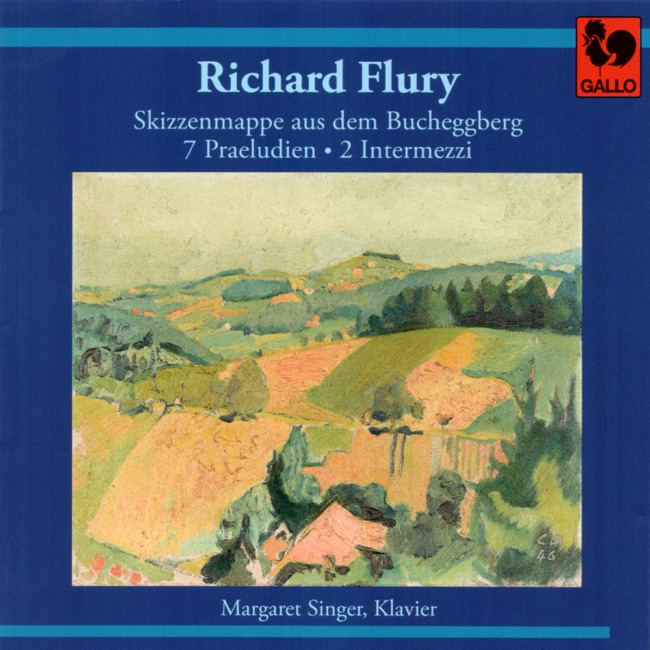 July 15, 2015
 -
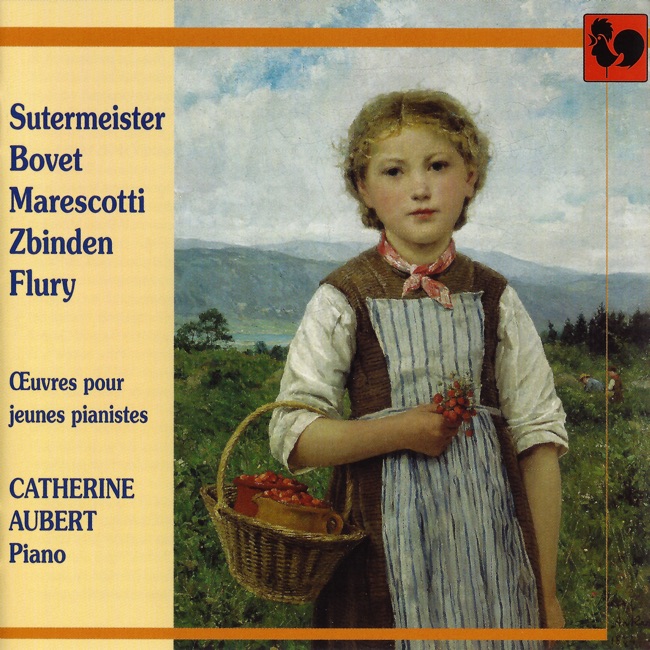 December 11, 2007
 -
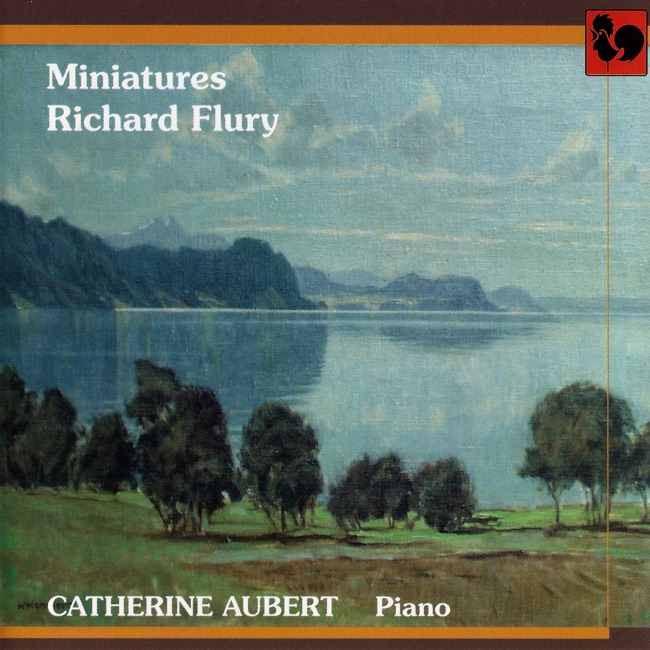 November 6, 2007
 -
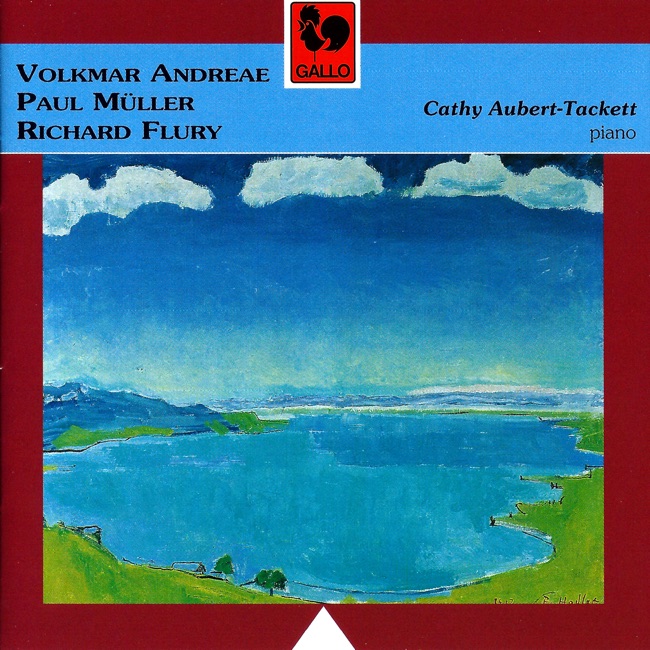 December 16, 1997
 -
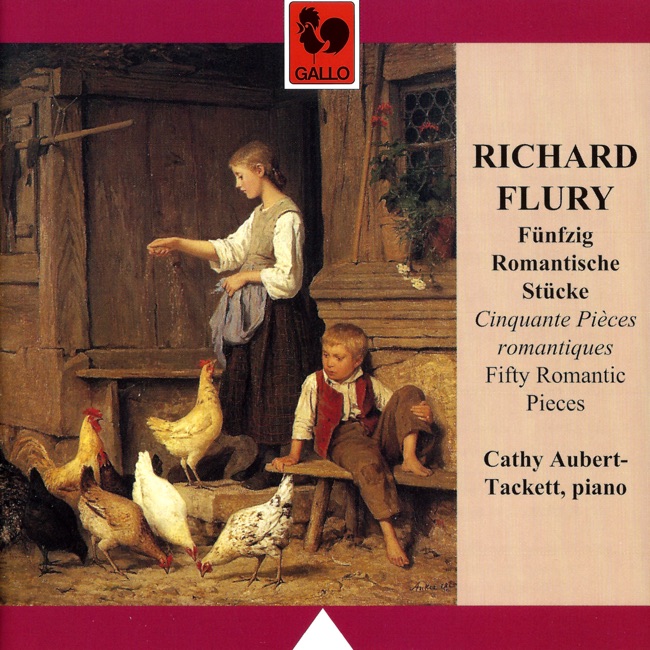 January 14, 1997
Concerto
-
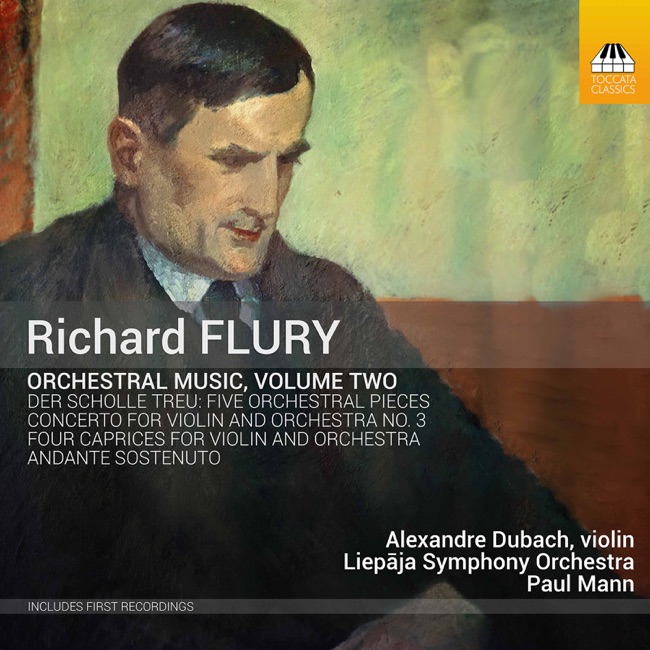 August 6, 2021
 -
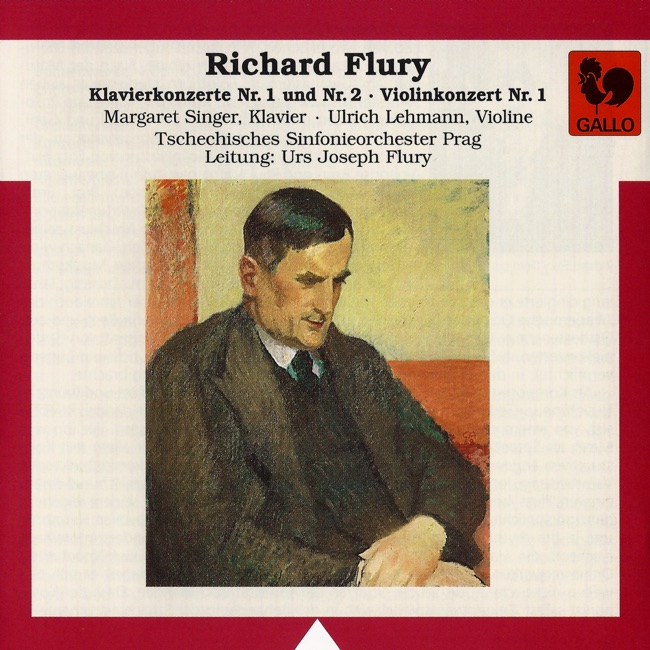 July 9, 1996
Vocal
-
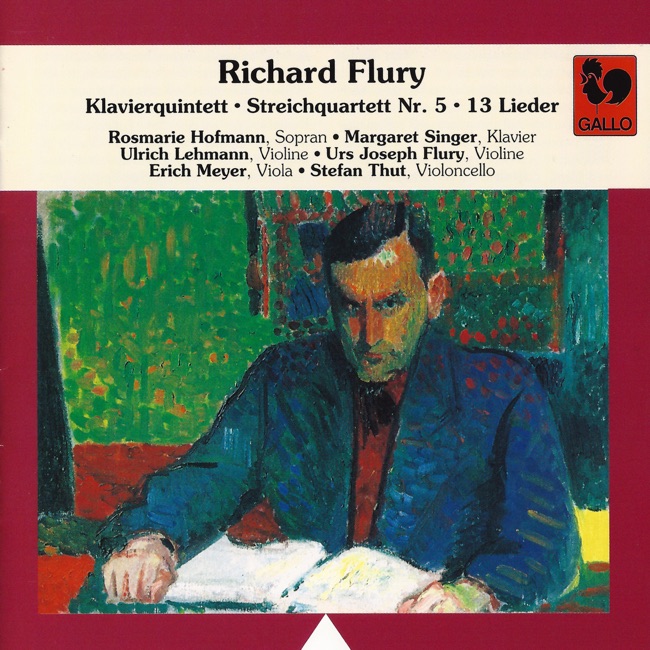 October 7, 1997
Artist Info
Role:Composer ConductorCountry: SwitzerlandBirth:March 26, 1896 in Biberist, SwitzerlandDeath:December 23, 1967 in Biberist, SwitzerlandPeriod:ModernGenre:ChamberConcertoKeyboardOrchestralRichard Flury was a Swiss composer who lived from 1896 to 1967. He was born in the town of Reconvilier, in the canton of Bern, Switzerland. Flury was the son of a music teacher, and he began his musical education at a young age. He studied piano, violin, and composition at the Bern Conservatory, where he was a student of Carl Walter. After completing his studies at the Bern Conservatory, Flury continued his education in Paris, where he studied with Nadia Boulanger. Boulanger was a highly respected teacher of composition, and she had a significant influence on Flury's development as a composer. Flury also studied with Paul Dukas, who was known for his orchestration skills. Flury's early works were influenced by the music of Claude Debussy and Maurice Ravel, as well as the impressionist movement in art. His music was characterized by its use of rich harmonies, colorful orchestration, and a sense of lyricism. Flury's early works include a number of piano pieces, as well as chamber music and orchestral works. In 1924, Flury was appointed as a professor of composition at the Zurich Conservatory. He held this position for many years, and he was highly respected as a teacher. Many of his students went on to become successful composers in their own right. Flury's music continued to evolve throughout his career. In the 1930s, he began to incorporate elements of folk music into his compositions. He was particularly interested in the music of the Swiss Alps, and he used this music as a source of inspiration for many of his works. Flury's music from this period is characterized by its use of folk melodies, as well as its rhythmic vitality. One of Flury's most famous works is his Symphony No. 2, which was composed in 1943. This work is notable for its use of folk melodies, as well as its powerful orchestration. The symphony is in four movements, and it is a powerful example of Flury's ability to create music that is both lyrical and dramatic. Flury's music was not widely known outside of Switzerland during his lifetime, but it has since gained recognition as an important contribution to the classical music canon. His music is characterized by its use of rich harmonies, colorful orchestration, and a sense of lyricism. Flury's works are a testament to his skill as a composer, as well as his deep love of music.More....
Recent Artist Music
10
6:11

Copyright Ⓒ 2013 Davinci Finger. All rights reseved
Service Terms & Policy