


Robert Fürstenthal
Released Album
Vocal
-
 June 12, 2020
 -
 November 17, 2017
 -
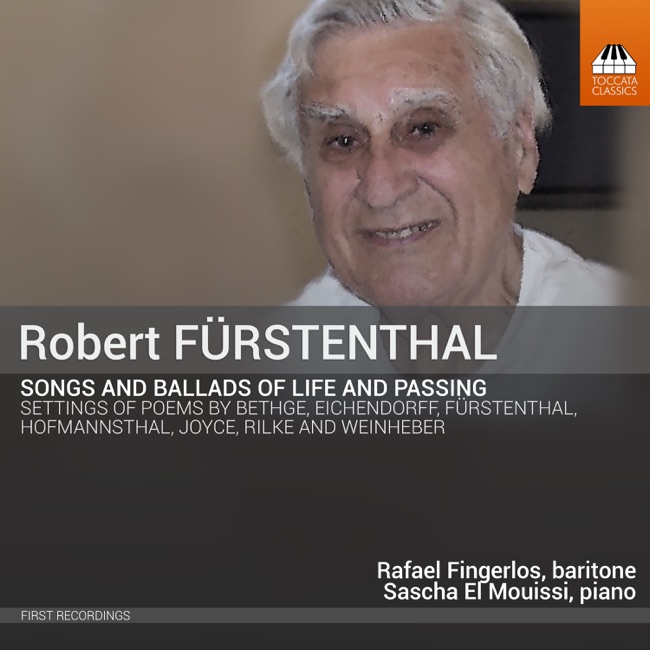 January 20, 2017
Chamber
-
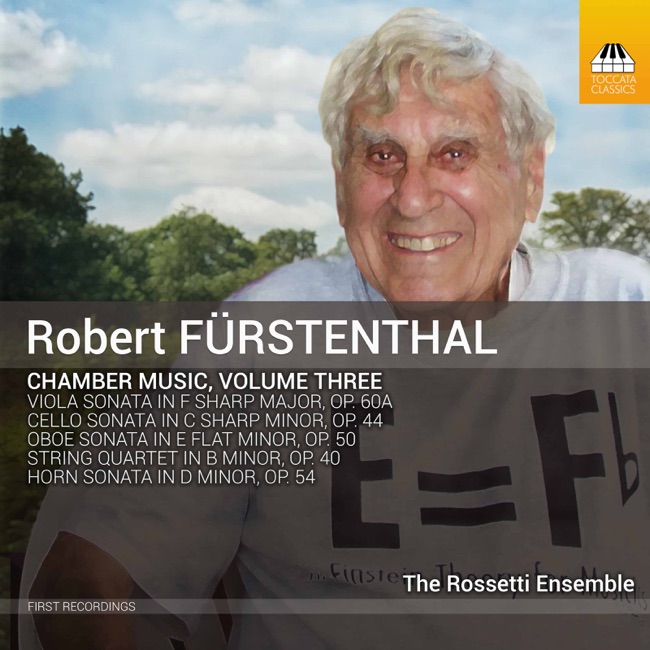 November 6, 2020
 -
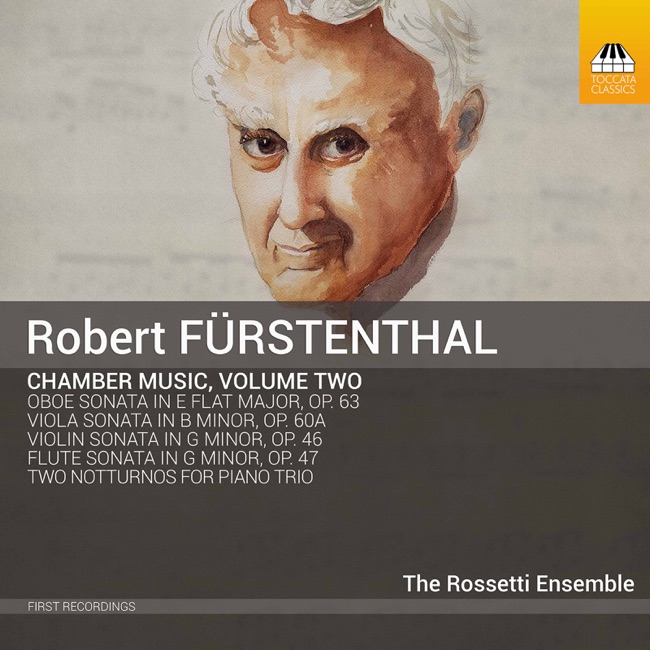 April 3, 2020
 -
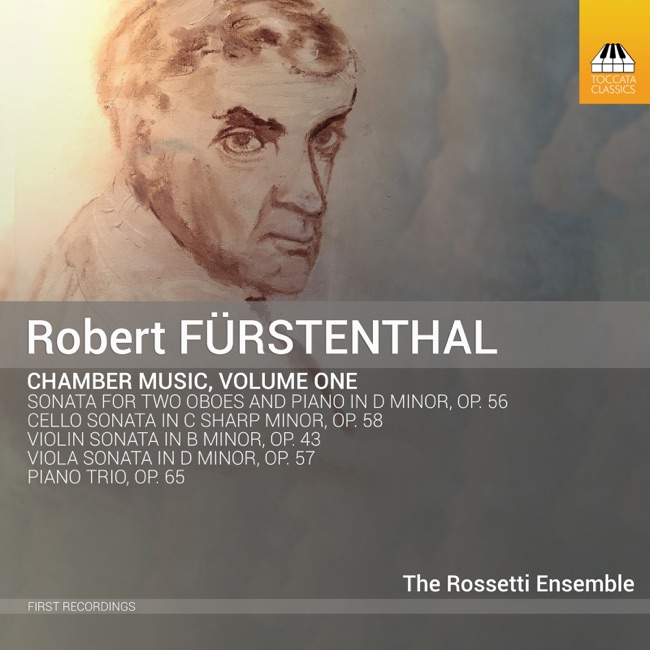 June 7, 2019
Artist Info
Role:ComposerBirth:June 27, 1920 in Vienna, AustriaDeath:November 16, 2016 in San Francisco, CARobert Fürstenthal was a classical music composer born on August 17, 1920, in Vienna, Austria. He was born into a family of musicians, with his father being a violinist and his mother a pianist. Fürstenthal began his musical education at a young age, studying piano and violin with his parents. He later went on to study composition with Joseph Marx at the Vienna Academy of Music. In 1938, Fürstenthal and his family fled Austria due to the Nazi occupation. They settled in the United States, where Fürstenthal continued his musical education at the Juilliard School in New York City. He studied composition with Bernard Wagenaar and Vincent Persichetti, and piano with Rosina Lhévinne. Fürstenthal's early compositions were heavily influenced by his Viennese roots, with a focus on melody and harmony. His works often featured lush orchestration and a romantic style. One of his early works, the String Quartet No. 1, was premiered by the Juilliard String Quartet in 1947. In the 1950s, Fürstenthal began to incorporate more modernist elements into his compositions. He experimented with serialism and other avant-garde techniques, while still maintaining his focus on melody and harmony. One of his most notable works from this period is the Piano Sonata No. 2, which was premiered by pianist David Bar-Illan in 1957. Fürstenthal's music was well-received by critics and audiences alike. He won numerous awards and honors throughout his career, including a Guggenheim Fellowship in 1956 and a Fulbright Scholarship in 1961. He also served as a composer-in-residence at several universities, including the University of California, Los Angeles and the University of Southern California. Fürstenthal's later works continued to explore new musical ideas and techniques. He wrote several works for chamber ensembles, including the String Quartet No. 3 and the Wind Quintet. He also composed several works for solo piano, including the Piano Sonata No. 3 and the Suite for Piano. One of Fürstenthal's most notable works is the Holocaust Requiem, which he composed in 1984. The piece is a tribute to the victims of the Holocaust, and features a text by poet Nelly Sachs. The work was premiered in Los Angeles in 1985, and has since been performed around the world. Fürstenthal continued to compose music until his death on December 18, 2016, at the age of 96. His music remains an important part of the classical music repertoire, and his legacy as a composer and educator continues to inspire new generations of musicians.More....
Recent Artist Music
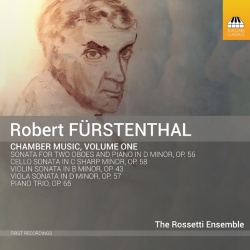
4
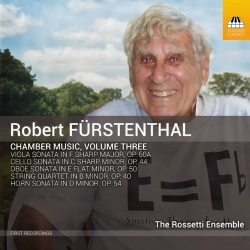
4:25
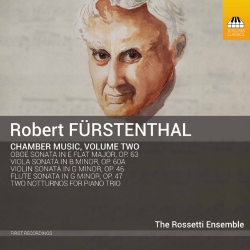
Copyright Ⓒ 2013 Davinci Finger. All rights reseved
Service Terms & Policy