


Vergilio Mortari
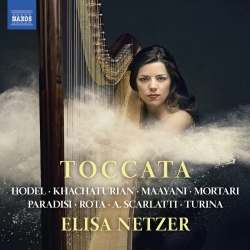
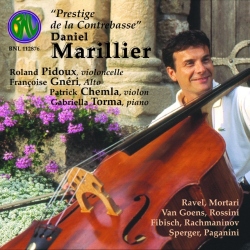
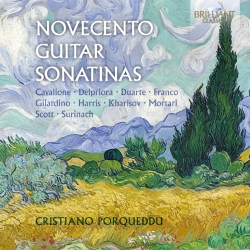
Released Album
Chamber
-
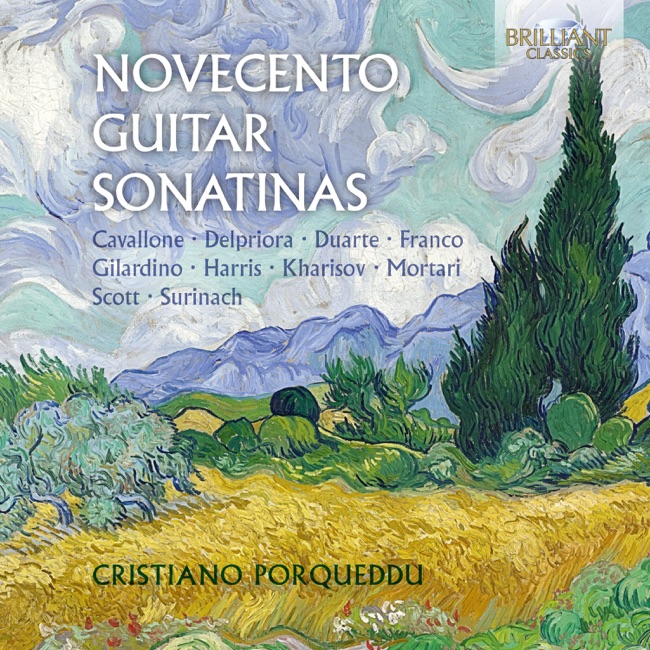 July 5, 2019
 -
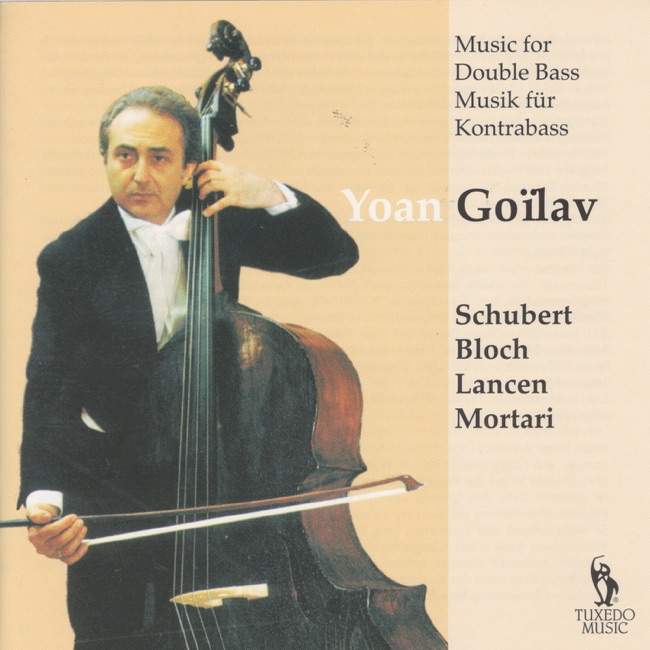 April 24, 2001
 -
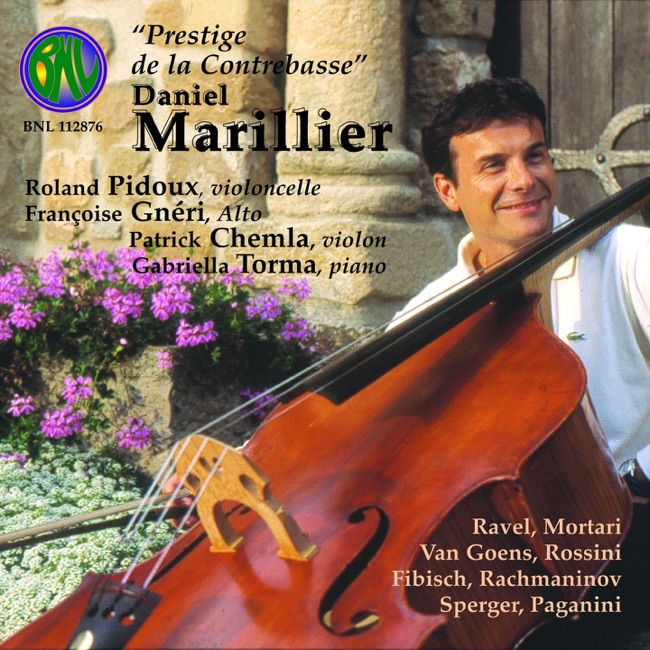
Keyboard
-
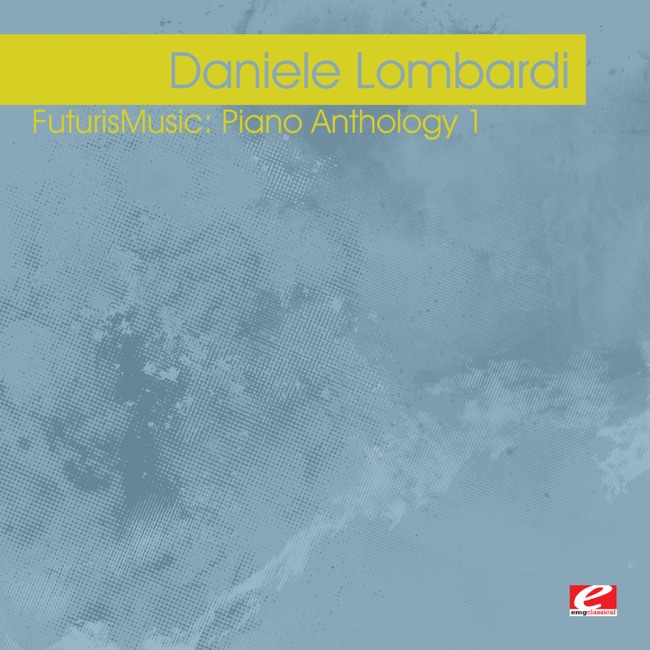 May 15, 2000
Artist Info
Role:ComposerBirth:December 6, 1902Death:September 5, 1993Genre:ChamberOperaVergilio Mortari was an Italian composer and musicologist who was born on January 1, 1918, in the town of Forlì, Italy. He was the son of a music teacher and grew up in a family that was deeply involved in music. From a young age, Mortari showed a great interest in music and began studying the piano and violin. He also showed a talent for composition and began writing his own music at a young age. Mortari's musical education began at the Conservatory of Bologna, where he studied composition with Giacomo Manzoni and musicology with Luigi Ronga. He later studied with the famous Italian composer and conductor, Arturo Toscanini, who had a profound influence on Mortari's musical style. Mortari's early compositions were heavily influenced by the music of the Italian Renaissance and Baroque periods, as well as the music of Bach and Mozart. In 1942, Mortari was drafted into the Italian army and served in North Africa during World War II. After the war, he returned to Italy and resumed his musical studies. He continued to compose music and began to gain recognition for his work. In 1952, he won the prestigious Viotti Prize for his composition, "Concerto for Orchestra." Mortari's music is characterized by its clarity, simplicity, and elegance. He was a master of counterpoint and his compositions often feature intricate and complex harmonies. His music is also known for its use of traditional forms, such as the fugue and the sonata, which he used to great effect in his compositions. One of Mortari's most famous works is his "Concerto for Orchestra," which was written in 1951. The piece is a virtuosic showcase for the orchestra and features a wide range of musical styles and techniques. It is considered one of the greatest works of Italian orchestral music of the 20th century. Another notable work by Mortari is his "String Quartet No. 1," which was written in 1956. The piece is a masterful example of Mortari's use of counterpoint and features intricate and complex harmonies. It is considered one of the greatest works of Italian chamber music of the 20th century. Mortari was also a respected musicologist and wrote extensively on the music of the Italian Renaissance and Baroque periods. His book, "Music in the Age of the Renaissance," is considered a classic of musicology and is still widely read and studied today. In addition to his work as a composer and musicologist, Mortari was also a respected teacher. He taught at the Conservatory of Bologna and the Accademia Nazionale di Santa Cecilia in Rome, where he had a profound influence on a generation of Italian composers. Vergilio Mortari died on December 3, 1993, in Rome, Italy. He left behind a rich legacy of music and scholarship that continues to inspire and influence musicians and music lovers around the world.More....


Copyright Ⓒ 2013 Davinci Finger. All rights reseved
Service Terms & Policy