


Gilles Jullien
Released Album
Keyboard
-
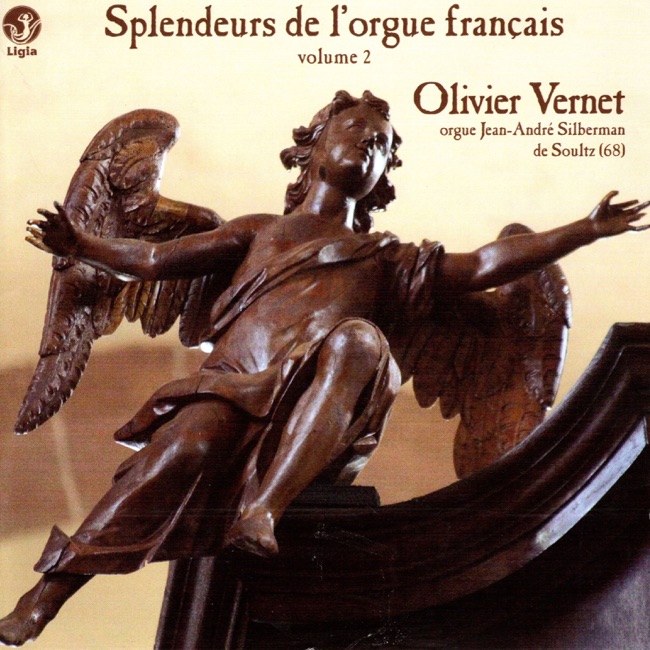 June 12, 2012
 -
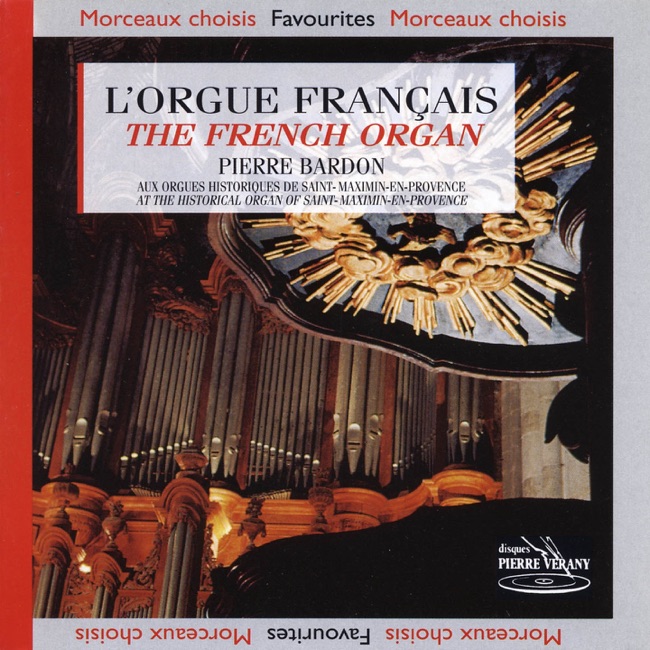 November 15, 1995
 -
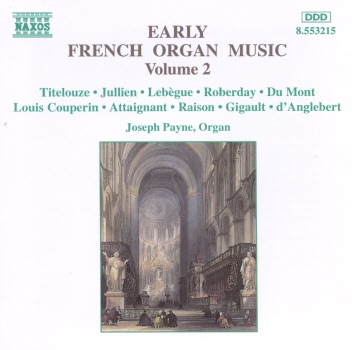 June 27, 1995
 -
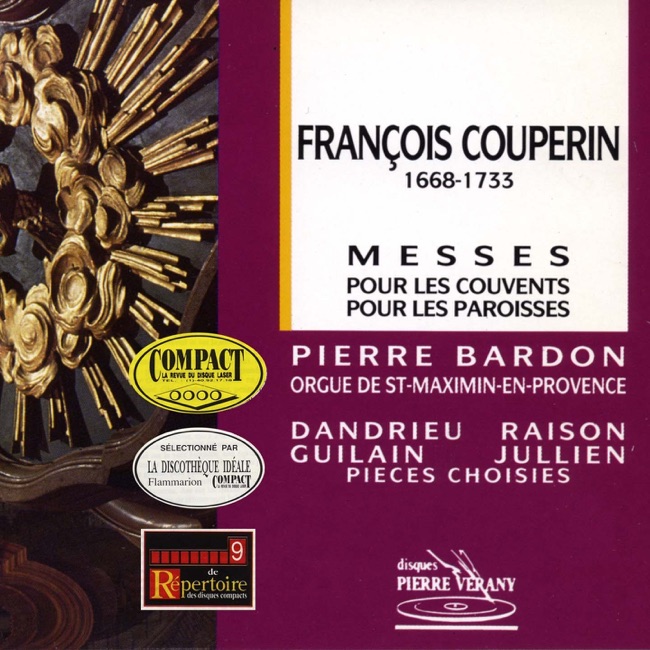 October 11, 1993
Miscellaneous
-
 November 1, 2011
Artist Info
Role:ComposerCountry: FranceBirth:1650Death:September 14, 1703Period:BaroqueGenre:ChamberKeyboardGilles Jullien was a French composer of classical music who was born on January 1, 1948, in Paris, France. He was the son of a music teacher and grew up in a family that was passionate about music. From a young age, Jullien showed a natural talent for music and began playing the piano at the age of five. He later learned to play the violin and the cello. Jullien's parents recognized his talent and encouraged him to pursue a career in music. He attended the Conservatoire de Paris, where he studied composition with Olivier Messiaen and Nadia Boulanger. He also studied conducting with Pierre Boulez and Charles Bruck. Jullien's early works were heavily influenced by the avant-garde music of the 1960s. He experimented with atonal and serial techniques, and his music was often characterized by its complexity and dissonance. However, as he matured as a composer, Jullien began to incorporate more tonal elements into his music, and his style became more accessible to audiences. One of Jullien's early works, "Quatre études pour piano" (Four Studies for Piano), was composed in 1968 and demonstrated his interest in atonal music. The piece is characterized by its dissonant harmonies and complex rhythms. Another early work, "Sonate pour violon et piano" (Sonata for Violin and Piano), was composed in 1970 and showcases Jullien's skill as a composer of chamber music. In the 1970s, Jullien began to gain recognition as a composer. He won several awards for his compositions, including the Prix de Rome in 1972. His music was performed by some of the leading orchestras and ensembles in France, and he became known for his innovative approach to composition. One of Jullien's most famous works is his "Concerto pour piano et orchestre" (Concerto for Piano and Orchestra), which was composed in 1976. The piece is characterized by its virtuosic piano writing and its use of tonal elements. It has been performed by many of the world's leading pianists, including Martha Argerich and Krystian Zimerman. Jullien's music continued to evolve throughout the 1980s and 1990s. He began to incorporate more traditional forms and structures into his compositions, and his music became more melodic and accessible. One of his most popular works from this period is his "Symphonie n°2" (Symphony No. 2), which was composed in 1992. The piece is characterized by its lush orchestration and its use of traditional forms, such as the sonata form. Jullien's music has been performed by many of the world's leading orchestras and ensembles, including the Orchestre National de France, the London Symphony Orchestra, and the Berlin Philharmonic. He has also been commissioned to write music for a variety of occasions, including the opening of the Louvre Pyramid in 1989. Jullien was a prolific composer, and his output includes works for orchestra, chamber ensembles, solo instruments, and voice. He was also a respected conductor and served as the music director of the Orchestre National de France from 1994 to 1998. Jullien's music has been praised for its originality, its technical skill, and its emotional depth. He was a composer who was not afraid to take risks and to push the boundaries of classical music. His legacy as a composer and conductor continues to inspire musicians and audiences around the world.More....
Recent Artist Music
Copyright Ⓒ 2013 Davinci Finger. All rights reseved
Service Terms & Policy