


Martin Schlumpf
Released Album
Chamber
-
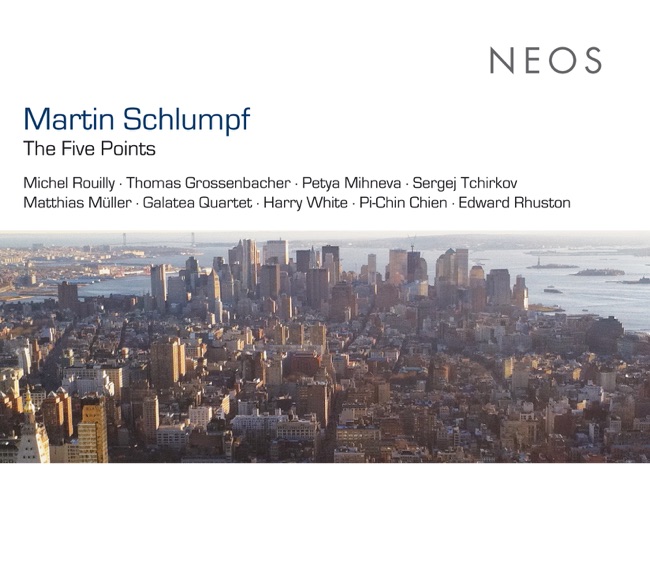 January 22, 2016
 -
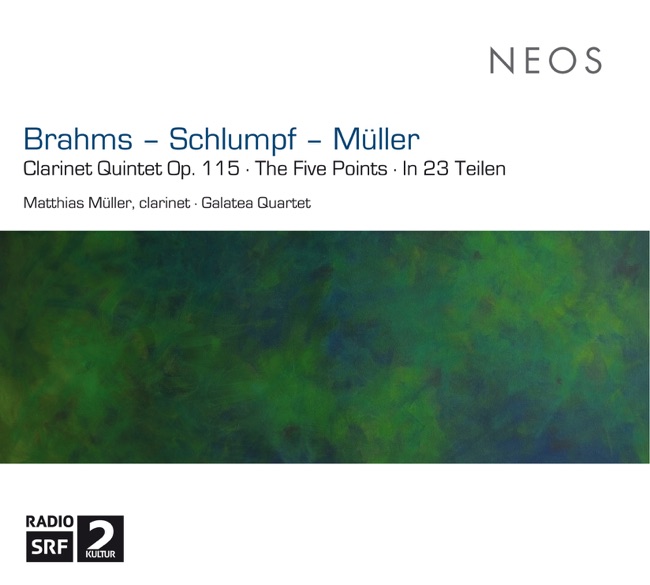
-
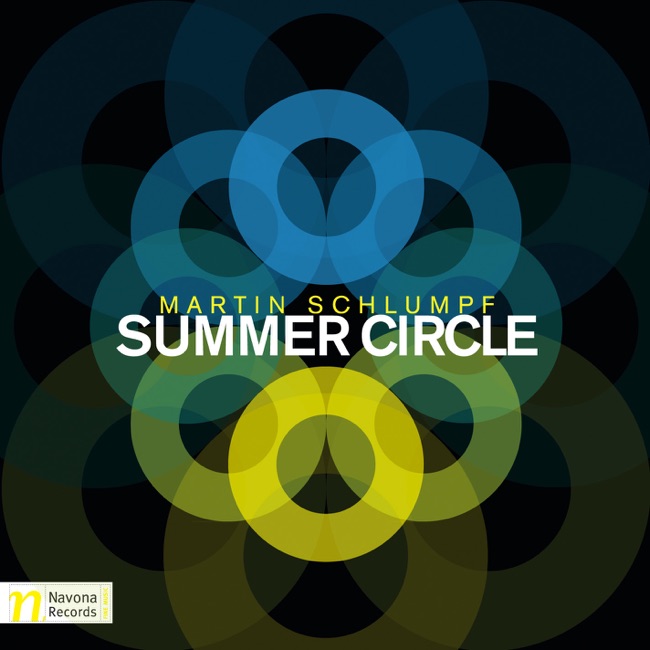 May 1, 2012
Artist Info
Role:ComposerBirth:1947Martin Schlumpf was a Swiss composer born on August 22, 1957, in Zurich, Switzerland. He grew up in a family of musicians, with his father being a pianist and his mother a singer. From a young age, Schlumpf was exposed to classical music and began playing the piano at the age of six. He later went on to study composition at the Zurich University of the Arts, where he received his diploma in 1982. Schlumpf's early works were heavily influenced by the music of the Second Viennese School, particularly the works of Arnold Schoenberg and Anton Webern. His compositions were characterized by their atonal and serialist structures, which were often complex and challenging for both performers and listeners. Despite this, Schlumpf's music was well-received by critics and audiences alike, and he quickly gained a reputation as one of Switzerland's most promising young composers. In the early 1990s, Schlumpf began to move away from the strict serialist techniques of his earlier works and began to incorporate more tonal elements into his music. This shift was partly influenced by his growing interest in the music of the Baroque and Classical periods, as well as his desire to make his music more accessible to a wider audience. Despite this change in style, Schlumpf's music remained highly original and innovative, and he continued to experiment with new techniques and forms throughout his career. One of Schlumpf's most notable works is his Symphony No. 1, which was composed in 1987 and premiered the following year. The symphony is a complex and challenging work, featuring intricate polyphonic textures and a wide range of instrumental colors. Despite its difficulty, the symphony was well-received by critics and established Schlumpf as a major figure in the Swiss classical music scene. Another important work by Schlumpf is his Piano Concerto, which was composed in 1995 and premiered the following year. The concerto is a virtuosic showcase for the soloist, featuring complex rhythms and harmonies that require a high level of technical skill. The work was dedicated to the pianist Andreas Haefliger, who gave the premiere performance and has since become one of Schlumpf's most frequent collaborators. In addition to his orchestral and chamber music works, Schlumpf also composed a number of vocal works, including several operas. One of his most notable vocal works is his opera "The Tempest," which was composed in 2002 and premiered the following year. The opera is based on Shakespeare's play of the same name and features a libretto by the Swiss writer Urs Widmer. The work is characterized by its lush orchestration and dramatic vocal writing, and has been praised for its emotional depth and musical sophistication. Throughout his career, Schlumpf received numerous awards and honors for his contributions to classical music. In 1992, he was awarded the Swiss Music Prize, and in 2007 he was awarded the Prix de la Fondation Vaudoise pour la Culture. He was also a member of the Swiss Academy of Arts and Sciences and served as a professor of composition at the Zurich University of the Arts. Sadly, Martin Schlumpf passed away on December 22, 2016, at the age of 59. Despite his relatively short career, he left behind a rich legacy of innovative and challenging music that continues to inspire and captivate audiences around the world.More....
Recent Artist Music
Copyright Ⓒ 2013 Davinci Finger. All rights reseved
Service Terms & Policy