


Klement Slavicky
Released Album
Chamber
-
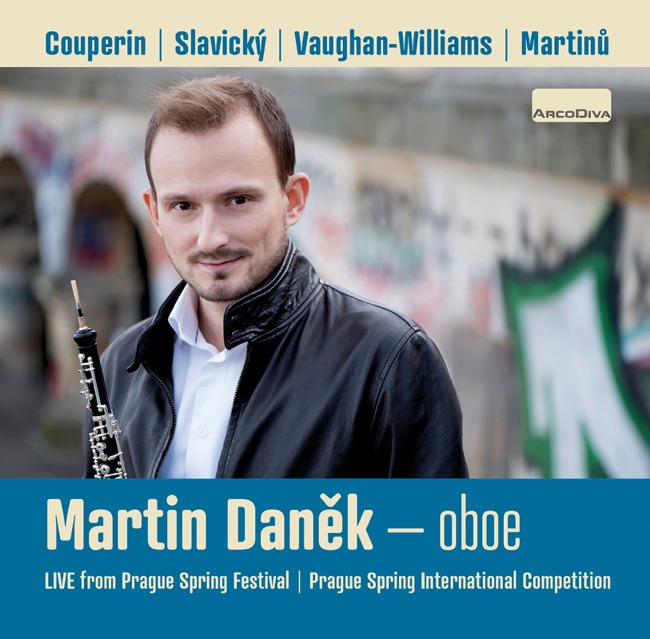 May 20, 2022
 -
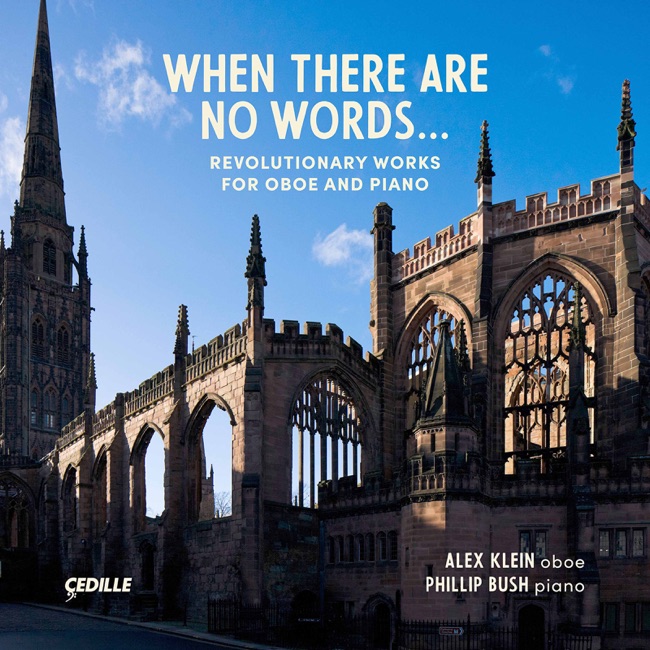
-
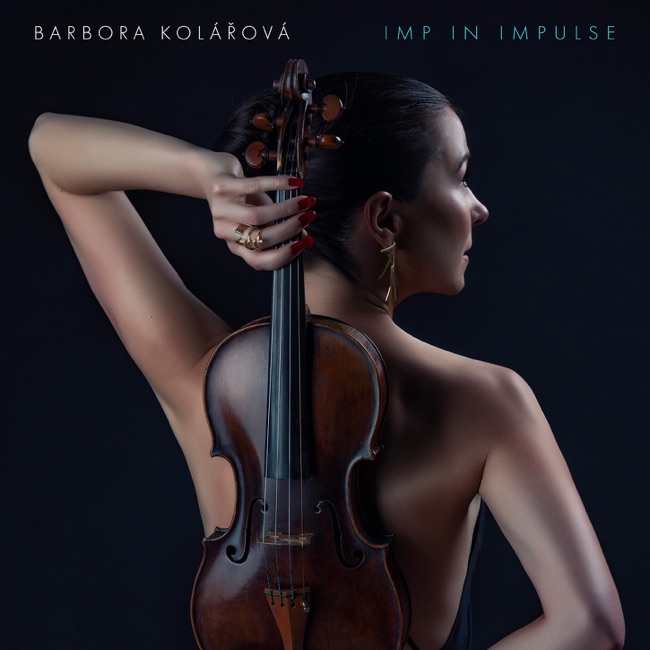 March 6, 2020
 -
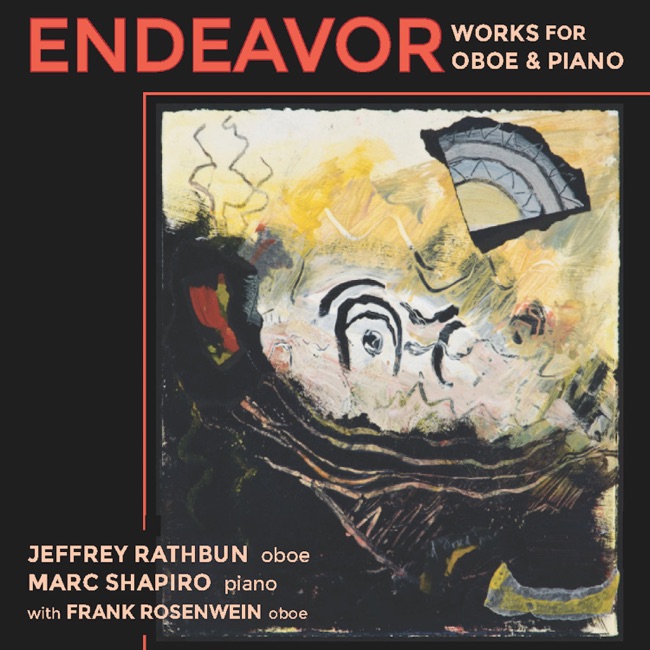 May 3, 2019
 -
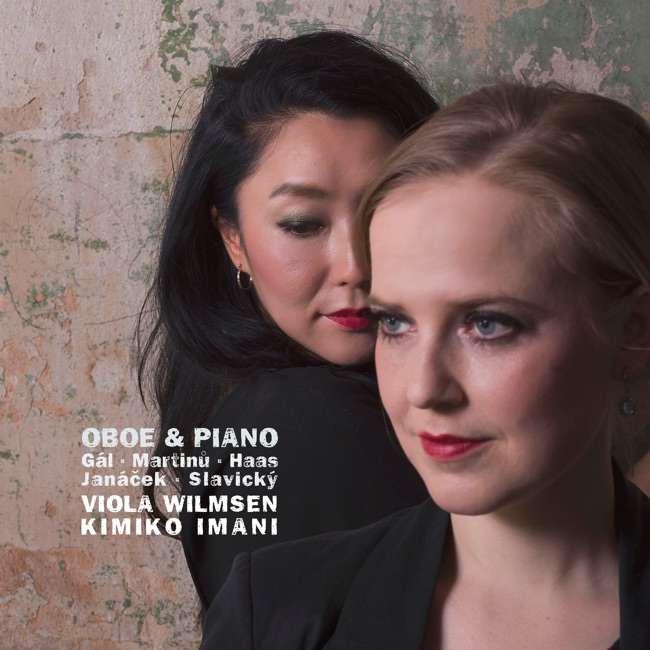 September 29, 2017
 -
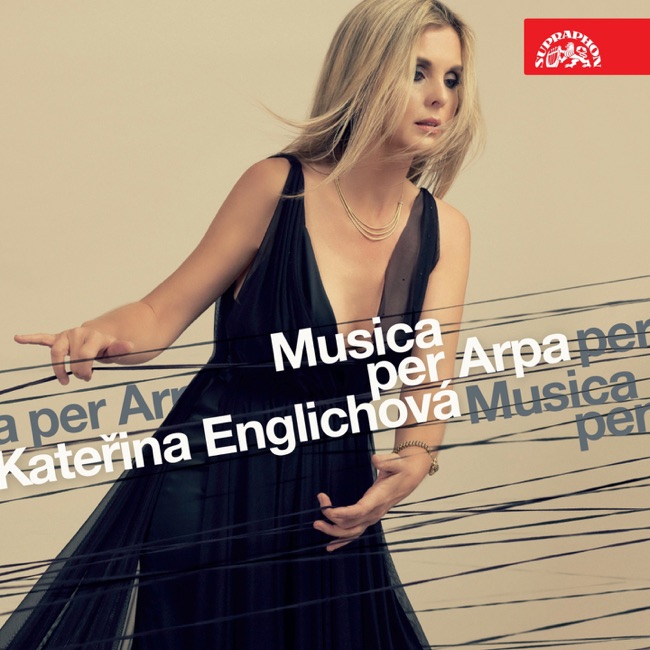 October 23, 2015
Keyboard
-
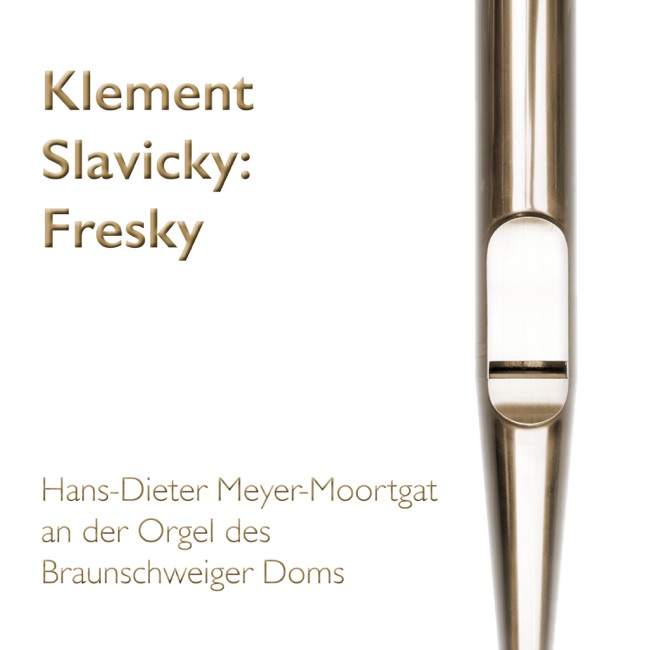 April 12, 2024
 -
 November 11, 2016
 -
 December 3, 2014
 -
 1987
1987
Choral
-
 September 19, 1995
 -
Artist Info
Role:ComposerBirth:September 22, 1910 in TovacoDeath:1999Period:ModernGenre:ChoralKeyboardOrchestralKlement Slavicky was a Czech composer born on September 17, 1910, in the town of Kostelec nad Orlici. He was the youngest of six children in a family of musicians. His father was a choir director and organist, and his mother was a singer. Slavicky's siblings were also involved in music, with his brother becoming a conductor and his sisters becoming singers. Slavicky began his musical education at a young age, studying piano and violin with his father. He later attended the Prague Conservatory, where he studied composition with Alois Haba and Jaroslav Ridky. After completing his studies, Slavicky worked as a music teacher and conductor in various towns in the Czech Republic. In the 1930s, Slavicky became interested in the music of Arnold Schoenberg and other composers associated with the Second Viennese School. He began experimenting with atonal and serial techniques in his own compositions, but he also maintained a strong connection to Czech folk music and traditional forms. During World War II, Slavicky was drafted into the Czech army and served as a bandmaster. After the war, he returned to his career as a composer and teacher. He taught at the Prague Conservatory and the Academy of Performing Arts in Prague, where he influenced a generation of Czech composers. Slavicky's music is characterized by its lyricism, clarity, and emotional depth. He often used folk melodies and rhythms in his compositions, but he also incorporated modernist techniques such as serialism and aleatoric music. His works include symphonies, concertos, chamber music, and vocal music. One of Slavicky's most famous works is his Symphony No. 1, which he composed in 1947. The symphony is in three movements and features a mix of traditional and modernist elements. The first movement is based on a Czech folk song, while the second movement is a slow, introspective meditation. The third movement is a lively dance that incorporates elements of jazz and popular music. Another notable work by Slavicky is his Concerto for Piano and Orchestra, which he composed in 1953. The concerto is in three movements and features a virtuosic piano part that showcases Slavicky's skill as a pianist. The first movement is a lively, rhythmic dance, while the second movement is a slow, lyrical meditation. The third movement is a fast, energetic finale that brings the concerto to a thrilling conclusion. Slavicky also composed a number of chamber works, including string quartets, sonatas for various instruments, and a wind quintet. His String Quartet No. 1, composed in 1946, is a particularly notable work. The quartet is in four movements and features a mix of traditional and modernist elements. The first movement is a lively dance, while the second movement is a slow, introspective meditation. The third movement is a fast, energetic scherzo, and the fourth movement is a lively dance that incorporates elements of Czech folk music. In addition to his instrumental works, Slavicky also composed a number of vocal works, including choral music and art songs. His choral works often feature texts by Czech poets, and his art songs are known for their lyrical melodies and emotional depth. Slavicky continued to compose and teach until his death on August 28, 1999, in Prague. He is remembered as one of the most important Czech composers of the 20th century, and his music continues to be performed and recorded today.More....
Recent Artist Music
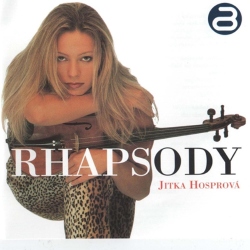
2
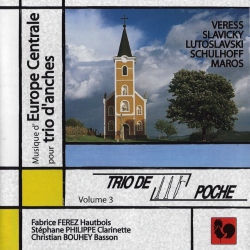
3:6
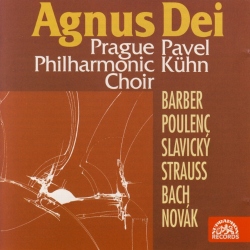
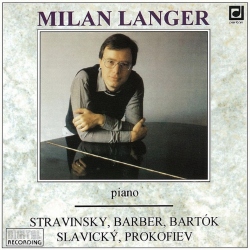
Copyright Ⓒ 2013 Davinci Finger. All rights reseved
Service Terms & Policy