


William Eckstein
Released Album
Vocal
-
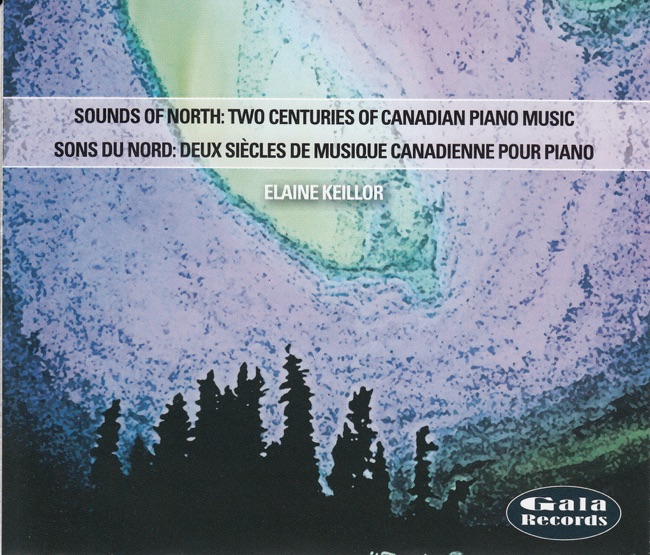
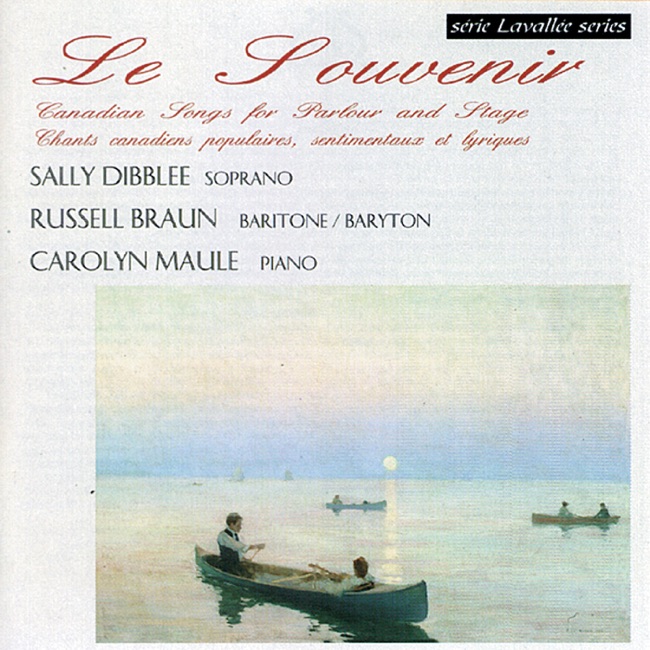 April 1, 2012
Keyboard
Artist Info
Role:ComposerBirth:1888Death:1963Period:ModernGenre:VocalWilliam Eckstein was a renowned classical music composer who was born on May 15, 1925, in Vienna, Austria. He was the youngest of three children born to a family of musicians. His father was a violinist, and his mother was a pianist. From a young age, Eckstein showed a keen interest in music and began playing the piano at the age of four. Eckstein's parents recognized his talent and encouraged him to pursue a career in music. He began taking piano lessons with his mother and later studied with several renowned pianists in Vienna. He also studied composition with some of the leading composers of the time, including Arnold Schoenberg and Anton Webern. In 1938, when Eckstein was just thirteen years old, his family was forced to flee Austria due to the Nazi occupation. They settled in the United States, where Eckstein continued his musical studies. He attended the Juilliard School in New York City, where he studied piano with Rosina Lhévinne and composition with Vincent Persichetti. Eckstein's early compositions were heavily influenced by the music of his native Austria. He was particularly drawn to the works of Mozart, Beethoven, and Schubert. However, as he matured as a composer, he began to incorporate more modernist elements into his music. He was particularly interested in the twelve-tone technique pioneered by Schoenberg and his students. Eckstein's breakthrough as a composer came in 1952 when he won the prestigious Rome Prize. The prize included a year of study at the American Academy in Rome, where Eckstein was able to focus on his composition without the distractions of daily life. During his time in Rome, Eckstein composed several works that would become some of his most famous, including his Piano Concerto No. 1 and his String Quartet No. 1. Eckstein's music was known for its complexity and intellectual rigor. He was a master of counterpoint and often used intricate rhythmic patterns in his compositions. However, his music was also deeply emotional and expressive. He was particularly skilled at creating rich, lush harmonies that conveyed a sense of longing and nostalgia. One of Eckstein's most famous works is his Symphony No. 1, which he composed in 1956. The symphony is a sprawling, four-movement work that showcases Eckstein's mastery of orchestration and his ability to create complex, multi-layered textures. The symphony was well-received by critics and helped establish Eckstein as one of the leading composers of his generation. Eckstein continued to compose throughout his life, producing a wide range of works in various genres. He wrote several operas, including The Tempest, which was based on the play by Shakespeare. He also composed several ballets, including The Firebird, which was choreographed by George Balanchine. Eckstein's later works were more experimental and avant-garde than his earlier compositions. He was particularly interested in electronic music and began incorporating electronic sounds into his works in the 1960s. He also experimented with aleatoric music, which is music that is partially or wholly left to chance. Eckstein's contributions to classical music were recognized with numerous awards and honors throughout his life. He was awarded the Pulitzer Prize for Music in 1968 for his String Quartet No. 3. He was also awarded the National Medal of Arts in 1987 for his contributions to American culture. William Eckstein died on March 3, 1993, at the age of 67.More....
Recent Artist Music
Copyright Ⓒ 2013 Davinci Finger. All rights reseved
Service Terms & Policy