


Donald Francis Tovey
Released Album
Chamber
-
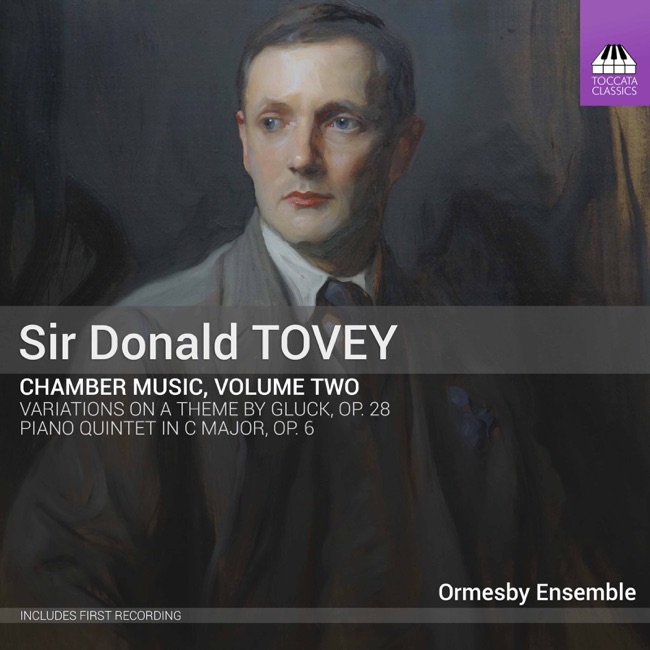 September 1, 2017
 -
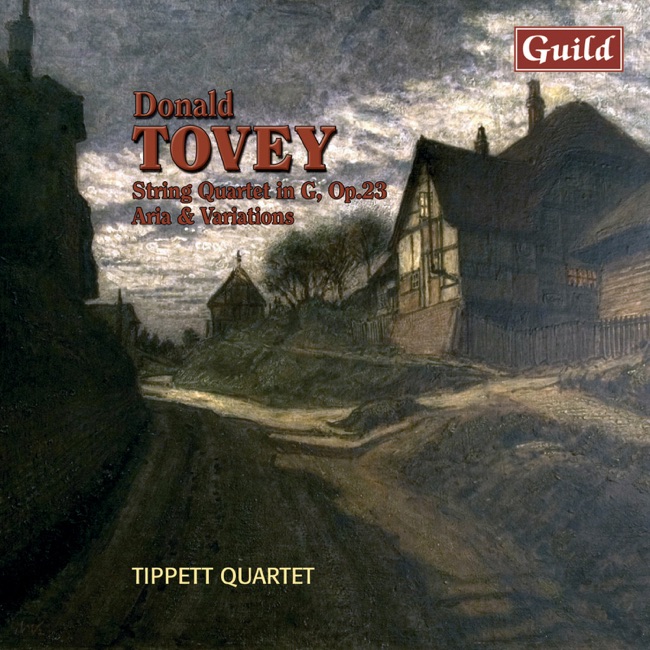 November 9, 2010
 -
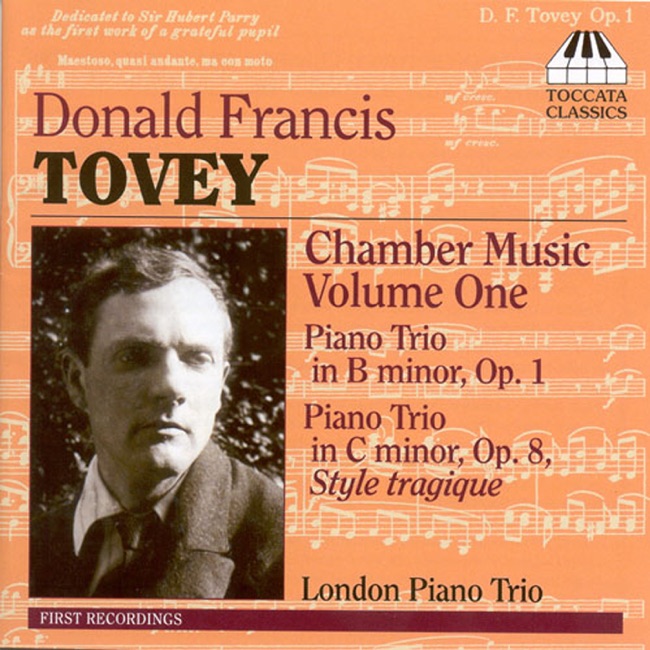 October 14, 2008
 -
 June 17, 2008
 -
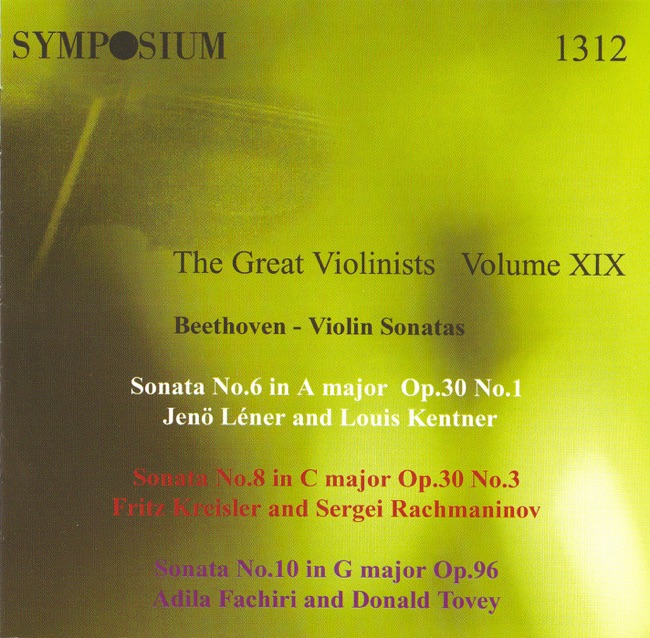 February 16, 2004
Concerto
-
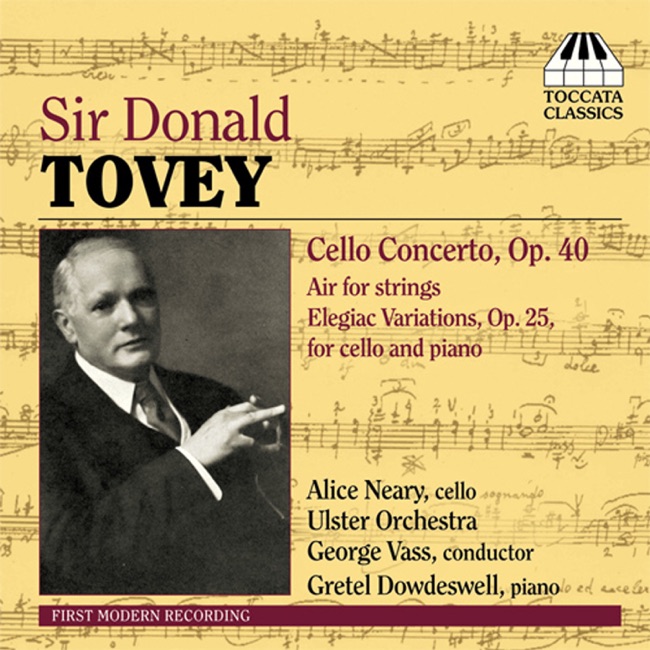 January 9, 2007
Symphony
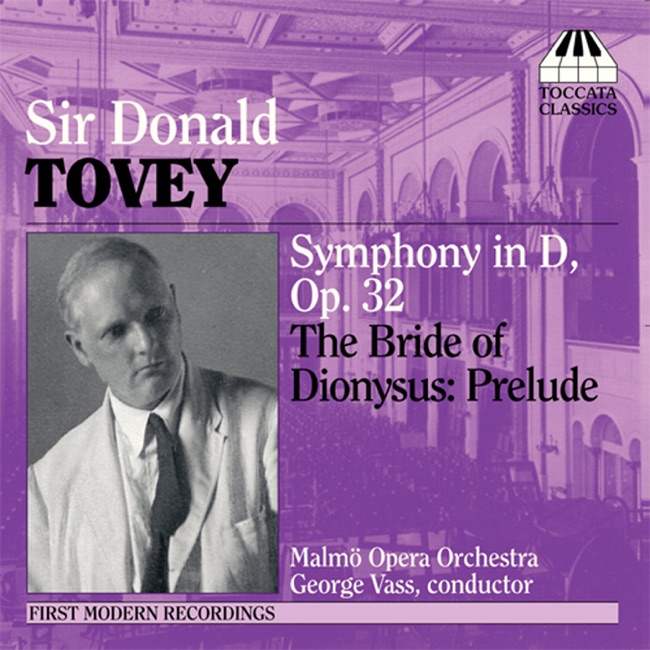
Artist Info
Role:Composer ConductorCountry: United KingdomBirth:July 17, 1875 in Eton, Buckinghamshire, EnglandDeath:July 10, 1940 in Edinburgh, ScotlandPeriod:RomanticGenre:ChamberConcertoDonald Francis Tovey was a British composer, pianist, and musicologist who was born on July 17, 1875, in Eton, England. He was the son of a Scottish Presbyterian minister, and his mother was a talented amateur pianist. Tovey showed an early interest in music and began playing the piano at the age of three. He received his first formal music lessons from his mother and later studied with a local organist. In 1890, Tovey entered the Royal Academy of Music in London, where he studied piano with Tobias Matthay and composition with Frederick Corder. He was a gifted student and won several prizes for his compositions. After graduating from the academy in 1894, Tovey embarked on a career as a concert pianist and composer. Tovey's early compositions were influenced by the Romantic style of the late 19th century, but he soon developed his own distinctive voice. His music was characterized by its harmonic complexity, rhythmic vitality, and emotional intensity. Tovey was also a skilled pianist and often performed his own works in concert. In addition to his career as a composer and performer, Tovey was also a respected musicologist. He wrote extensively on music theory, history, and analysis, and his books and articles are still widely read today. Tovey was particularly interested in the music of the Baroque and Classical periods, and he was a strong advocate for the performance of early music on period instruments. One of Tovey's most significant contributions to music scholarship was his edition of Bach's "Goldberg Variations." Tovey's edition, which was published in 1931, was the first to include detailed analysis and commentary on the work. Tovey's insights into the structure and meaning of the "Goldberg Variations" have been highly influential and have helped to establish the work as one of the greatest masterpieces of Western music. Tovey's own compositions include works for piano, chamber ensembles, and orchestra. One of his most famous works is the "Piano Concerto in A major," which he composed in 1918. The concerto is a virtuosic showcase for the soloist and features Tovey's characteristic harmonic richness and rhythmic vitality. The work has been praised for its originality and has become a staple of the piano concerto repertoire. Another notable work by Tovey is his "Symphony in D," which he composed in 1913. The symphony is a large-scale work that showcases Tovey's skill as an orchestrator. The work is notable for its use of complex polyrhythms and its innovative use of harmony. Tovey's music was well-received during his lifetime, and he was widely regarded as one of the leading composers of his generation. However, his music fell out of favor after his death in 1940, and it is only in recent years that his works have begun to receive renewed attention. Despite his contributions to music scholarship and his achievements as a composer, Tovey is perhaps best remembered for his role as a music educator. He was a professor of music at the University of Edinburgh from 1914 until his death, and he was a highly influential teacher. Many of his students went on to become successful composers, performers, and musicologists in their own right. In conclusion, Donald Francis Tovey was a highly accomplished musician who made significant contributions to the fields of composition, performance, and music scholarship.More....
Recent Artist Music
4
5:46
7
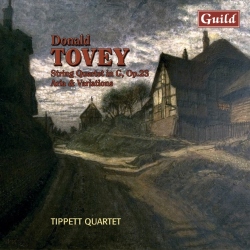
Aria & Variations in B flat major, Op. 11
Aria & Variations in B flat major for String Quartet, Op. 11
32:12
8
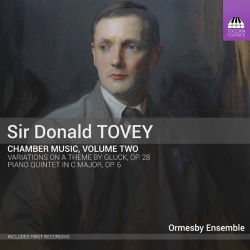
Variations on a theme of Gluck for flute & string quartet, Op 28
Tema: Andante espressivo alla Siciliana; non troppo lento -
1:48
Copyright Ⓒ 2013 Davinci Finger. All rights reseved
Service Terms & Policy