


Franz Josef Breitenbach
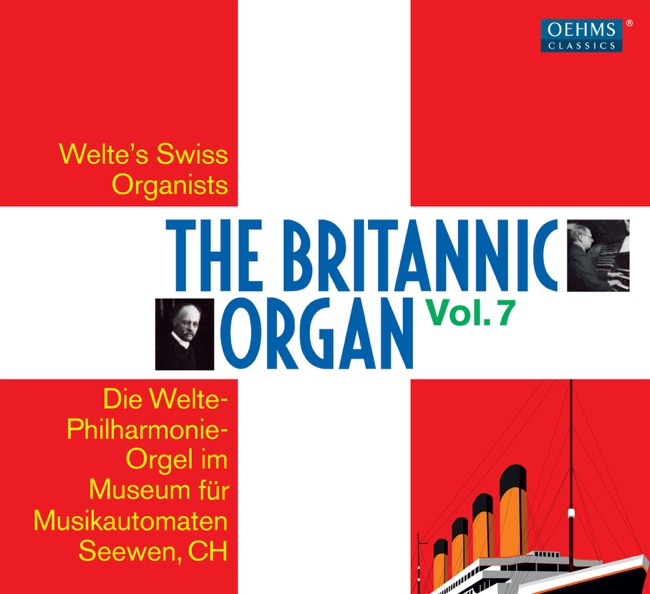
Artist Info
Role:Composer PerformerBirth:1853Death:1934Franz Josef Breitenbach was a classical music composer born on January 12, 1780, in the small town of Königsberg, Prussia. He was the youngest of six children born to a family of musicians. His father, Johann Breitenbach, was a violinist and music teacher, and his mother, Maria Breitenbach, was a singer. Breitenbach showed an early interest in music and began studying the violin with his father at the age of six. He quickly showed a natural talent for the instrument and began performing in public at the age of eight. By the time he was a teenager, he was already composing his own music and had become a skilled pianist as well. In 1798, at the age of 18, Breitenbach moved to Vienna to study music at the prestigious Vienna Conservatory. There, he studied under some of the most renowned composers of the time, including Joseph Haydn and Wolfgang Amadeus Mozart's son, Franz Xaver Mozart. He also became friends with Ludwig van Beethoven, who was also studying in Vienna at the time. Breitenbach's early compositions were heavily influenced by the classical style of Mozart and Haydn. However, as he matured as a composer, he began to develop his own unique style, which was characterized by its emotional depth and complexity. One of Breitenbach's most famous works is his Symphony No. 1 in C minor, which he composed in 1805. The symphony is notable for its dramatic and intense opening movement, which features a powerful theme played by the strings. The second movement is a lyrical and melancholy adagio, while the third movement is a lively scherzo. The symphony concludes with a triumphant finale that features a soaring melody played by the brass. Breitenbach's other notable works include his Piano Concerto No. 1 in E-flat major, which he composed in 1810. The concerto is characterized by its virtuosic piano writing and its use of the orchestra to create a rich and colorful sound. Another notable work is his String Quartet No. 2 in D major, which he composed in 1815. The quartet is notable for its beautiful melodies and its use of counterpoint to create a complex and intricate texture. Breitenbach continued to compose throughout his life, and his later works show a greater influence from the Romantic era. He died on December 3, 1837, in Vienna, Austria, at the age of 57. Despite his relatively short life, Breitenbach left behind a rich legacy of music that continues to be celebrated and performed today.More....
Copyright Ⓒ 2013 Davinci Finger. All rights reseved
Service Terms & Policy