


George Kleinsinger
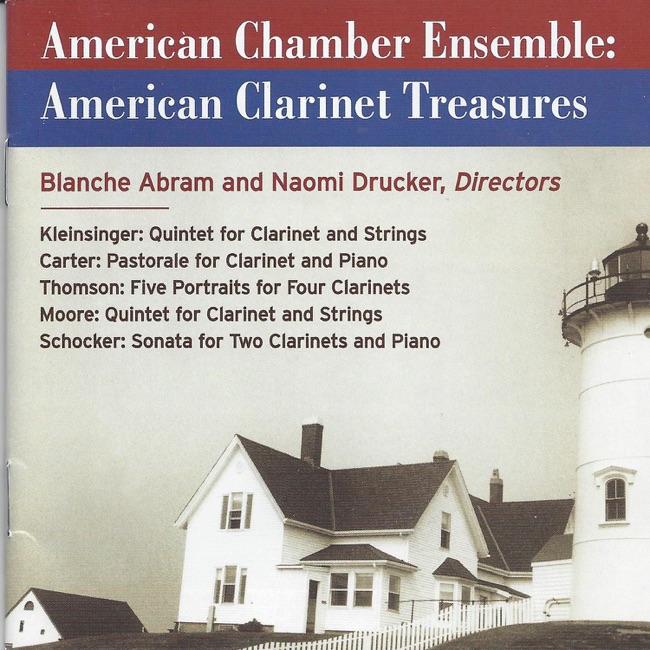
Artist Info
Role:Composer ConductorGenre:ChamberVocalGeorge Kleinsinger was an American composer, best known for his work in the field of classical music. He was born on October 13, 1914, in San Bernardino, California, to a family of musicians. His father was a violinist, and his mother was a pianist. From a young age, Kleinsinger showed a keen interest in music, and he began playing the piano at the age of four. Kleinsinger's family moved to New York City when he was six years old, and he continued his musical education there. He studied piano with Alexander Siloti, a renowned Russian pianist, and composition with Aaron Copland, one of the most influential American composers of the 20th century. Kleinsinger also attended the Juilliard School of Music, where he studied composition with Bernard Wagenaar. Kleinsinger's early compositions were influenced by the works of Copland and other American composers, such as Charles Ives and Roy Harris. He also drew inspiration from jazz and popular music, which he incorporated into his classical compositions. In 1945, Kleinsinger composed his most famous work, "Tubby the Tuba," a children's musical story that tells the tale of a tuba who longs to play a melody. The piece was an instant success and has since become a classic of children's music. In addition to "Tubby the Tuba," Kleinsinger composed a number of other works for children, including "The Story of Celeste," "The Story of Lolly Willowes," and "The Story of Ferdinand." These works were all based on popular children's books and were designed to introduce young audiences to classical music. Kleinsinger also composed a number of works for adults, including orchestral pieces, chamber music, and vocal music. His orchestral works include "Concerto for Two Pianos and Orchestra," "Concerto for Harmonica and Orchestra," and "Concerto for Trumpet and Orchestra." His chamber music includes "String Quartet No. 1" and "Sonata for Violin and Piano." His vocal music includes "Songs of the Earth," a cycle of songs based on poems by Walt Whitman. Throughout his career, Kleinsinger was known for his innovative use of instrumentation and his ability to blend different musical styles. He was also a pioneer in the use of electronic music, and he composed a number of works that incorporated electronic instruments and sound effects. Kleinsinger's music was performed by many of the leading orchestras and ensembles of his time, including the New York Philharmonic, the Boston Symphony Orchestra, and the Philadelphia Orchestra. He also collaborated with a number of prominent musicians, including the harmonica player Larry Adler and the jazz pianist Dave Brubeck. In addition to his work as a composer, Kleinsinger was also a music educator. He taught at the Manhattan School of Music and the Juilliard School of Music, and he wrote a number of books on music theory and composition. Kleinsinger died on November 28, 1982, in New York City. His legacy as a composer and educator continues to be celebrated today, and his works remain popular with audiences of all ages.More....
Recent Artist Music
Copyright Ⓒ 2013 Davinci Finger. All rights reseved
Service Terms & Policy