


Bruno Giner
Released Album
Chamber
-
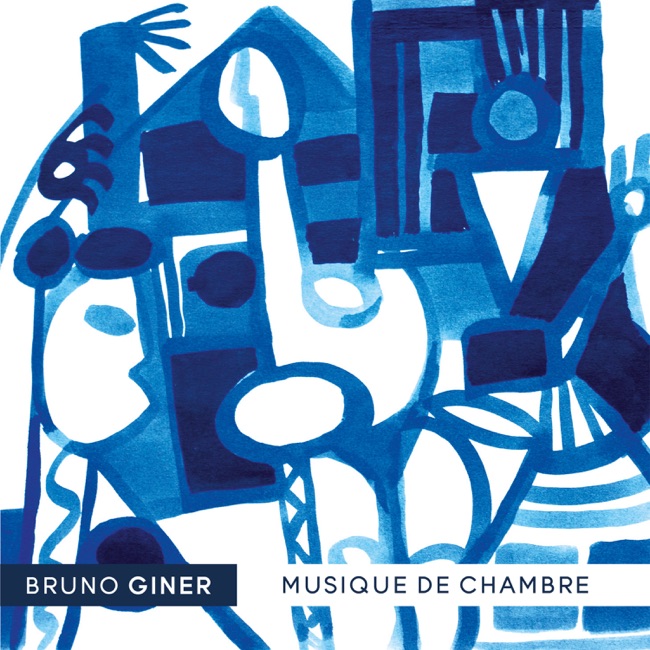 June 8, 2018
 -
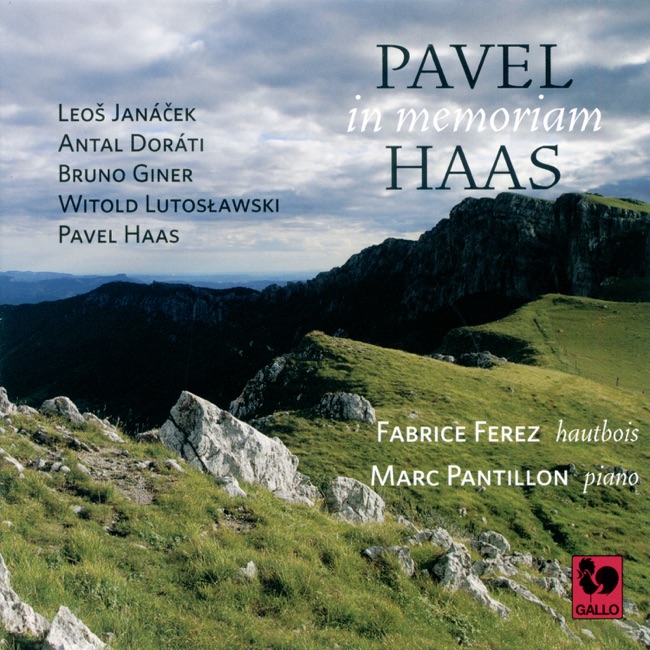 July 15, 2015
 -
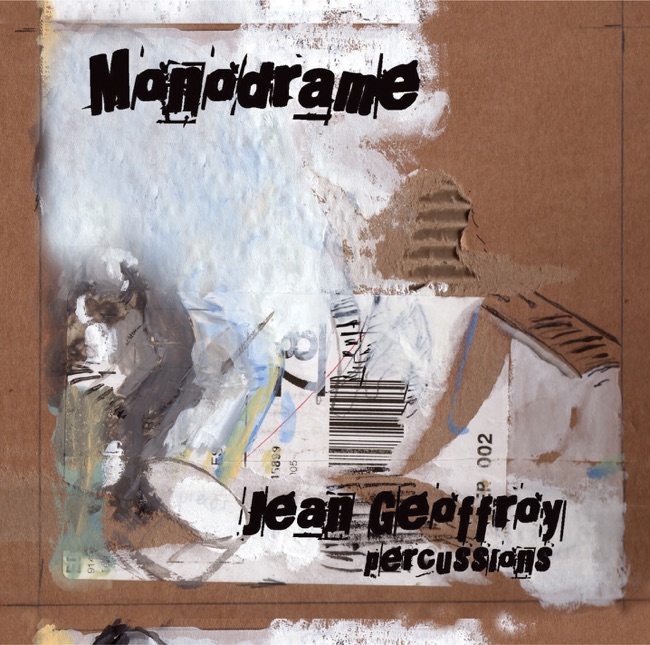 December 26, 2006
Artist Info
Role:ComposerBirth:November 13, 1960Period:ContemporaryGenre:ChamberBruno Giner is a contemporary classical music composer who was born on December 22, 1960, in Paris, France. He grew up in a family of musicians, with his father being a composer and his mother a pianist. Giner started playing the piano at a young age and later learned to play the guitar and the trumpet. He studied music at the Conservatoire National Supérieur de Musique et de Danse de Paris, where he earned a degree in composition. Giner's early works were influenced by the music of the Second Viennese School, particularly the works of Arnold Schoenberg and Anton Webern. He also drew inspiration from the music of Olivier Messiaen and Pierre Boulez. Giner's compositions are characterized by their complex harmonies, intricate rhythms, and use of extended techniques. One of Giner's early works is his String Quartet No. 1, which he composed in 1985. The piece is in four movements and features dissonant harmonies and angular melodies. The quartet was well-received and helped establish Giner as a promising young composer. In the 1990s, Giner began to incorporate elements of jazz and rock music into his compositions. He also started to experiment with electronic music and computer-generated sounds. One of his most notable works from this period is his Concerto for Electric Guitar and Orchestra, which he composed in 1996. The piece features a solo electric guitar accompanied by a large orchestra. The concerto is a fusion of classical and rock music, with the guitar playing virtuosic solos over a backdrop of lush orchestration. Giner's music continued to evolve in the 2000s, with a greater emphasis on melody and tonality. He also began to incorporate elements of world music into his compositions, particularly the music of India and the Middle East. One of his most acclaimed works from this period is his Symphony No. 2, which he composed in 2005. The symphony is in four movements and features a large orchestra and choir. The piece is a tribute to the victims of the 2004 Indian Ocean earthquake and tsunami and incorporates elements of Indian classical music. In addition to his work as a composer, Giner is also a respected music educator. He has taught at several institutions, including the Conservatoire National de Région de Boulogne-Billancourt and the Conservatoire à Rayonnement Régional de Paris. He has also given masterclasses and workshops around the world. Giner's music has been performed by some of the world's leading orchestras and ensembles, including the Orchestre National de France, the London Symphony Orchestra, and the Ensemble Intercontemporain. He has received numerous awards and honors for his work, including the Prix de Rome in 1988 and the Grand Prix de la SACEM in 2010. In conclusion, Bruno Giner is a contemporary classical music composer who has made significant contributions to the genre. His music is characterized by its complexity, innovation, and fusion of different musical styles. Giner's works have been performed around the world and have earned him numerous accolades. He continues to be an important figure in the world of classical music and a respected educator and mentor to young composers.More....
Recent Artist Music

Copyright Ⓒ 2013 Davinci Finger. All rights reseved
Service Terms & Policy