


Andrew Sparrow
Released Album
Orchestral
-
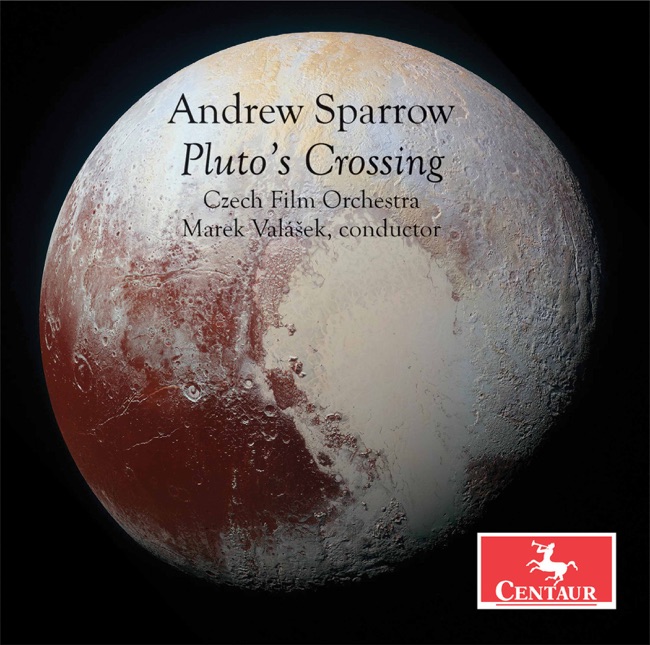 March 19, 2021
 -
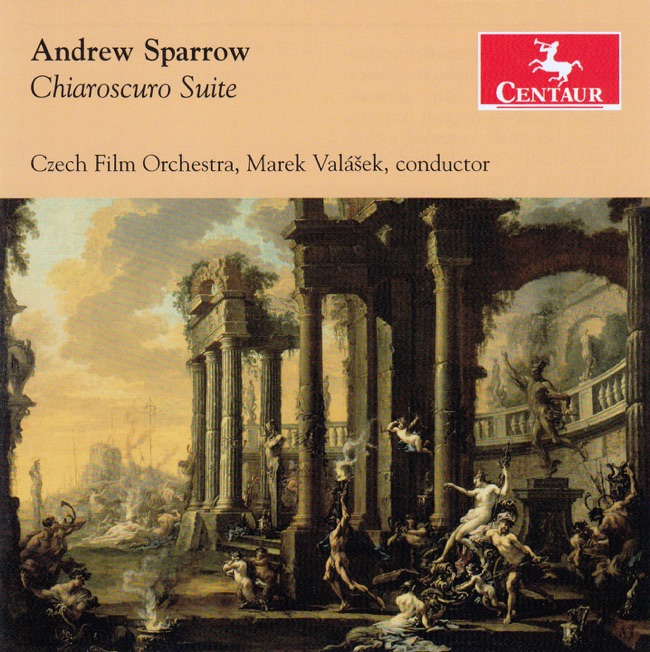 September 11, 2015
Artist Info
Role:ComposerAndrew Sparrow was born on May 12, 1965, in London, England. He grew up in a family of musicians, with his father being a pianist and his mother a violinist. From a young age, Sparrow showed a keen interest in music and began playing the piano at the age of four. He later learned to play the violin and the cello. Sparrow attended the Royal Academy of Music in London, where he studied composition under the tutelage of renowned composer John Tavener. During his time at the academy, Sparrow developed a deep appreciation for the works of Bach, Mozart, and Beethoven, which would later influence his own compositions. After graduating from the academy, Sparrow began working as a freelance composer, writing music for film, television, and theater productions. He also began composing classical music, which he would later become known for. Sparrow's early works were heavily influenced by the Baroque and Classical periods, with his compositions featuring intricate melodies and complex harmonies. His first major work, a string quartet titled "Quartet in D Major," was well-received by critics and established him as a promising young composer. In the years that followed, Sparrow continued to compose classical music, with his works becoming increasingly experimental and avant-garde. He began incorporating elements of jazz and rock music into his compositions, which drew criticism from some traditionalists but also earned him a new following among younger audiences. One of Sparrow's most notable works is his Symphony No. 1, which was composed in 1995. The symphony is a complex and ambitious work, featuring a large orchestra and a choir. It is divided into four movements, each of which explores a different theme or emotion. The symphony was praised for its innovative use of orchestration and its emotional depth. Another notable work by Sparrow is his opera "The Tempest," which was composed in 2001. The opera is based on the play by William Shakespeare and features a libretto by the renowned playwright Tom Stoppard. The opera was praised for its inventive use of music and its faithful adaptation of the original play. Sparrow's later works continued to push the boundaries of classical music, with his compositions becoming increasingly experimental and abstract. He began incorporating electronic music into his works, as well as elements of world music and avant-garde jazz. Despite his experimental approach, Sparrow remained committed to the traditional values of classical music, and his works were always grounded in a deep understanding of the history and traditions of the genre. He was known for his meticulous attention to detail and his ability to create complex and intricate compositions that were both intellectually stimulating and emotionally powerful. Sparrow continued to compose music until his death in 2018 at the age of 53. His legacy as a composer is one of innovation, experimentation, and a deep respect for the traditions of classical music. His works continue to be performed and studied by musicians and music lovers around the world, and he remains one of the most influential composers of his generation.More....

Recommend Playlist



Copyright Ⓒ 2013 Davinci Finger. All rights reseved
Service Terms & Policy