


Wilhelm Killmayer
Released Album
Vocal
-
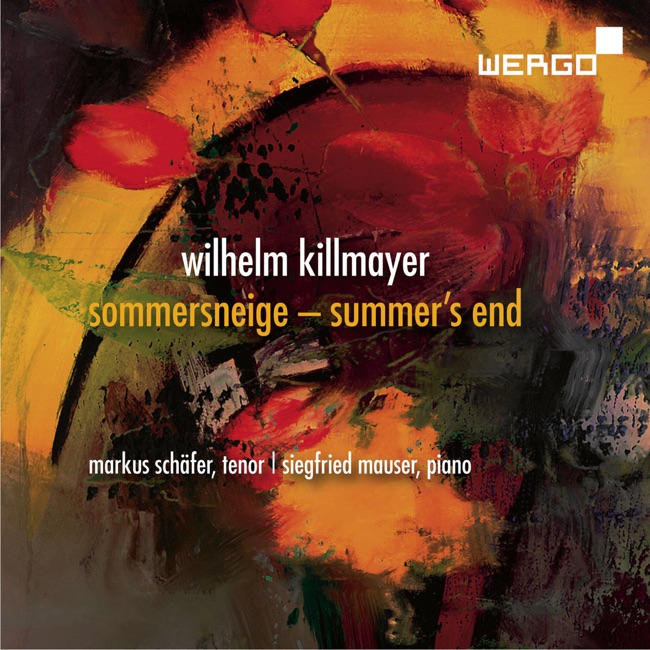 September 29, 2017
 -
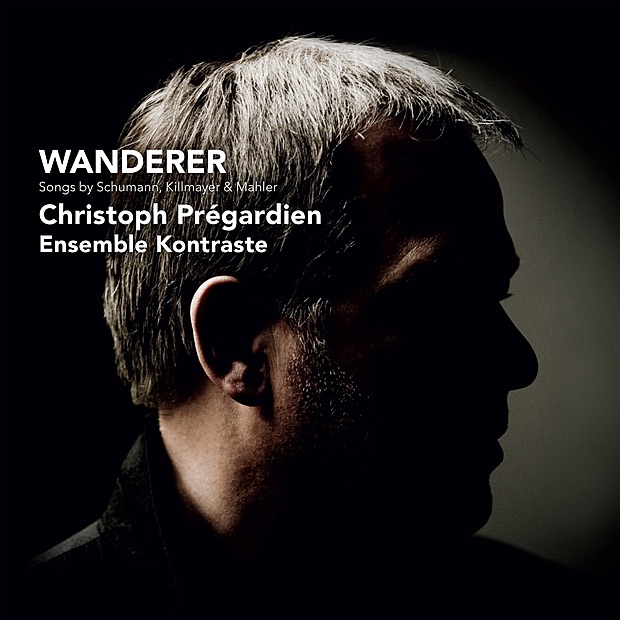 October 24, 2011
 -
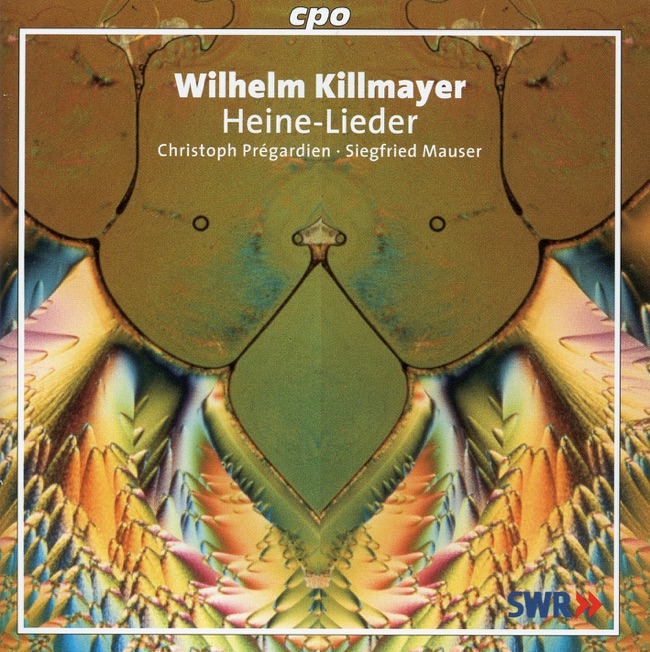 November 1, 2002
 -
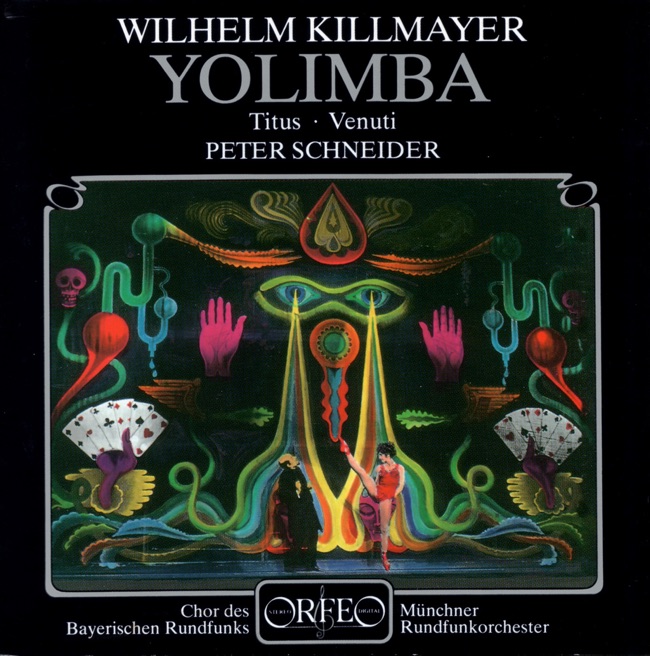 December 12, 1995
Chamber
-
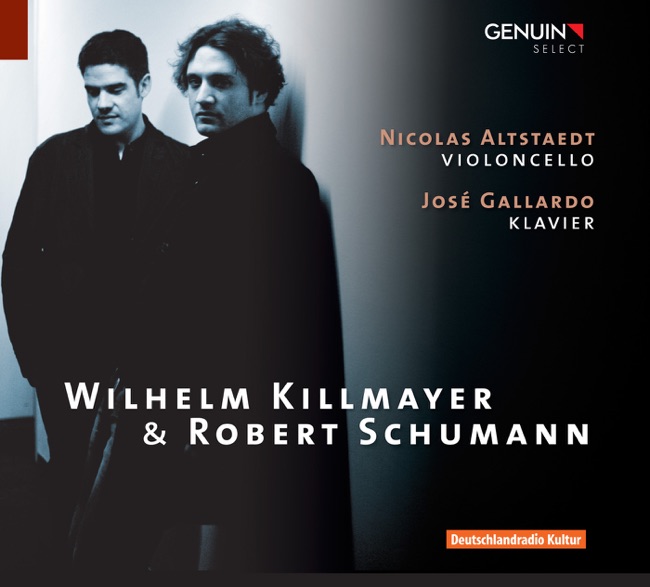 October 1, 2010
 -
 September 14, 2010
 -
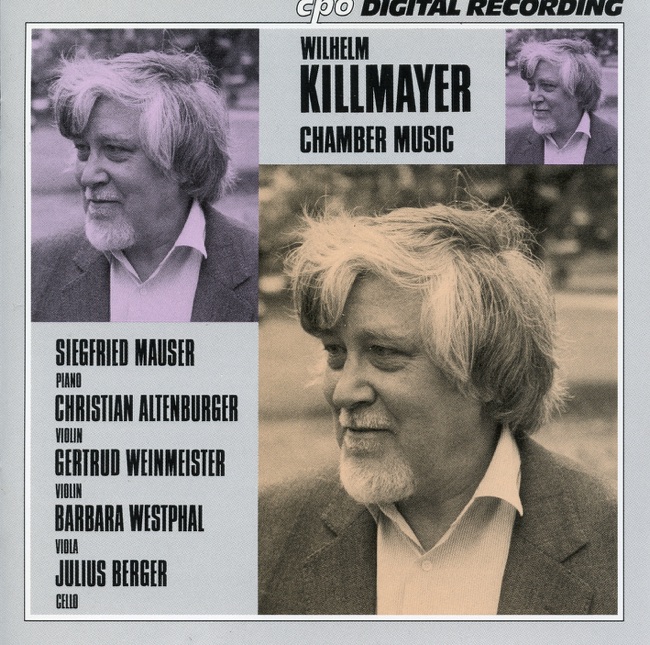 June 27, 2004
 -
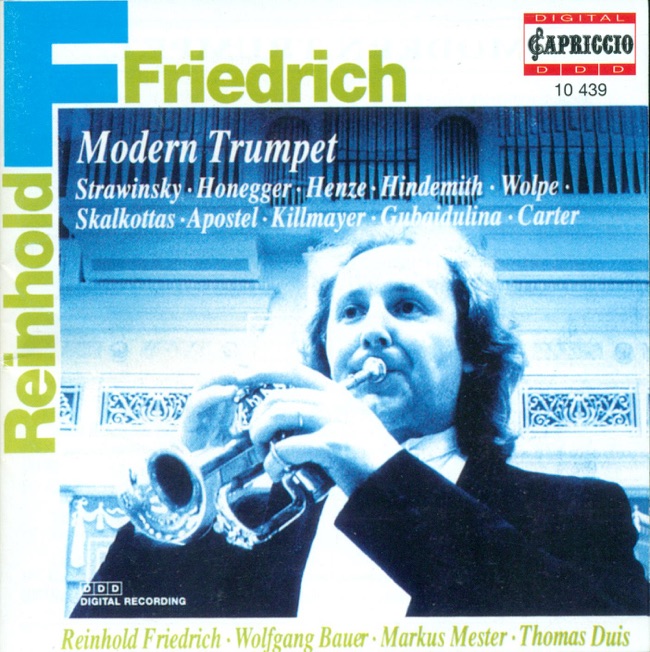 April 16, 1995
Keyboard
-
 August 5, 2016
Choral
-
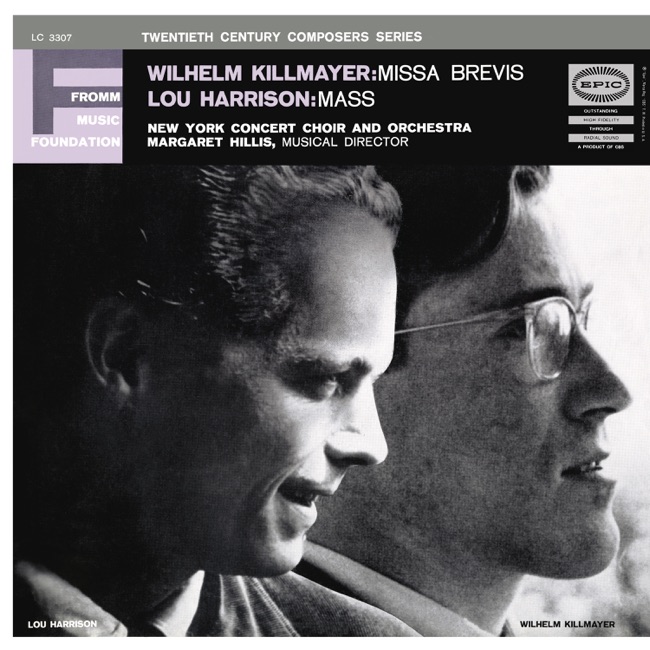 April 24, 2020
 -
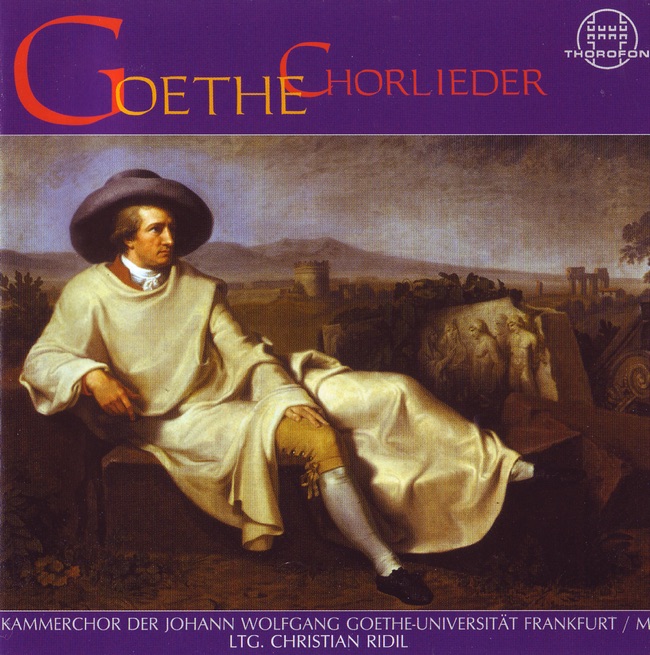 August 19, 2008
Artist Info
Role:ComposerCountry: GermanyBirth:August 21, 1927 in Munich, GermanyPeriod:ContemporaryGenre:ChamberConcertoVocalWilhelm Killmayer was a German composer who was born on August 21, 1927, in Munich, Germany. He was the son of a music teacher and grew up in a musical family. His father was a violinist and his mother was a pianist. Killmayer began playing the piano at a young age and showed a talent for music early on. Killmayer studied music at the Munich Academy of Music from 1946 to 1951. He studied composition with Joseph Haas and conducting with Georg Ludwig Jochum. After completing his studies, Killmayer worked as a freelance composer and conductor. He also taught music theory and composition at the Munich Academy of Music from 1960 to 1968. Killmayer's early works were influenced by the music of Anton Webern and Arnold Schoenberg. He was also interested in the music of the Second Viennese School and the music of the Renaissance and Baroque periods. Killmayer's music is characterized by its complexity and its use of dissonance and unconventional harmonies. One of Killmayer's early works is his String Quartet No. 1, which he composed in 1952. The piece is a twelve-tone composition that is divided into four movements. The quartet is notable for its use of unconventional harmonies and its complex rhythms. In the 1960s, Killmayer began to experiment with new forms and techniques. He was interested in the music of John Cage and the Fluxus movement. Killmayer's music during this period became more experimental and included elements of chance and improvisation. One of Killmayer's most famous works is his opera "Der Jüngste Tag" (The Last Judgment), which he composed in 1971. The opera is based on a play by Ödön von Horváth and tells the story of a man who is accused of a crime he did not commit. The opera is notable for its use of unconventional vocal techniques and its complex orchestration. Killmayer continued to compose throughout his life and his later works were characterized by their simplicity and clarity. He was interested in the music of the Baroque period and his later works often included elements of Baroque music. One of Killmayer's later works is his "Musik für Streicher" (Music for Strings), which he composed in 2001. The piece is a simple and elegant composition that is reminiscent of the music of the Baroque period. The piece is notable for its use of counterpoint and its clear and transparent textures. Killmayer was a prolific composer who wrote music in a variety of genres. He composed orchestral works, chamber music, vocal music, and operas. His music is characterized by its complexity and its use of unconventional harmonies and rhythms. Killmayer was also a respected conductor and he conducted many of his own works. He was a champion of contemporary music and he worked to promote the music of other contemporary composers. Killmayer received many awards and honors during his lifetime. He was awarded the Bavarian Order of Merit in 1987 and the Ernst von Siemens Music Prize in 1992. He was also awarded the Order of Merit of the Federal Republic of Germany in 1997. Wilhelm Killmayer died on August 20, 2017, in Munich, Germany. He was 89 years old. Killmayer's music continues to be performed and recorded today and he is remembered as one of the most important composers of the 20th century.More....
Recent Artist Music
7
4:26

Copyright Ⓒ 2013 Davinci Finger. All rights reseved
Service Terms & Policy