


Percy Sherwood
Released Album
Keyboard
-
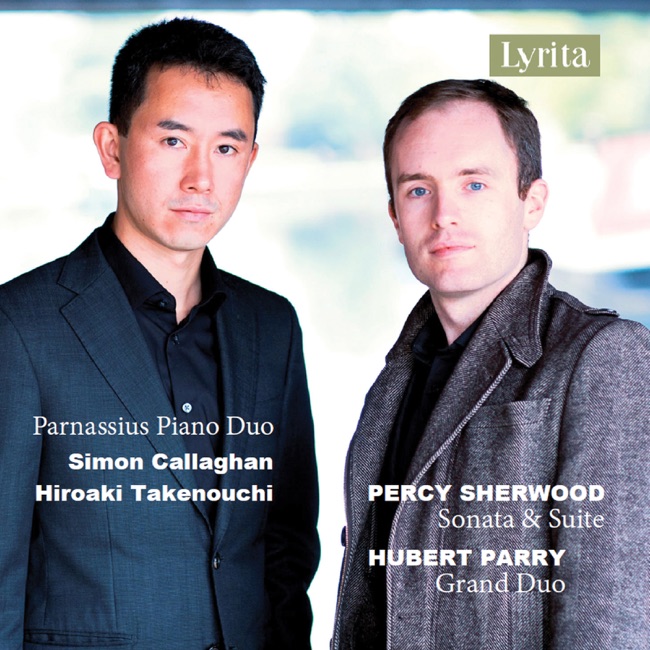 February 1, 2019
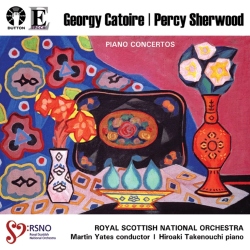
Concerto
-
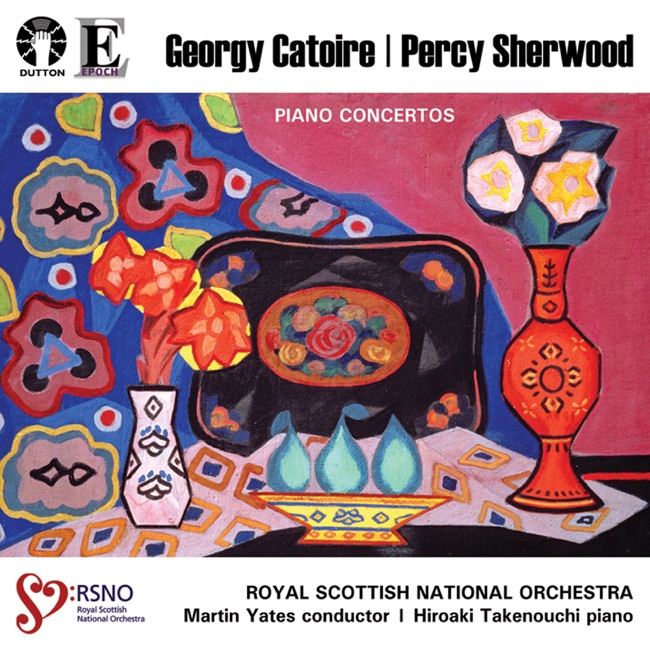 May 1, 2012
Chamber
-
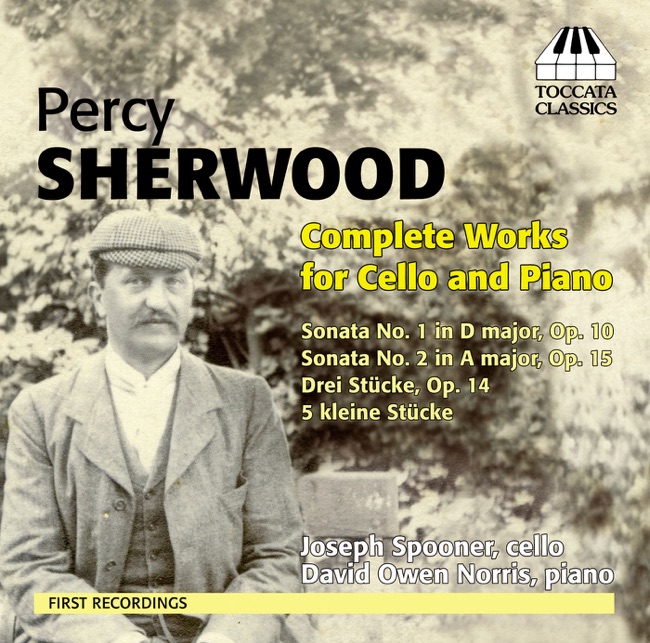 June 25, 2012
Artist Info
Role:ComposerBirth:1866 in Dresden, GermanyDeath:1939Percy Sherwood was a British composer and pianist who lived from 1866 to 1939. He was born in London to a family of musicians, and his father was a well-known organist and composer. Sherwood began his musical education at a young age, studying piano with his father and later with Tobias Matthay, a prominent piano teacher of the time. Sherwood's early compositions were influenced by the Romantic style of the late 19th century, and he was particularly drawn to the music of Chopin and Liszt. He began to gain recognition as a composer in the early 1890s, when his Piano Concerto No. 1 was performed at the Crystal Palace in London. The concerto was well-received, and it helped to establish Sherwood as a composer to watch. Over the next few years, Sherwood continued to compose and perform, and he became known for his virtuosic piano playing as well as his compositions. In 1895, he was appointed as a professor of piano at the Royal Academy of Music in London, a position he held for many years. Sherwood's compositions from this period include a number of piano works, such as his Piano Sonata No. 1 and his set of Six Pieces for Piano. He also wrote several orchestral works, including his Symphony No. 1 and his Suite for Orchestra. In the early 1900s, Sherwood's style began to evolve, and he became interested in the music of Debussy and Ravel. He began to incorporate elements of impressionism into his own compositions, and his music became more harmonically complex and less overtly Romantic. One of Sherwood's most famous works from this period is his Piano Concerto No. 2, which was premiered in 1914. The concerto is notable for its use of impressionistic harmonies and its virtuosic piano writing. It remains one of Sherwood's most popular works to this day. During World War I, Sherwood served in the British Army, and his experiences during the war had a profound impact on his music. He became interested in the music of Eastern Europe and the Middle East, and he began to incorporate elements of these musical traditions into his own compositions. One of Sherwood's most famous works from this period is his Symphony No. 2, which was premiered in 1921. The symphony is notable for its use of Eastern European folk melodies and its evocative orchestration. In addition to his compositions, Sherwood was also a respected musicologist and critic. He wrote extensively on the music of his contemporaries, and he was particularly interested in the music of Debussy and Ravel. Sherwood's later years were marked by declining health, and he was forced to retire from his position at the Royal Academy of Music in 1931. He continued to compose, however, and his final works include his String Quartet No. 2 and his Piano Trio. Today, Sherwood is remembered as one of the most important British composers of the early 20th century. His music is characterized by its virtuosity, its harmonic complexity, and its incorporation of diverse musical traditions. While he may not be as well-known as some of his contemporaries, such as Elgar or Vaughan Williams, his contributions to the world of classical music are significant and enduring.More....
Recent Artist Music
2
14:42




Copyright Ⓒ 2013 Davinci Finger. All rights reseved
Service Terms & Policy