


Gaucelm Faidit
Released Album
Vocal
-
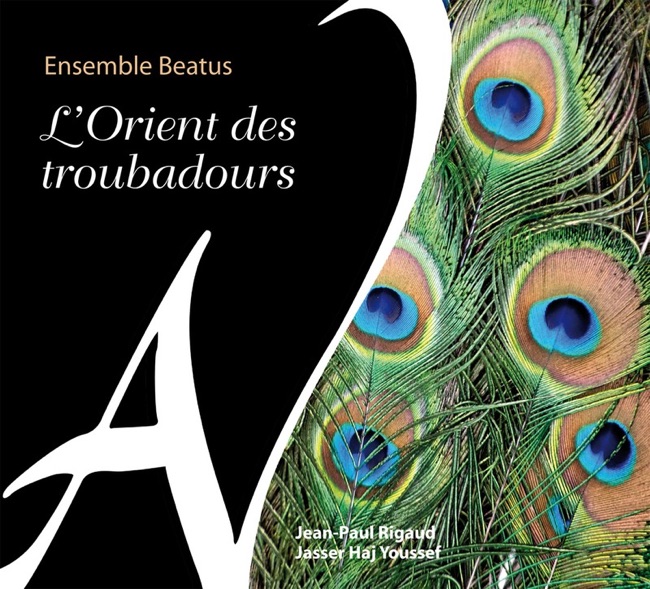 May 10, 2011
 -
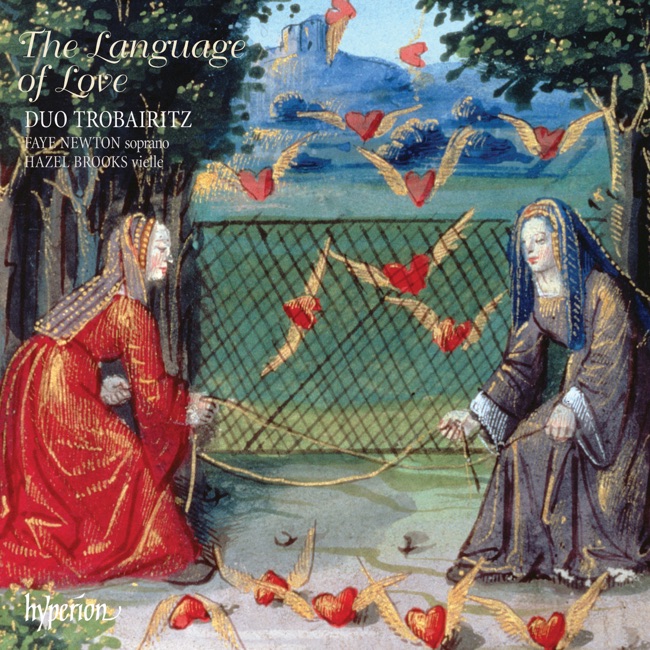 June 4, 2007
Chamber
-
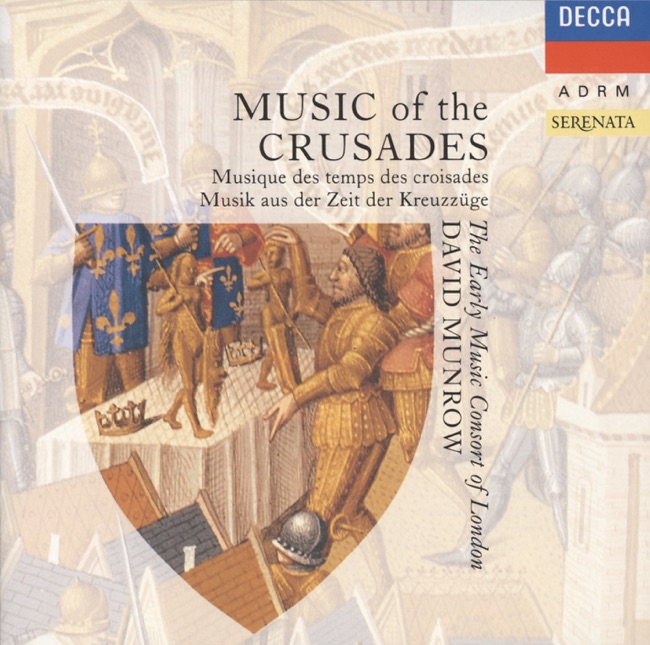 April 5, 1991
Artist Info
Role:ComposerCountry: FranceBirth:ca. 1170Death:ca. 1202Period:MedievalGenre:ChamberVocalGaucelm Faidit was a troubadour and composer of the 12th century, born in the region of Toulouse, France. He was a member of the nobility and was known for his poetic and musical talents. Faidit was one of the most famous troubadours of his time, and his works have been preserved in manuscripts from the 13th and 14th centuries. Faidit was born into a family of troubadours, and his father, Peire d'Alvernhe, was also a well-known troubadour. Faidit grew up in a musical environment and was trained in the art of poetry and music from a young age. He was educated in the courtly arts of chivalry, poetry, and music, and he quickly became known for his talents in these areas. Faidit's musical career began in the court of the Count of Toulouse, where he served as a court musician and poet. He composed many songs and poems for the court, and his works were highly regarded by the nobility. Faidit's music was characterized by its melodic and rhythmic complexity, and his lyrics were often romantic and idealistic. Faidit's most famous work is his song "Fortz chausa es que tot lo mon senha," which translates to "It is a great pity that the whole world knows it." This song is a lament for the loss of the city of Jerusalem to the Muslims during the Crusades. The song is notable for its complex melody and its use of the trobar clus, a poetic form that was popular among troubadours in the 12th century. Faidit's other works include love songs, political songs, and songs about chivalry and courtly life. His music was highly influential in the development of the troubadour tradition, and his works were widely copied and imitated by other troubadours. Faidit's music was also notable for its use of the Occitan language, which was the language of the troubadours. Occitan was a Romance language that was spoken in the south of France, and it was the language of the troubadours until the 14th century. Faidit's use of Occitan helped to establish it as a literary language, and his works were instrumental in the development of Occitan literature. Faidit's music was also notable for its use of musical notation. Faidit was one of the first troubadours to use musical notation in his works, and his use of notation helped to establish a standard for musical notation in the troubadour tradition. Faidit's music was highly regarded during his lifetime, and his works were widely copied and imitated by other troubadours. His influence on the troubadour tradition was significant, and his works helped to establish the troubadour tradition as a major literary and musical movement in medieval Europe. Faidit's legacy continued after his death, and his works were preserved in manuscripts from the 13th and 14th centuries. His music continued to be performed and copied by troubadours and other musicians, and his influence on the troubadour tradition continued to be felt for centuries. In conclusion, Gaucelm Faidit was a troubadour and composer of the 12th century who was known for his poetic and musical talents. He was born into a family of troubadours and was trained in the art of poetry and music from a young age. Faidit's music was highly influential in the development of the troubadour tradition, and his works helped to establish the troubadour tradition as a major literary and musical movement in medieval Europe. His legacy continues to be felt today, and his works are still performed and studied by musicians and scholars around the world.More....
Recent Artist Music

Copyright Ⓒ 2013 Davinci Finger. All rights reseved
Service Terms & Policy