


Johann Erasmus Kindermann
Released Album
Chamber
-
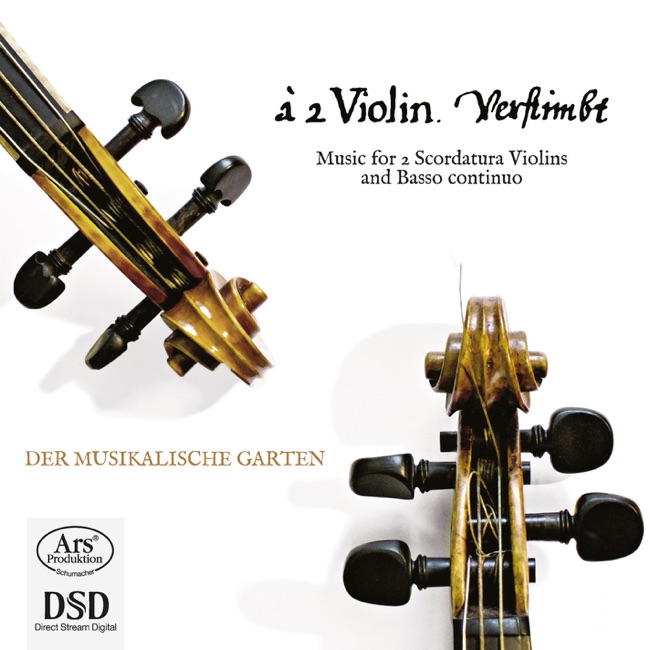 August 26, 2014
 -
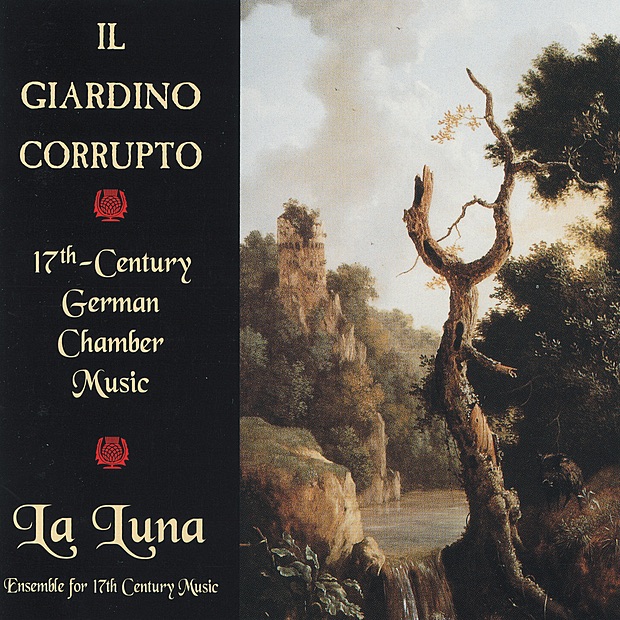 October 30, 2001
 -
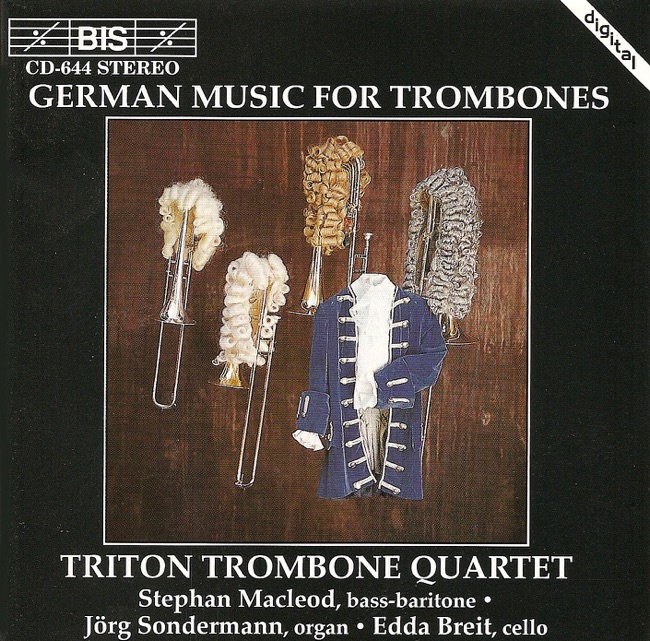 October 14, 1994
Artist Info
Role:ComposerCountry: GermanyBirth:March 29, 1616Death:April 14, 1655Period:BaroqueGenre:ChamberChoralKeyboardJohann Erasmus Kindermann was a German composer and musician who lived during the Baroque period. He was born on March 16, 1616, in Nuremberg, Germany, to a family of musicians. His father, Johann Kindermann, was a well-known organist and composer, and his mother, Anna Maria, was a singer. Kindermann showed an early interest in music and began his musical education at a young age. He studied with his father and other local musicians, and by the age of 14, he was already an accomplished organist. He continued his studies in music theory and composition, and in 1635, he was appointed as the organist at St. Sebaldus Church in Nuremberg. During his time at St. Sebaldus Church, Kindermann composed a number of works for the organ, including preludes, fugues, and chorale settings. He also wrote music for the church choir, including motets and cantatas. His music was well-received, and he became known as one of the leading composers in Nuremberg. In 1641, Kindermann left Nuremberg to study music in Italy. He spent several years in Venice, where he studied with the famous composer and organist Giovanni Gabrieli. While in Italy, Kindermann was exposed to the latest musical styles and techniques, and he incorporated these into his own compositions. After returning to Germany, Kindermann continued to compose music for the church and for secular occasions. He wrote a number of operas, including "Die schöne Galathea" and "Die verliebte Venus," which were performed in Nuremberg and other cities. He also wrote instrumental music, including sonatas and suites for various instruments. One of Kindermann's most famous works is his "Musicalische Seelenlust," a collection of chorale preludes for the organ. The collection contains 98 pieces, each based on a different hymn tune. The preludes are notable for their inventive harmonies and virtuosic organ writing, and they remain popular with organists today. Kindermann was also known for his skill as an improviser. He was often called upon to improvise on a given theme or melody, and his improvisations were said to be both technically impressive and musically satisfying. In addition to his musical activities, Kindermann was also involved in the civic life of Nuremberg. He served as a member of the city council and was involved in various cultural and educational organizations. Kindermann died on April 14, 1655, in Nuremberg, at the age of 39. Despite his relatively short life, he left behind a significant body of work that continues to be performed and admired today. His music is notable for its inventive harmonies, virtuosic writing, and expressive qualities, and it remains an important part of the Baroque repertoire.More....
Recent Artist Music
Copyright Ⓒ 2013 Davinci Finger. All rights reseved
Service Terms & Policy