


Alan Bush
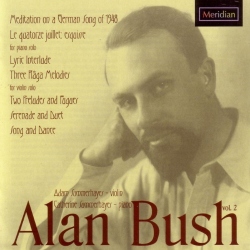
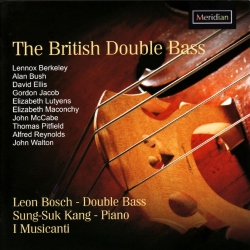
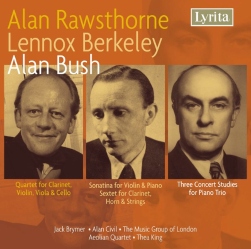
Released Album
Chamber
-
 March 5, 2012
 -
-
 March 11, 2008
 -
 November 2, 2004
 -
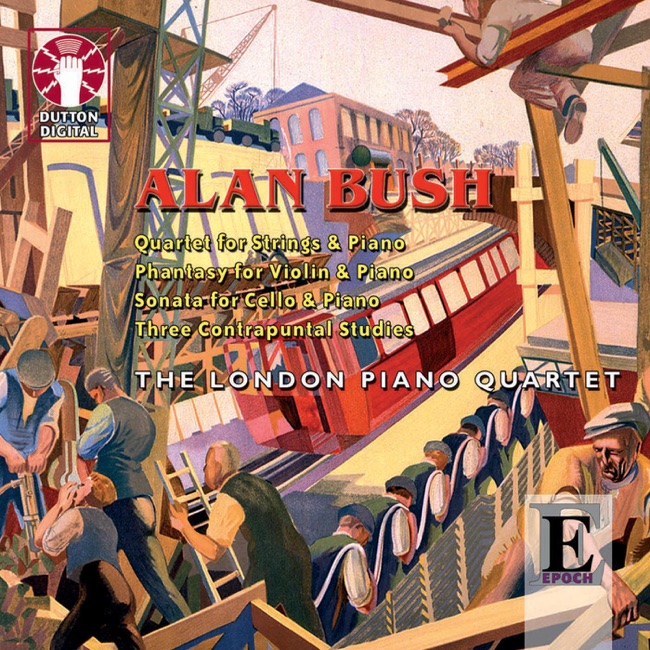
-
 February 4, 2003
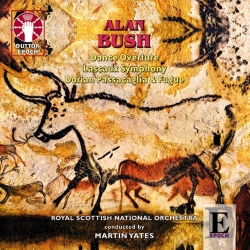
Symphony

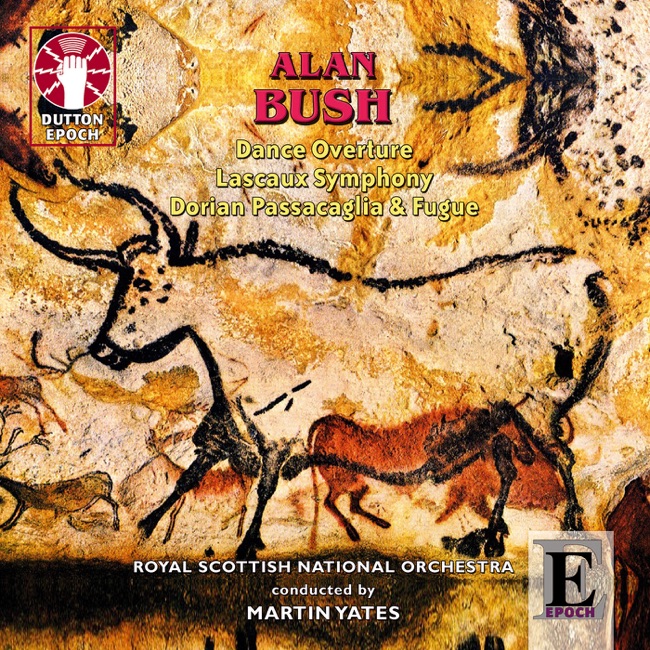
Artist Info
Role:ComposerCountry: United KingdomBirth:December 22, 1900 in London, EnglandDeath:October 31, 1995Period:ContemporaryModernGenre:ChamberKeyboardAlan Bush was a British composer, pianist, and conductor who was born on December 22, 1900, in London, England. He was the son of a socialist activist and a suffragette, and his parents instilled in him a strong sense of social justice and political activism from a young age. Bush began his musical education at the age of six, studying piano with his mother and later with the renowned pianist Tobias Matthay. In 1917, Bush won a scholarship to study at the Royal Academy of Music in London, where he studied composition with Frederick Corder and piano with Tobias Matthay. He graduated in 1921 with a diploma in composition and a performer's certificate in piano. After graduation, Bush worked as a freelance pianist and composer, performing in concerts and composing music for various ensembles and orchestras. In the 1920s, Bush became involved in left-wing politics and joined the Communist Party of Great Britain. He was a strong advocate for the use of music as a tool for social change and believed that music should be accessible to all people, regardless of their social or economic status. He composed a number of works that reflected his political beliefs, including his first symphony, which was dedicated to the Russian Revolution. Throughout the 1930s, Bush continued to compose music that reflected his political beliefs, including his second symphony, which was dedicated to the Spanish Civil War. He also became involved in the Workers' Music Association, an organization that promoted the use of music as a tool for social change. In 1936, he was appointed the conductor of the London Labour Choral Union, a position he held for over 20 years. During World War II, Bush worked as a fireman and continued to compose music. He wrote a number of works that reflected the war, including his third symphony, which was dedicated to the people of Russia. After the war, Bush continued to compose music and became a professor of composition at the Royal Academy of Music. One of Bush's most famous works is his opera, "Wat Tyler," which was first performed in 1953. The opera tells the story of the 14th-century peasant revolt led by Wat Tyler and is a powerful commentary on social injustice and political oppression. The opera was well-received by audiences and critics alike and is still performed today. In addition to his opera, Bush composed a number of other works that are still performed today, including his fourth symphony, which was dedicated to the people of China, and his fifth symphony, which was dedicated to the people of Vietnam. He also wrote a number of chamber works, including his string quartet and his piano trio. Throughout his career, Bush remained committed to his political beliefs and used his music as a tool for social change. He believed that music had the power to inspire people and to bring about social and political change. He was a prolific composer who wrote music in a variety of genres, including opera, symphonies, chamber music, and choral music. Alan Bush died on October 31, 1995, at the age of 94. He left behind a legacy of music that continues to inspire and move audiences today. His commitment to social justice and political activism is reflected in his music, which remains a powerful commentary on the human condition.More....
Recent Artist Music


8
12:26

Copyright Ⓒ 2013 Davinci Finger. All rights reseved
Service Terms & Policy