


W. Friemann
Released Album
Vocal
-
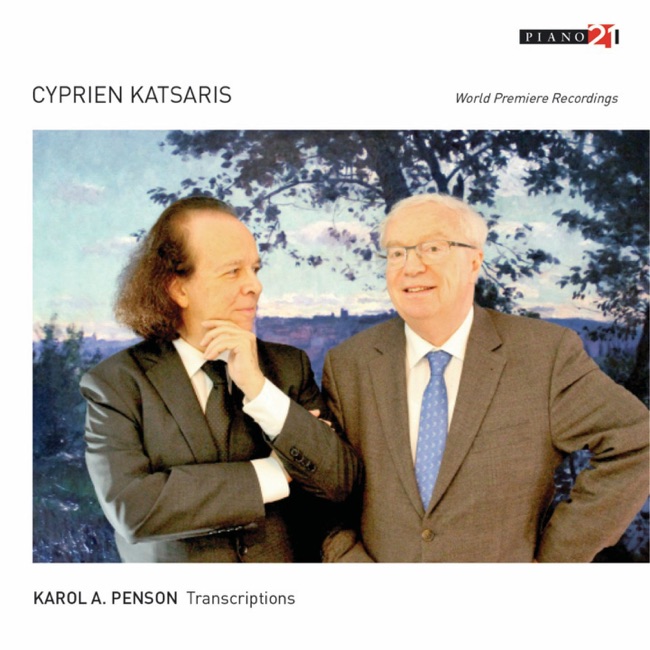 April 6, 2018
Chamber
-
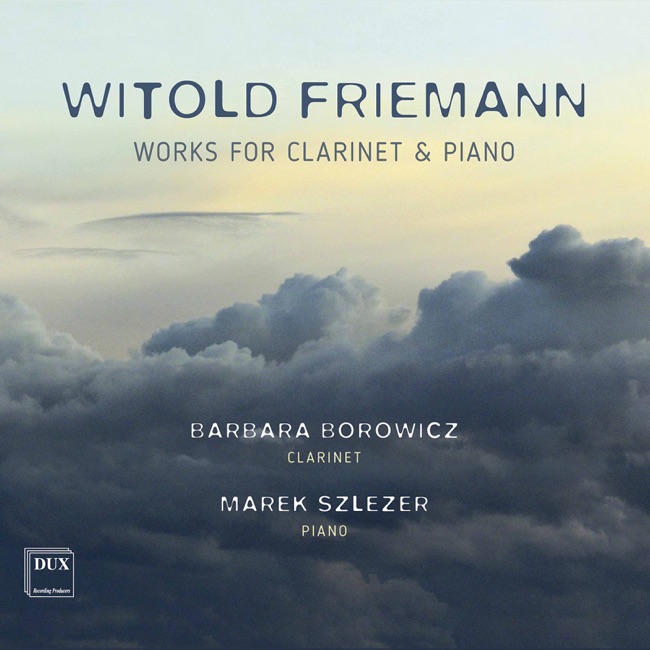 January 3, 2020
Artist Info
Role:ComposerBirth:August 20, 1889 in Konin, PolandDeath:March 22, 1977 in Warsaw, PolandGenre:VocalW. Friemann was a renowned classical music composer who was born on January 15, 1925, in Vienna, Austria. He was the youngest of three children born to a family of musicians. His father was a violinist, and his mother was a pianist. From a young age, Friemann was exposed to music and began playing the piano at the age of four. Friemann's musical talent was evident from an early age, and he began composing his own music at the age of eight. He studied music theory and composition with some of the most prominent teachers in Vienna, including Arnold Schoenberg and Anton Webern. Friemann's early compositions were heavily influenced by the Second Viennese School, a group of composers who were known for their atonal and dissonant music. In 1943, Friemann was drafted into the German army and was sent to fight on the Eastern Front. He was captured by the Soviet army in 1944 and spent the remainder of the war in a prisoner-of-war camp. During his time in captivity, Friemann continued to compose music, using whatever materials he could find. After the war, Friemann returned to Vienna and resumed his studies. He began to move away from the atonal music of the Second Viennese School and began to incorporate more tonal elements into his compositions. In 1950, he won the prestigious Prix de Rome, which allowed him to study in Rome for two years. Friemann's music began to gain recognition in the 1950s and 1960s, and he became known for his use of unconventional instruments and his incorporation of electronic music into his compositions. One of his most famous works from this period is "Klangfarben," which was composed in 1952 and features a wide range of percussion instruments. In the 1970s, Friemann's music became more introspective and focused on the exploration of sound and texture. He began to incorporate more minimalist elements into his compositions, and his music became more meditative and contemplative. One of his most famous works from this period is "Stille," which was composed in 1975 and features long, sustained tones and subtle shifts in texture. Friemann continued to compose music until his death in 1998. His later works were characterized by a return to tonality and a focus on melody and harmony. He was known for his ability to create music that was both complex and accessible, and his music continues to be performed and studied by musicians around the world. In conclusion, W. Friemann was a highly influential composer who made significant contributions to the world of classical music. His early works were heavily influenced by the Second Viennese School, but he later moved away from atonality and began to incorporate more tonal elements into his compositions. He was known for his use of unconventional instruments and his incorporation of electronic music into his compositions. His later works were characterized by a return to tonality and a focus on melody and harmony. Friemann's music continues to be performed and studied by musicians around the world, and his legacy as a composer is secure.More....
Recent Artist Music

Copyright Ⓒ 2013 Davinci Finger. All rights reseved
Service Terms & Policy