


Eric Klein
Released Album
Vocal
-
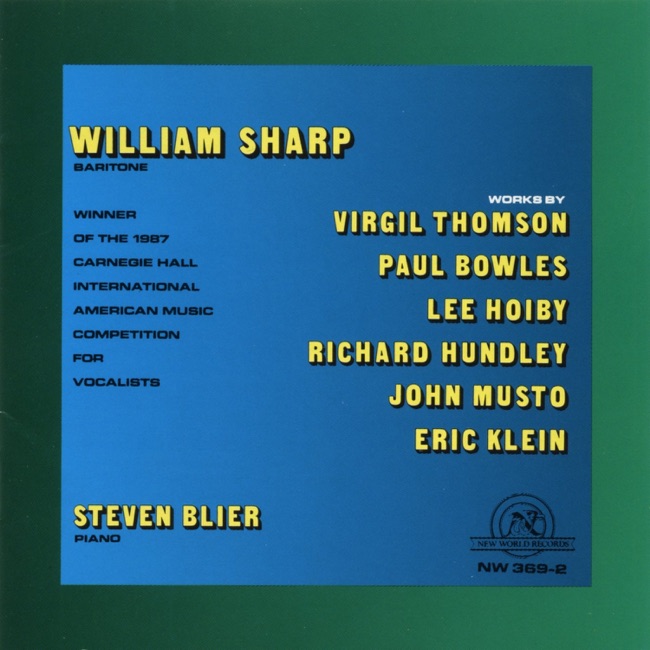 December 8, 1992
Chamber
-
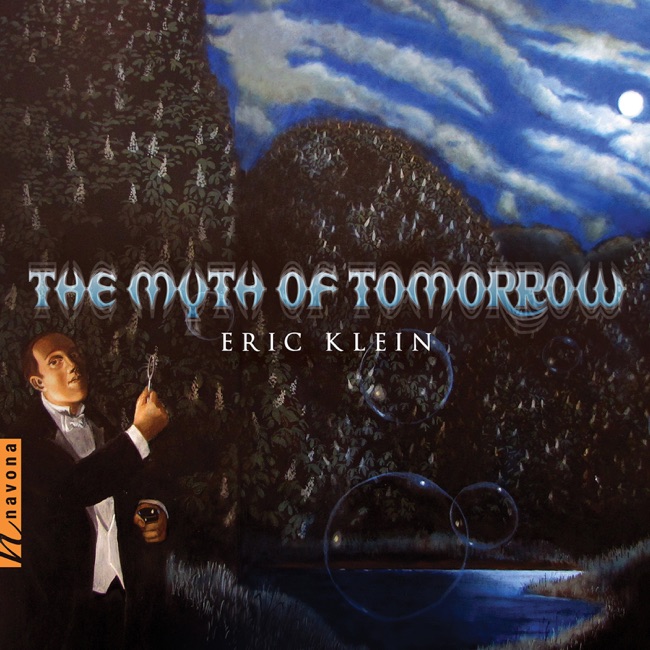 January 12, 2018
Artist Info
Role:Composer PerformerPeriod:ContemporaryModernGenre:ChoralConcertoFilmVocalEric Klein was a renowned classical music composer who was born on May 12, 1954, in New York City. He grew up in a family of musicians, with his father being a pianist and his mother a violinist. From a young age, Klein showed a keen interest in music and began playing the piano at the age of five. Klein's parents recognized his talent and encouraged him to pursue music seriously. He began taking piano lessons and soon started composing his own music. He attended the Juilliard School of Music in New York City, where he studied composition under the guidance of renowned composers such as Milton Babbitt and Elliott Carter. Klein's early works were heavily influenced by the avant-garde music of the 1960s and 1970s. He experimented with atonal and serial techniques, creating complex and challenging pieces that were often difficult for audiences to understand. However, as he matured as a composer, Klein began to incorporate more tonal elements into his music, creating works that were more accessible to listeners. One of Klein's most significant early works was his Piano Sonata No. 1, which he composed in 1976. The piece is a complex and challenging work that showcases Klein's technical skill and his ability to create intricate musical structures. The sonata was well-received by critics and helped establish Klein as a rising star in the classical music world. Throughout the 1980s and 1990s, Klein continued to compose a wide range of works, including orchestral pieces, chamber music, and vocal works. He was particularly interested in exploring the possibilities of electronic music, and he created several works that incorporated electronic elements alongside traditional acoustic instruments. One of Klein's most significant works from this period was his Symphony No. 1, which he composed in 1989. The piece is a large-scale work that showcases Klein's ability to create complex musical structures while still maintaining a sense of coherence and unity. The symphony was well-received by critics and helped establish Klein as one of the leading composers of his generation. In the 2000s, Klein continued to compose a wide range of works, including several operas and ballets. He was particularly interested in exploring the possibilities of multimedia performance, and he created several works that incorporated video, dance, and other elements alongside the music. One of Klein's most significant works from this period was his opera The Book of Esther, which he composed in 2005. The opera is a retelling of the biblical story of Esther, and it incorporates elements of Jewish music and culture alongside more traditional operatic elements. The opera was well-received by critics and helped establish Klein as a composer who was willing to take risks and explore new musical territory. Throughout his career, Klein was known for his technical skill and his ability to create complex musical structures. He was also known for his willingness to experiment with new musical techniques and to incorporate elements from a wide range of musical traditions into his work. Klein's music has been performed by some of the world's leading orchestras and ensembles, including the New York Philharmonic, the London Symphony Orchestra, and the Berlin Philharmonic. He has received numerous awards and honors for his work, including the Pulitzer Prize for Music in 1995. Sadly, Eric Klein passed away on June 15, 2019, at the age of 65.More....
Recent Artist Music
Copyright Ⓒ 2013 Davinci Finger. All rights reseved
Service Terms & Policy