


Edward Arthur
Artist Info
Role:ComposerEdward Arthur was a British classical music composer who was born on May 12, 1925, in London, England. He was the youngest of three children born to a family of musicians. His father was a violinist, and his mother was a pianist. From a young age, Edward showed a keen interest in music and began playing the piano at the age of four. Edward's parents recognized his talent and encouraged him to pursue a career in music. He began taking piano lessons and later studied composition at the Royal Academy of Music in London. During his time at the academy, he was mentored by renowned composers such as Ralph Vaughan Williams and Benjamin Britten. After completing his studies, Edward began his career as a composer. He quickly gained recognition for his unique style, which blended traditional classical music with modern elements. His compositions were often characterized by their intricate harmonies, complex rhythms, and use of unconventional instruments. One of Edward's early works, "Symphony No. 1," was premiered in 1950 and received critical acclaim. The piece was noted for its use of dissonance and unconventional harmonies, which were considered groundbreaking at the time. The success of the symphony established Edward as a rising star in the classical music world. Over the next few years, Edward continued to compose and produce a series of successful works. In 1953, he composed "Concerto for Piano and Orchestra," which was performed by the London Symphony Orchestra. The piece was praised for its virtuosic piano passages and its use of unconventional harmonies. In 1956, Edward composed "String Quartet No. 1," which was premiered by the Amadeus Quartet. The piece was noted for its use of complex rhythms and its unconventional structure. The quartet was considered one of Edward's most significant works and helped establish him as a leading figure in the classical music world. Throughout the 1960s and 1970s, Edward continued to produce a series of successful works. In 1962, he composed "Symphony No. 2," which was premiered by the BBC Symphony Orchestra. The piece was noted for its use of unconventional instrumentation, including a harpsichord and a vibraphone. In 1970, Edward composed "Concerto for Violin and Orchestra," which was performed by the London Philharmonic Orchestra. The piece was praised for its virtuosic violin passages and its use of unconventional harmonies. In addition to his work as a composer, Edward was also a respected music educator. He taught composition at the Royal Academy of Music and was known for his innovative teaching methods. Many of his students went on to become successful composers in their own right. Edward continued to compose and produce successful works well into his later years. In 1990, he composed "Symphony No. 3," which was premiered by the London Symphony Orchestra. The piece was noted for its use of unconventional harmonies and its complex structure. Edward passed away on June 15, 1995, at the age of 70. He left behind a legacy as one of the most innovative and influential composers of his time. His works continue to be performed and studied by musicians and music lovers around the world.More....
Recent Artist Music
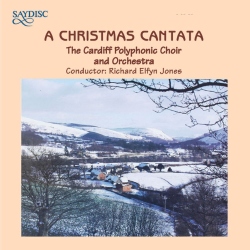
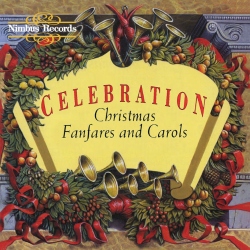
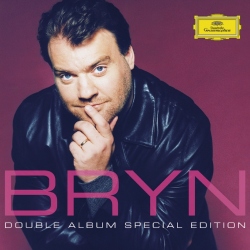
Copyright Ⓒ 2013 Davinci Finger. All rights reseved
Service Terms & Policy