


Gunther Martin Göttsche
Released Album
Keyboard
-
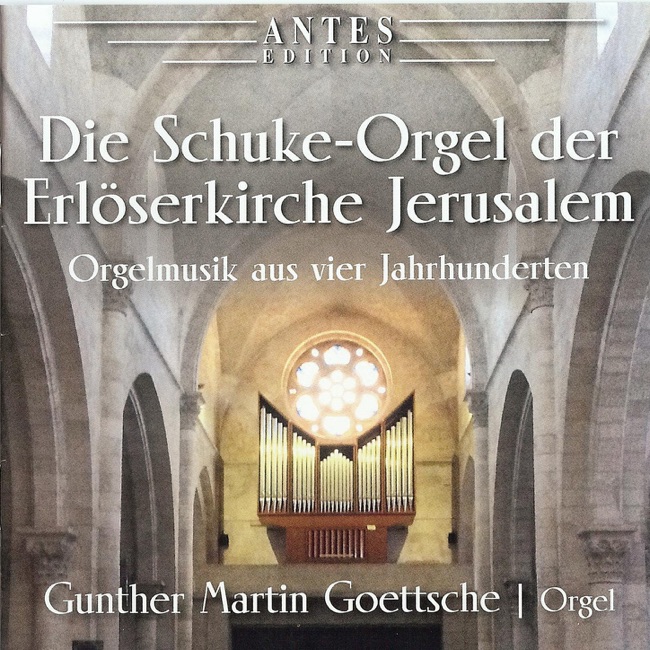 October 23, 2015
Choral
-
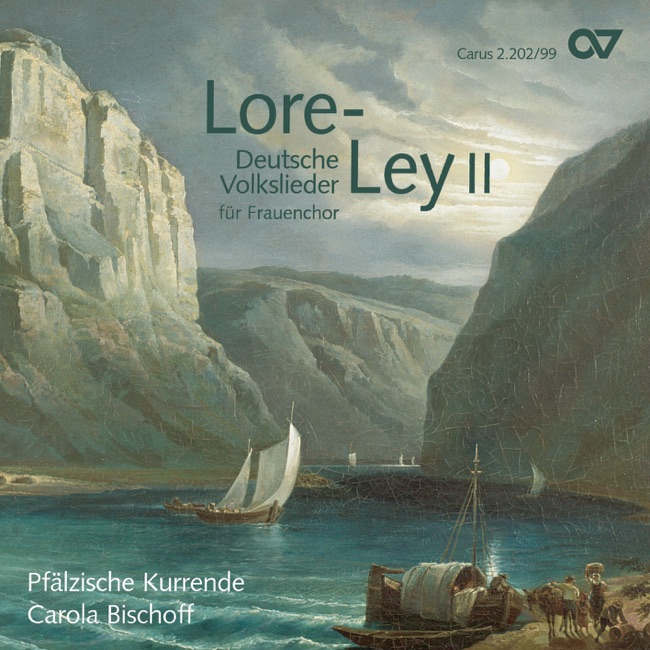 September 27, 2011
Artist Info
Role:Composer PerformerGunther Martin Göttsche was a German composer and pianist who was born on August 22, 1954, in Berlin, Germany. He grew up in a family of musicians, with his father being a pianist and his mother a singer. Göttsche began playing the piano at a young age and showed a natural talent for music. He went on to study at the Hochschule für Musik Hanns Eisler in Berlin, where he received a degree in piano performance. After completing his studies, Göttsche began working as a freelance pianist and composer. He quickly gained a reputation for his innovative and experimental approach to music, which blended classical and contemporary styles. His early works were heavily influenced by the avant-garde movement, and he often incorporated elements of jazz and rock into his compositions. In the 1980s, Göttsche began to gain wider recognition for his work. He won several awards for his compositions, including the prestigious Berlin Art Prize in 1985. His music was performed by some of the leading orchestras and ensembles in Germany, and he was invited to participate in numerous festivals and concerts throughout Europe. One of Göttsche's most notable works is his Piano Concerto No. 1, which was premiered in 1987. The piece is a virtuosic showcase for the soloist, with complex rhythms and harmonies that push the boundaries of traditional classical music. The concerto was well-received by audiences and critics alike, and it remains one of Göttsche's most popular works. In the 1990s, Göttsche continued to explore new musical territories. He began to incorporate electronic and computer-generated sounds into his compositions, creating a unique blend of acoustic and digital music. His works from this period often featured complex polyrhythms and unconventional time signatures, as well as intricate textures and harmonies. One of Göttsche's most ambitious works from this period is his Symphony No. 2, which was premiered in 1995. The piece is a sprawling, multi-movement work that incorporates elements of jazz, rock, and electronic music. The symphony features a large orchestra, as well as a choir and soloists, and it explores themes of love, loss, and redemption. In the early 2000s, Göttsche began to focus more on chamber music. He wrote several works for small ensembles, including string quartets, piano trios, and wind quintets. These works showcased Göttsche's skill as a composer of intimate, expressive music, and they were often praised for their emotional depth and sensitivity. One of Göttsche's most acclaimed chamber works is his String Quartet No. 3, which was premiered in 2003. The piece is a haunting, introspective work that explores themes of memory and nostalgia. The quartet features intricate counterpoint and rich harmonies, and it has been praised for its emotional power and beauty. Throughout his career, Göttsche remained committed to pushing the boundaries of classical music. He was known for his willingness to experiment with new sounds and techniques, and his music often challenged audiences to think differently about what classical music could be. Göttsche passed away on January 1, 2010, but his legacy as a composer and innovator continues to inspire musicians and audiences around the world.More....
Recent Artist Music
Copyright Ⓒ 2013 Davinci Finger. All rights reseved
Service Terms & Policy