


Janos Lavotta
Released Album
Miscellaneous
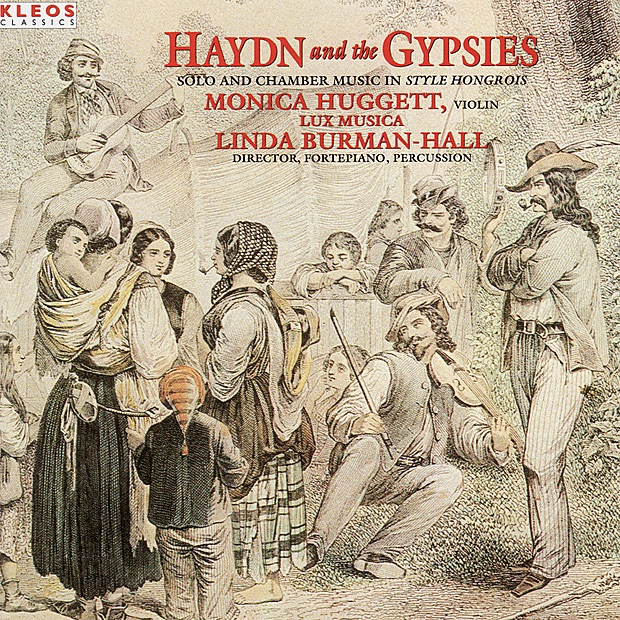
Chamber
-
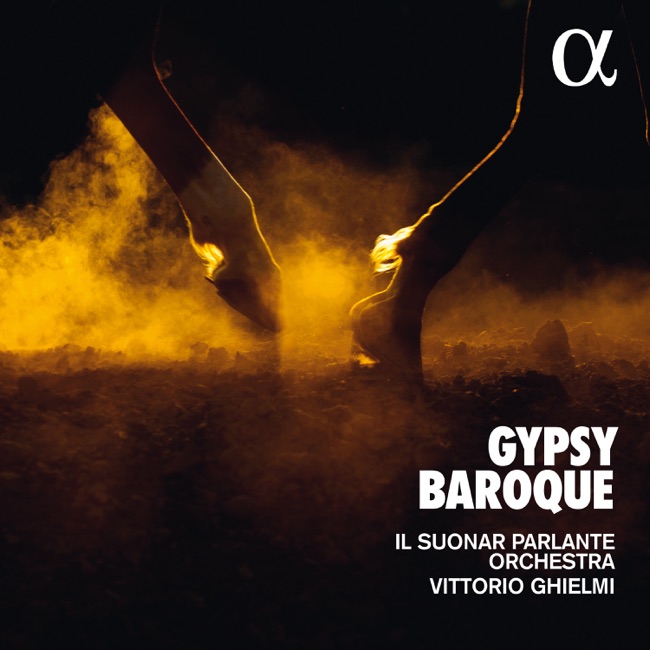 February 23, 2018
Artist Info
Role:ComposerCountry: HungaryBirth:July 5, 1764 in Pusztafödêmes, HungaryDeath:August 11, 1820 in Tâllya, HungaryJanos Lavotta was a Hungarian composer who lived from 1804 to 1878. He was born in the town of Pozsony, which is now known as Bratislava, Slovakia. Lavotta was born into a family of musicians, and his father was a well-known violinist and composer. Lavotta began his musical education at a young age, studying the violin and piano with his father. Lavotta's talent as a composer was recognized early on, and he began composing his own music while still a teenager. He studied music at the University of Vienna, where he was exposed to the works of the great composers of the time, including Beethoven, Mozart, and Haydn. Lavotta was particularly influenced by the music of Beethoven, and his own compositions often reflected this influence. After completing his studies, Lavotta returned to Hungary and began working as a music teacher and composer. He quickly gained a reputation as one of the most talented composers of his time, and his music was performed throughout Hungary and Europe. Lavotta's music was known for its emotional depth and complexity, and he was considered one of the leading composers of the Romantic era. Lavotta's most famous works include his string quartets, which are considered some of the finest examples of the genre. His quartets are known for their intricate harmonies and complex rhythms, and they are still performed and studied by musicians today. Lavotta also composed a number of symphonies, operas, and choral works, many of which were inspired by Hungarian folk music. One of Lavotta's most famous works is his opera "Erzsebet," which tells the story of the tragic life of Queen Elizabeth of Hungary. The opera was first performed in 1857 and was an immediate success. It is still performed today and is considered one of the greatest Hungarian operas of all time. Lavotta's music was also influenced by his political beliefs. He was a strong supporter of Hungarian nationalism and often incorporated elements of Hungarian folk music into his compositions. His music was seen as a symbol of Hungarian identity and was often performed at political rallies and events. Despite his success as a composer, Lavotta struggled with financial difficulties throughout his life. He was often forced to rely on the support of wealthy patrons to fund his work, and he was never able to achieve the financial stability that he desired. Despite these challenges, Lavotta continued to compose music until his death in 1878. Today, Lavotta is remembered as one of the greatest composers of the Romantic era. His music continues to be performed and studied by musicians around the world, and his legacy as a composer and champion of Hungarian nationalism lives on.More....
Recent Artist Music
Copyright Ⓒ 2013 Davinci Finger. All rights reseved
Service Terms & Policy