


Pierre Petit
Released Album
Chamber
-
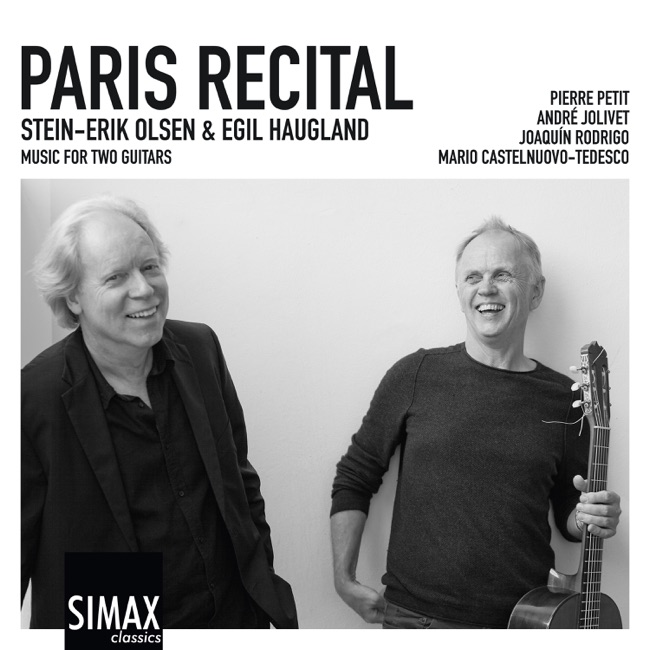 May 17, 2019
 -
 April 17, 2019
 -
 April 17, 2019
 -
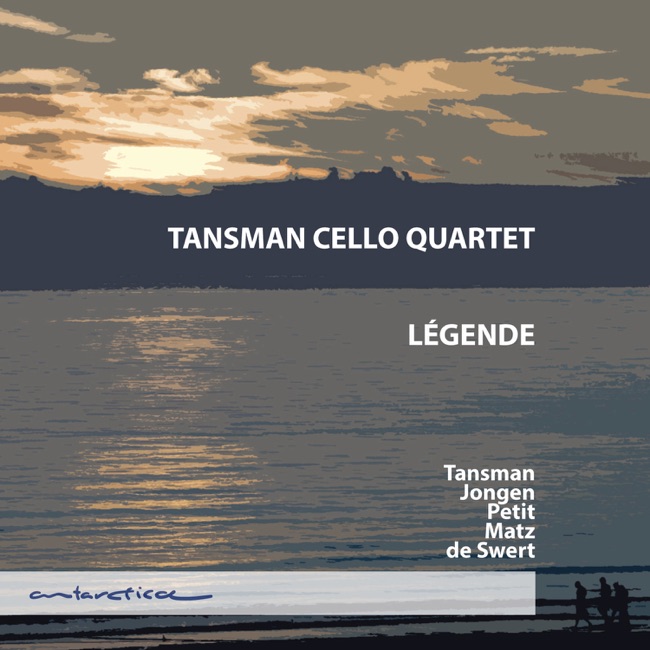 October 2, 2015
 -
 July 9, 2012
 -
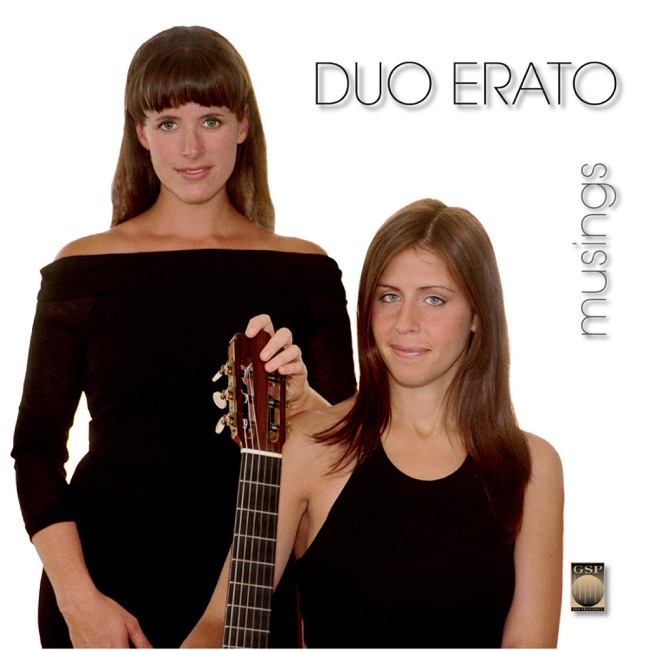 October 11, 2005
Concerto
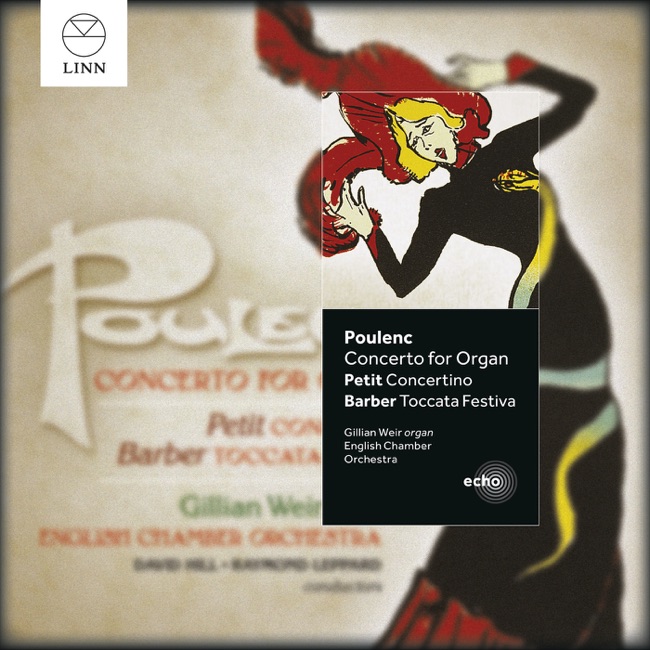
Artist Info
Role:ComposerBirth:1922Death:2000Period:BaroqueRomanticModernGenre:ChamberOperaPierre Petit was a French composer born on January 15, 1922, in Paris, France. He was the son of a music teacher and grew up in a musical family. His father taught him to play the piano at a young age, and he quickly showed a talent for music. He began composing his own pieces when he was just a teenager. Petit studied at the Paris Conservatory, where he was a student of Olivier Messiaen. He also studied with Nadia Boulanger, who was a renowned music teacher and mentor to many famous composers. Petit was deeply influenced by the music of Debussy, Ravel, and Stravinsky, and their styles can be heard in his own compositions. Petit's early works were heavily influenced by the neoclassical style, which was popular in the 1930s and 1940s. His music was characterized by its clarity, precision, and economy of means. He was also interested in exploring new sounds and textures, and he experimented with different instrumental combinations. One of Petit's early works was his Piano Sonata, which he composed when he was just 18 years old. The piece is a virtuosic tour de force, with complex rhythms and harmonies. It was well-received by critics and helped establish Petit as a promising young composer. During World War II, Petit served in the French army and was captured by the Germans. He spent several years in a prisoner-of-war camp, where he continued to compose music. His experiences during the war had a profound impact on his music, and he began to explore darker and more complex themes. After the war, Petit returned to Paris and resumed his studies at the Conservatory. He continued to compose music and began to gain recognition as a composer. In 1950, he won the Prix de Rome, which was a prestigious award for young composers. The prize included a scholarship to study in Rome, where Petit was able to focus on his music and develop his style. Petit's music continued to evolve throughout the 1950s and 1960s. He became interested in serialism, which was a new approach to composition that used a system of ordering pitches and rhythms. Petit's use of serialism was more flexible than some of his contemporaries, and he often combined it with other techniques. One of Petit's most famous works is his String Quartet No. 1, which he composed in 1955. The piece is a complex and challenging work, with intricate rhythms and harmonies. It was well-received by critics and helped establish Petit as a leading composer of his generation. In the 1960s, Petit began to experiment with electronic music. He was fascinated by the possibilities of using technology to create new sounds and textures. He composed several works for tape, including his Electronic Study No. 1, which was premiered at the Donaueschingen Festival in 1962. Petit's later works were characterized by their simplicity and clarity. He returned to a more tonal style and focused on creating music that was accessible to a wider audience. One of his most popular works is his Suite for Flute and Piano, which was composed in 1978. The piece is a charming and lyrical work, with a playful sense of humor. Petit continued to compose music until his death in 2000. He was a prolific composer, with over 100 works to his name. His music is characterized by its clarity, precision, and economy of means. He was a master of orchestration and was able to create a wide range of sounds and textures with a small ensemble. Petit's music has been performed by some of the world's leading orchestras and ensembles.More....
Recent Artist Music


6
5:2
8
7:55

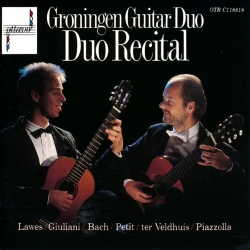
13
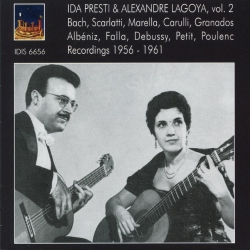
5:29
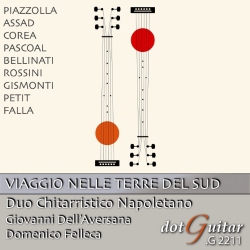
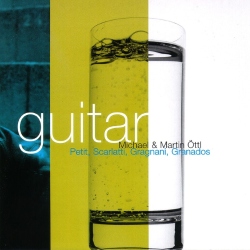
Copyright Ⓒ 2013 Davinci Finger. All rights reseved
Service Terms & Policy