


Jorma Valjakka
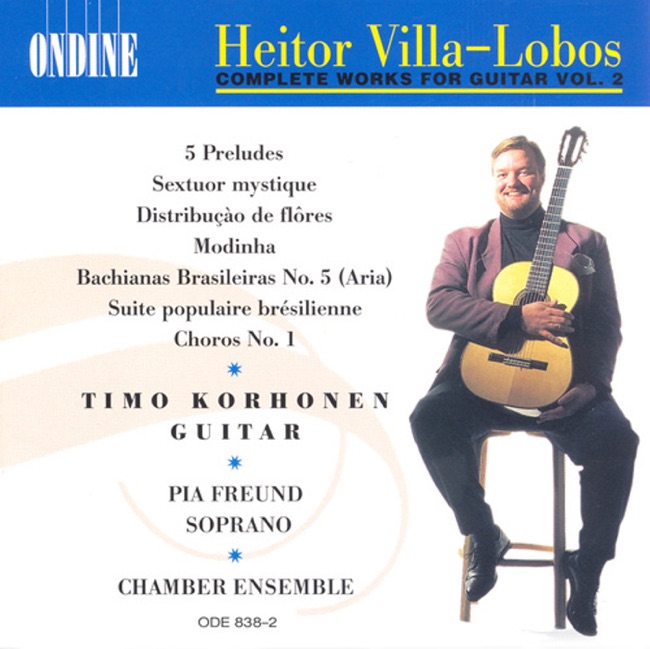
Artist Info
Period:ModernGenre:ChamberOrchestralJorma Valjakka was born on May 15, 1965, in Helsinki, Finland. He grew up in a family of musicians, with his father being a renowned pianist and his mother a violinist. From a young age, Jorma showed a keen interest in music and began playing the piano at the age of four. He later switched to the cello, which became his primary instrument. Jorma's talent was evident from an early age, and he began performing in public at the age of six. He went on to study at the Sibelius Academy in Helsinki, where he was mentored by some of the most prominent cellists of the time. He also studied abroad, spending time in Germany and the United States, where he honed his skills and gained valuable experience. Jorma's career as a professional musician began in the early 1990s, when he joined the Helsinki Philharmonic Orchestra as a cellist. He quickly established himself as one of the most talented and versatile cellists in the orchestra, and his performances were widely praised by critics and audiences alike. In addition to his work with the Helsinki Philharmonic Orchestra, Jorma also began performing as a soloist and chamber musician. He collaborated with some of the most renowned musicians of the time, including pianist Martha Argerich and violinist Maxim Vengerov. His performances were marked by his technical virtuosity, musical sensitivity, and deep emotional expression. Jorma's career reached new heights in the early 2000s, when he was invited to perform at some of the most prestigious music festivals in the world. He made his debut at the Salzburg Festival in 2001, where he performed the cello concerto by Antonín Dvořák to critical acclaim. He also performed at the Edinburgh International Festival, the Ravinia Festival, and the Tanglewood Music Festival, among others. Jorma's performances at these festivals cemented his reputation as one of the most talented and sought-after cellists of his generation. He was praised for his ability to bring out the emotional depth and complexity of the music he played, as well as his technical mastery of the instrument. In addition to his performances, Jorma also received numerous awards and accolades throughout his career. He was awarded the Pro Finlandia Medal in 2003, which is one of the highest honors that can be bestowed upon a Finnish artist. He was also awarded the Sibelius Medal in 2005, which is given to individuals who have made significant contributions to Finnish music. Despite his success, Jorma remained humble and dedicated to his craft. He continued to practice and perform regularly, always striving to improve his skills and deepen his understanding of the music he played. He also remained committed to teaching, and he mentored many young cellists throughout his career. Tragically, Jorma's career was cut short when he passed away in 2010 at the age of 45. His death was a great loss to the music world, and he was mourned by musicians and fans around the world. However, his legacy lives on through his recordings and the many musicians he inspired and mentored throughout his career.More....
Recent Artist Music
Copyright Ⓒ 2013 Davinci Finger. All rights reseved
Service Terms & Policy