


Douglas Ovens
Released Album
Miscellaneous
-
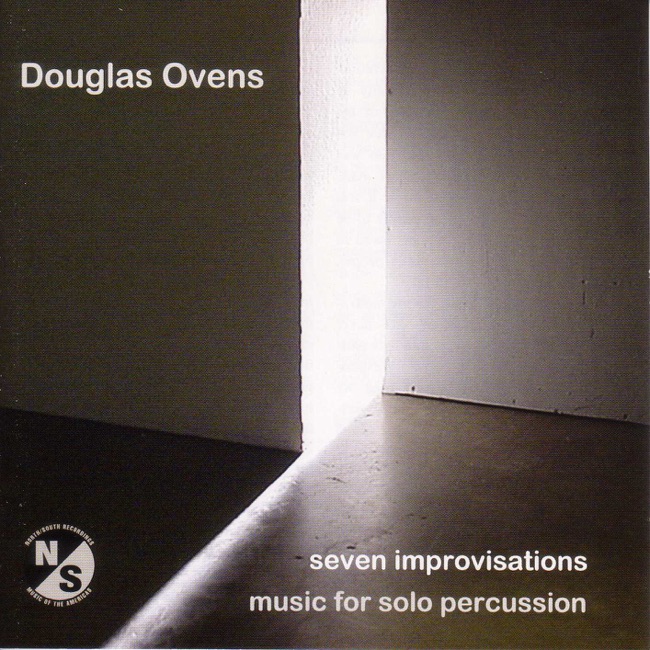 June 29, 2004
Keyboard
-
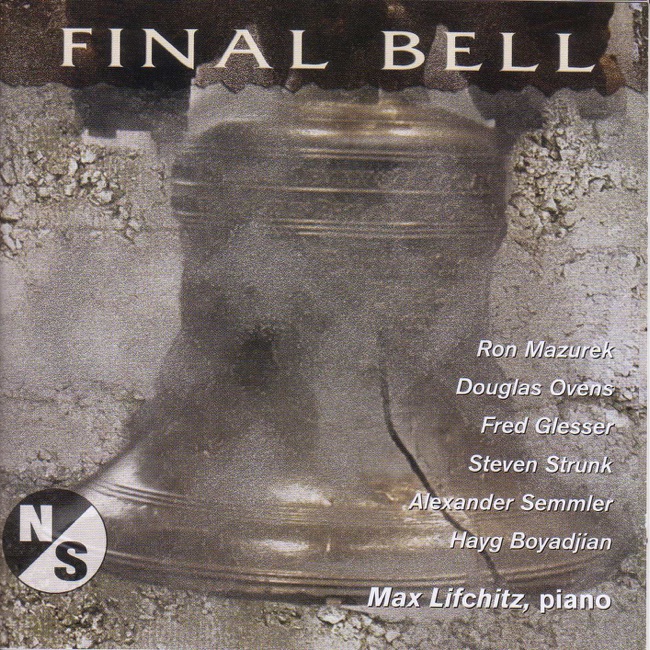 November 21, 2006
Artist Info
Role:Composer PerformerBirth:1953Period:ContemporaryModernGenre:VocalDouglas Ovens was a British composer and music educator who made significant contributions to the world of classical music. He was born on August 22, 1921, in London, England, and grew up in a family of musicians. His father was a professional violinist, and his mother was a pianist. Ovens showed an early interest in music and began playing the piano at the age of four. Ovens attended the Royal Academy of Music in London, where he studied composition with Alan Bush and piano with Harold Craxton. He graduated with a Bachelor of Music degree in 1942 and went on to earn a Master of Music degree from the same institution in 1945. During his time at the Royal Academy of Music, Ovens was awarded several prizes for his compositions, including the prestigious Cobbett Prize in 1942. After completing his studies, Ovens began his career as a music educator. He taught at several schools and colleges in England, including the Royal Academy of Music, where he was a professor of composition from 1965 to 1986. Ovens was also a visiting professor at several universities in the United States, including the University of Michigan and the University of California, Los Angeles. As a composer, Ovens was known for his use of traditional forms and structures in his works. He was particularly interested in the music of the Baroque and Classical periods and often incorporated elements of these styles into his compositions. Ovens' works were also characterized by their clarity of form and texture, as well as their expressive melodies and harmonies. One of Ovens' most significant works is his Symphony No. 1, which was composed in 1951. The symphony is in four movements and is scored for a large orchestra. The work is notable for its use of counterpoint and its complex rhythmic structures. The symphony was well-received by critics and established Ovens as a major figure in British classical music. Another notable work by Ovens is his Piano Concerto, which was composed in 1961. The concerto is in three movements and is scored for piano and orchestra. The work is characterized by its virtuosic piano writing and its use of jazz and blues elements. The concerto has been performed by several prominent pianists, including John Ogdon and Peter Donohoe. Ovens also composed several works for chamber ensembles, including his String Quartet No. 1, which was composed in 1956. The quartet is in three movements and is scored for two violins, viola, and cello. The work is notable for its use of polyphonic textures and its expressive melodies. In addition to his compositions, Ovens was also a respected musicologist and wrote several books on music theory and analysis. His most notable work in this area is his book "The Structure of Music," which was published in 1971. The book is a comprehensive study of musical form and structure and has been widely used as a textbook in music theory courses. Ovens received several awards and honors for his contributions to classical music. In 1977, he was awarded the Order of the British Empire for his services to music. He was also a fellow of the Royal Academy of Music and the Royal Society of Arts. Douglas Ovens passed away on December 23, 2008, at the age of 87. His legacy as a composer and music educator continues to be celebrated by musicians and music lovers around the world.More....
Recent Artist Music

2

12:50
Copyright Ⓒ 2013 Davinci Finger. All rights reseved
Service Terms & Policy