


Enrique Soro
Released Album
Orchestral
-
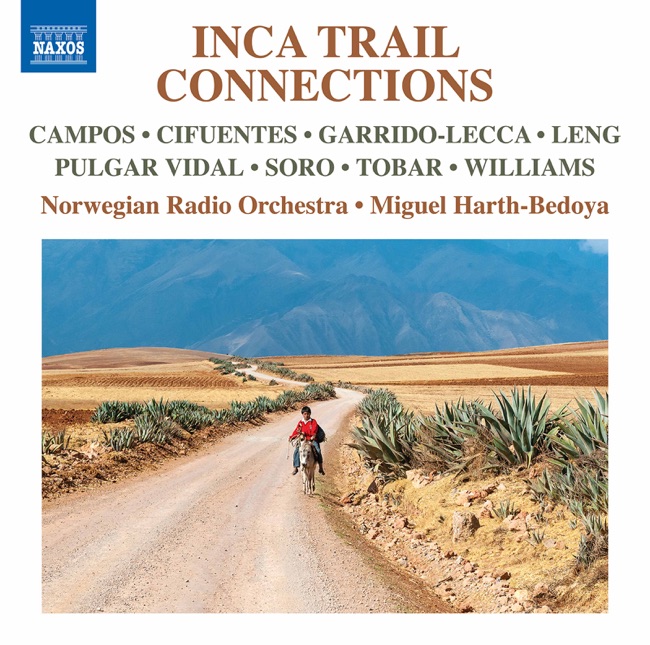 April 23, 2021
 -
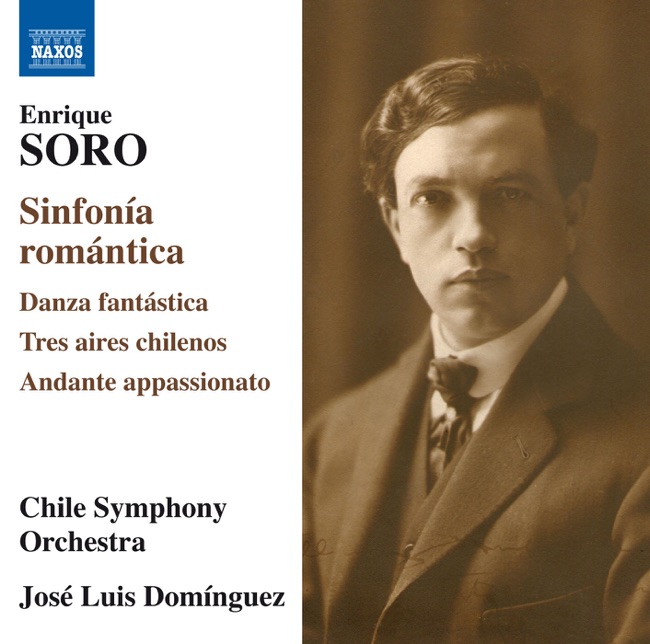
-
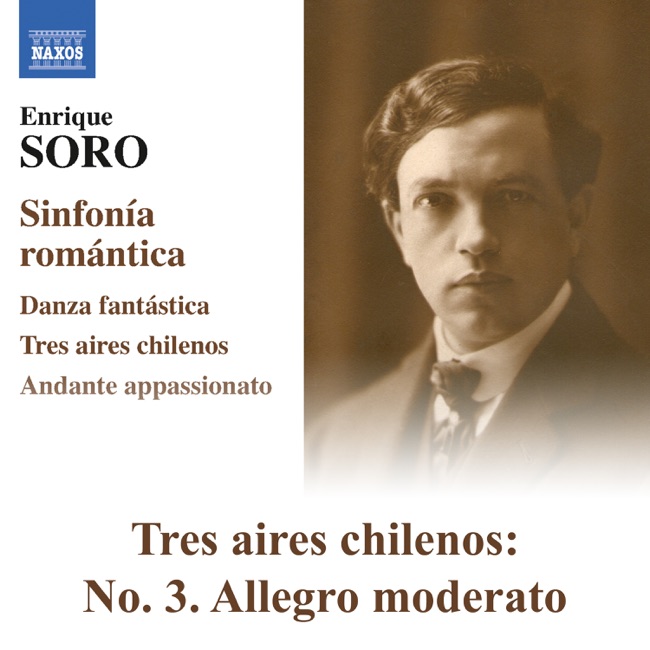 February 10, 2017
Keyboard
-
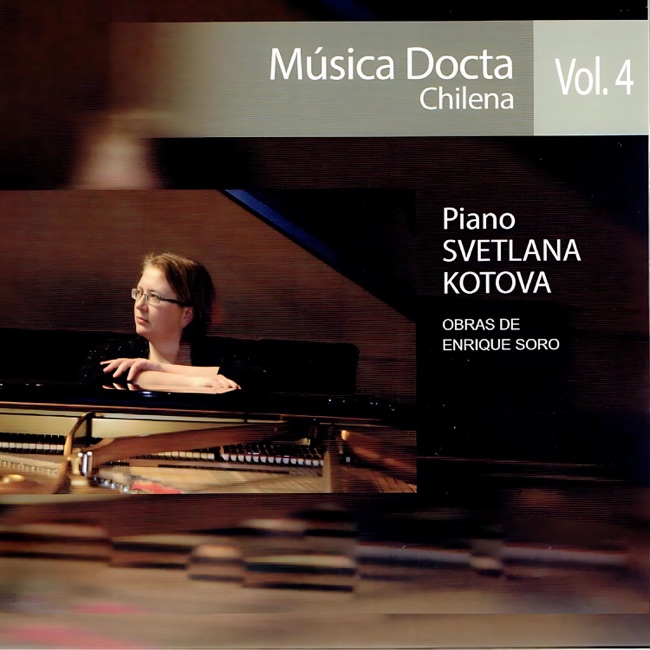 April 7, 2015
Artist Info
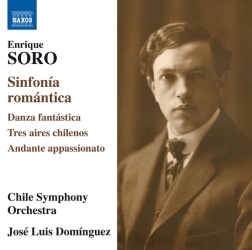
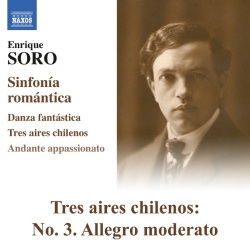
Role:ComposerBirth:1884Death:1954Enrique Soro was a Chilean composer and pianist who was born on May 14, 1884, in Chillán, Chile. He was the son of a Spanish father and a Chilean mother. Soro's father was a musician and a composer, and he was the one who introduced Soro to music at a young age. Soro's father taught him how to play the piano, and he also encouraged him to compose his own music. Soro's musical talent was evident from a young age, and he began to study music seriously when he was just six years old. He studied piano with his father and later with the renowned Chilean pianist, Carlos Salinas. Soro also studied composition with the Chilean composer, Pedro Humberto Allende. In 1902, Soro moved to Europe to continue his musical studies. He studied piano with the famous pianist and composer, Ferruccio Busoni, in Berlin. Soro also studied composition with the German composer, Max Bruch, in Berlin and with the French composer, Vincent d'Indy, in Paris. Soro's time in Europe was a formative period in his musical development. He was exposed to the latest musical trends and was able to study with some of the most renowned musicians of his time. Soro's experiences in Europe had a profound impact on his music, and he began to develop his own unique style. Soro returned to Chile in 1907 and began to establish himself as a composer and pianist. He became a professor of piano at the National Conservatory of Music in Santiago, and he also began to perform his own music in public concerts. Soro's music was well-received in Chile, and he quickly became one of the country's most prominent composers. His music was characterized by its lyricism, its use of Chilean folk melodies, and its incorporation of European musical techniques. One of Soro's most famous works is his Symphony in D Major, which he composed in 1922. The symphony is a four-movement work that showcases Soro's skill as a composer. The first movement is a lively and energetic allegro, while the second movement is a slow and contemplative adagio. The third movement is a scherzo that features a lively dance rhythm, and the final movement is a triumphant allegro that brings the symphony to a rousing conclusion. Soro's other notable works include his Piano Concerto in F-sharp minor, his String Quartet in D Major, and his Suite Andina for orchestra. Soro's music was widely performed in Chile and other Latin American countries, and it helped to establish him as one of the leading composers of his time. In addition to his work as a composer, Soro was also a respected pianist. He performed his own music as well as the works of other composers in public concerts throughout Chile and Europe. Soro was known for his virtuosic piano playing and his ability to bring out the emotional depth of the music he performed. Soro's contributions to Chilean music were significant, and he played an important role in the development of classical music in the country. He was a pioneer in the use of Chilean folk melodies in classical music, and his music helped to establish a distinct Chilean musical identity. Soro died on December 7, 1954, in Santiago, Chile. His legacy as a composer and pianist lives on, and his music continues to be performed and celebrated in Chile and around the world.More....
Recent Artist Music
1
4:27
5
3:42



Copyright Ⓒ 2013 Davinci Finger. All rights reseved
Service Terms & Policy