


Tomás Svoboda
Released Album
Keyboard
-
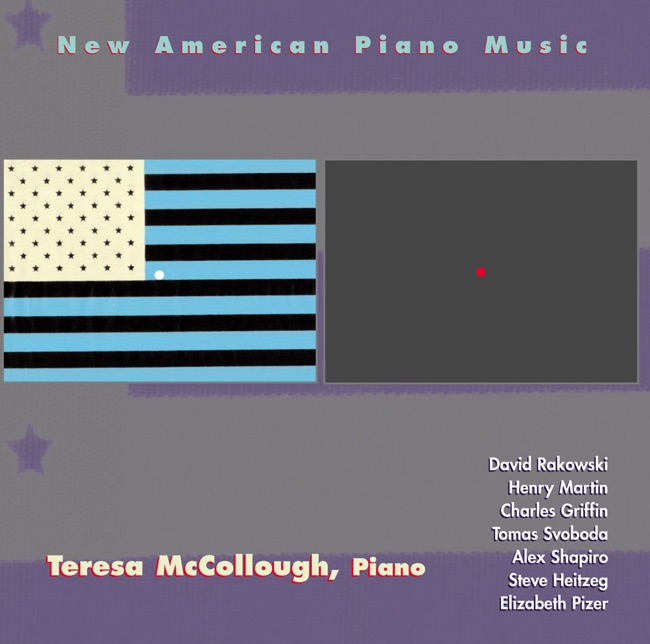 May 22, 2001
Chamber
-
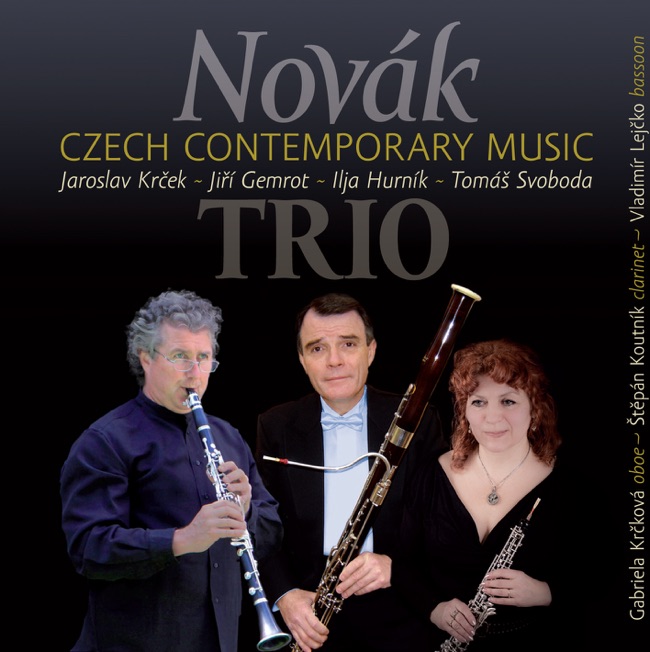 September 9, 2014
 -
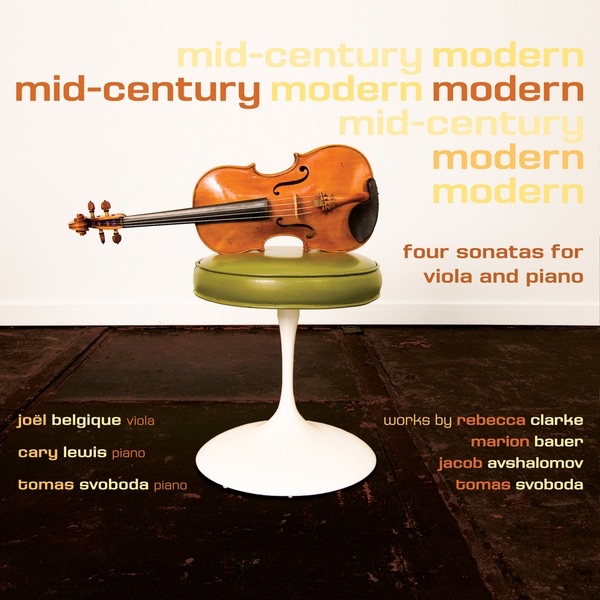 January 1, 2012
 -
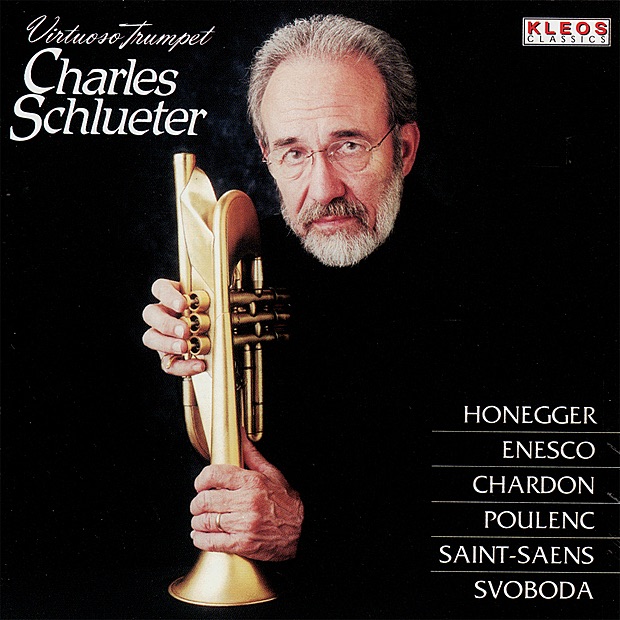 April 23, 2002
Concerto
-
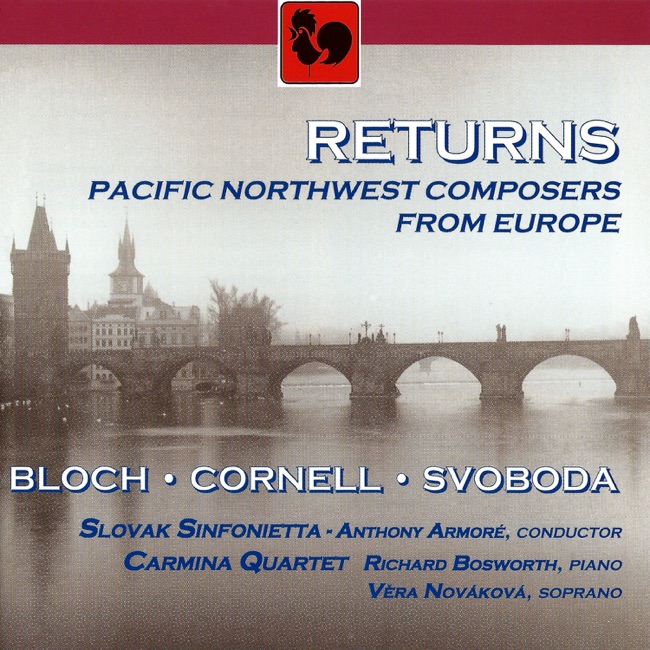 February 22, 2000
Symphony
-
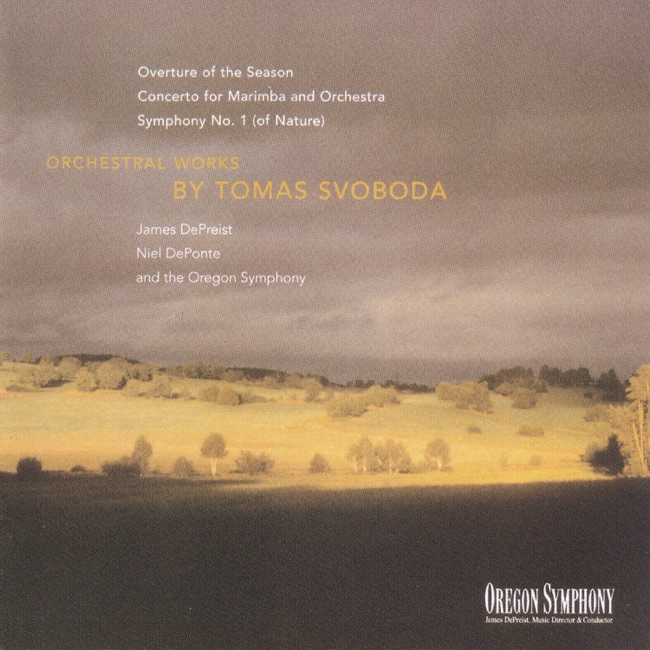 August 26, 2003
Artist Info
Role:ComposerBirth:December 6, 1939Genre:ChamberConcertoKeyboardTomás Svoboda is a Czech-American composer who has made significant contributions to the world of classical music. Born on December 7, 1939, in Prague, Czechoslovakia, Svoboda grew up in a family of musicians. His father was a composer and conductor, and his mother was a pianist. From a young age, Svoboda showed a keen interest in music and began studying piano and composition. In 1948, when Svoboda was just nine years old, his family fled Czechoslovakia due to the communist takeover. They settled in Portland, Oregon, where Svoboda continued his musical education. He studied composition with William Bergsma at the University of Washington and later earned a master's degree in composition from the same institution. Svoboda's early works were heavily influenced by the music of his homeland, particularly the works of Czech composers such as Antonín Dvořák and Leoš Janáček. However, as he continued to develop as a composer, Svoboda began to incorporate a wider range of influences into his music, including jazz and rock. One of Svoboda's most significant early works is his Symphony No. 1, which he composed in 1963. The piece is notable for its use of unconventional instrumentation, including electric guitar and drum set. The symphony was well-received and helped establish Svoboda as a rising star in the world of classical music. Throughout the 1960s and 1970s, Svoboda continued to compose a wide range of works, including chamber music, choral music, and orchestral works. One of his most famous works from this period is his Concerto for Marimba and Orchestra, which he composed in 1978. The piece is known for its virtuosic marimba solos and has become a staple of the marimba repertoire. In the 1980s, Svoboda began to incorporate more electronic elements into his music, including synthesizers and computer-generated sounds. This experimentation led to the creation of some of his most innovative works, including his Symphony No. 6, which he composed in 1986. The piece features a large orchestra, as well as electronic sounds and a spoken-word narration. Svoboda's music has been performed by some of the world's leading orchestras and ensembles, including the Seattle Symphony, the Oregon Symphony, and the Prague Symphony Orchestra. He has also received numerous awards and honors for his work, including the Governor's Arts Award from the state of Oregon and the Distinguished Alumni Award from the University of Washington. In addition to his work as a composer, Svoboda has also been an influential teacher and mentor to many young musicians. He has taught at a number of institutions, including Portland State University and the University of Oregon, and has served as a guest lecturer and conductor at universities and music festivals around the world. Today, Svoboda continues to compose new works and remains an active member of the classical music community. His music continues to be celebrated for its innovative spirit and its ability to bridge the gap between traditional classical music and more contemporary styles.More....
Recent Artist Music
1
9:49
5
8:55
6
6:12
8
11:2
Copyright Ⓒ 2013 Davinci Finger. All rights reseved
Service Terms & Policy