


Francisco Guerrero
Artist Info
Role:ComposerBirth:1951Death:1997Period:ContemporaryGenre:OrchestralVocalFrancisco Guerrero was a Spanish composer of the Renaissance period, born in Seville in 1528. He was the son of a musician, and his father was his first teacher. Guerrero showed an early talent for music, and by the age of 18, he had become a choirboy at the Seville Cathedral. Guerrero's musical education continued at the Cathedral, where he studied under the renowned composer Cristóbal de Morales. He quickly became one of Morales' star pupils, and by the time he was in his mid-twenties, he had already composed several works that were performed in the Cathedral. In 1549, Guerrero left Seville to study in Rome, where he spent several years studying under the famous composer Giovanni Pierluigi da Palestrina. While in Rome, Guerrero composed some of his most famous works, including his Missa Sancta et Immaculata and his motet Maria Magdalene. After returning to Spain, Guerrero became the maestro de capilla (music director) at the Cathedral of Jaén. He held this position for several years before returning to Seville to take up the same position at the Cathedral there. Guerrero's music was highly regarded during his lifetime, and he was considered one of the greatest composers of his time. His music was known for its beauty and complexity, and he was particularly skilled at writing polyphonic music. Some of Guerrero's most famous works include his Missa de la Batalla Escoutez, which was written to commemorate the victory of the Spanish Armada over the English in 1588. This work is known for its use of military fanfares and its dramatic choral writing. Another famous work by Guerrero is his motet Ave Virgo Sanctissima, which is a beautiful and intricate piece of music that showcases Guerrero's skill at writing polyphonic music. Guerrero's music was also known for its use of chromaticism, which was a relatively new technique at the time. This technique involves using notes that are not part of the traditional diatonic scale, and it was used to create a sense of tension and drama in Guerrero's music. In addition to his work as a composer, Guerrero was also a respected music teacher. He taught many students over the course of his career, including his own son, who went on to become a successful composer in his own right. Guerrero died in Seville in 1599, at the age of 71. His legacy as one of the greatest composers of the Renaissance period lives on, and his music continues to be performed and admired by musicians and music lovers around the world.More....
Recent Artist Music
1
3:7

5
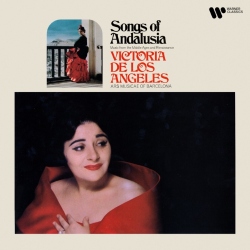
1:54
Copyright Ⓒ 2013 Davinci Finger. All rights reseved
Service Terms & Policy