


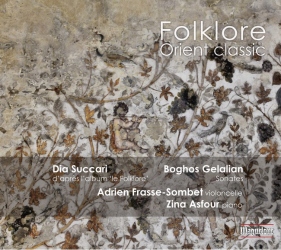
Dia Succari
Artist Info
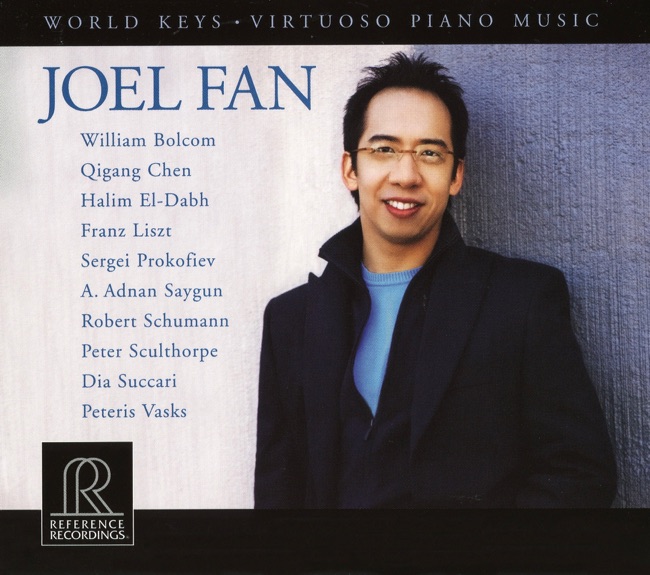
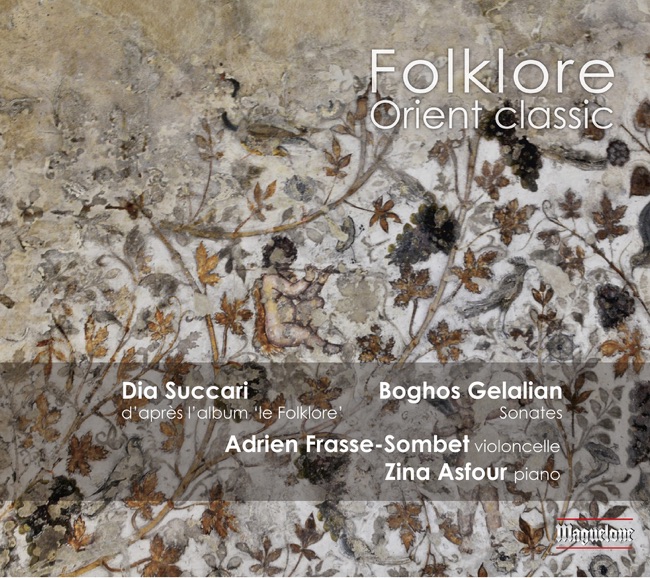
Role:ComposerBirth:1938 in Aleppo, SyriaDia Succari was a Lebanese composer who was born on December 22, 1938, in Beirut, Lebanon. He was born into a family of musicians, and his father was a well-known composer and conductor. Succari grew up surrounded by music and began playing the piano at a young age. He later studied music at the Lebanese National Conservatory of Music, where he learned to play the violin, viola, and cello. After completing his studies, Succari moved to Paris, France, where he continued his musical education at the Conservatoire de Paris. He studied composition with Olivier Messiaen, a renowned composer and teacher, and also studied orchestration with André Jolivet. During his time in Paris, Succari was exposed to a wide range of musical styles and began to develop his own unique voice as a composer. Succari's music is characterized by its fusion of Western classical music with Middle Eastern musical traditions. He was particularly interested in the music of the Arab world and drew inspiration from the rhythms, melodies, and instruments of the region. His compositions often feature a blend of Western orchestral instruments with traditional Middle Eastern instruments such as the oud, qanun, and ney. One of Succari's most famous works is his Symphony No. 1, which he composed in 1978. The symphony is a tribute to the city of Beirut and its people, and it reflects the turmoil and violence that the city experienced during the Lebanese Civil War. The symphony is divided into four movements, each of which represents a different aspect of the city's history and culture. The first movement, "The City of the Sun," is a tribute to the ancient city of Beirut, while the second movement, "The City of the Sea," reflects the city's maritime heritage. The third movement, "The City of the Mountains," is a tribute to the rugged landscape surrounding Beirut, while the fourth movement, "The City of the Future," looks forward to a brighter future for the city and its people. Another notable work by Succari is his Concerto for Oud and Orchestra, which he composed in 1981. The concerto is a fusion of Western classical music and traditional Middle Eastern music, and it features the oud, a traditional Middle Eastern stringed instrument, as the solo instrument. The concerto is divided into three movements, each of which explores a different aspect of the oud's sound and capabilities. The first movement is slow and contemplative, while the second movement is fast and virtuosic. The third movement is a lively dance that showcases the oud's rhythmic possibilities. Succari's music has been performed by orchestras and ensembles around the world, and he has received numerous awards and honors for his contributions to music. In 2008, he was awarded the National Order of the Cedar, the highest honor that can be bestowed upon a Lebanese citizen. He was also awarded the Chevalier de l'Ordre des Arts et des Lettres by the French government in 2010. Succari continued to compose music until his death on August 24, 2010, in Beirut, Lebanon. His legacy as a composer and musician lives on through his music, which continues to inspire and captivate audiences around the world.More....
Recent Artist Music
3
5:58
Copyright Ⓒ 2013 Davinci Finger. All rights reseved
Service Terms & Policy