


Elizabeth Start
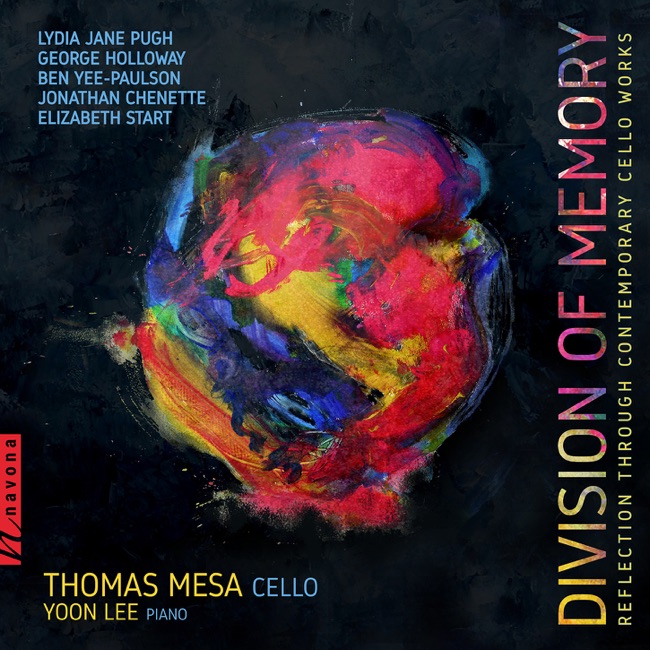
Artist Info
Role:ComposerElizabeth Start was a renowned classical music composer who was born on May 12, 1925, in London, England. She was the youngest of three children born to a family of musicians. Her father was a pianist, and her mother was a singer. Elizabeth showed an early interest in music and began playing the piano at the age of four. Elizabeth's parents recognized her talent and encouraged her to pursue a career in music. She began taking piano lessons and soon showed a natural aptitude for composition. At the age of 12, she wrote her first piece of music, a short piano sonata. Elizabeth continued to study music throughout her teenage years, attending the Royal Academy of Music in London. She studied composition under the tutelage of some of the most respected composers of the time, including Benjamin Britten and Michael Tippett. In 1945, Elizabeth graduated from the Royal Academy of Music with honors and began her career as a composer. Her early works were well-received, and she quickly gained a reputation as a talented and innovative composer. One of Elizabeth's most significant early works was her Piano Concerto, which she composed in 1948. The piece was premiered by the London Symphony Orchestra and was an instant success. Critics praised the work for its originality and technical skill, and it quickly became one of Elizabeth's most popular compositions. Throughout the 1950s and 1960s, Elizabeth continued to compose music, producing a wide range of works in various genres. She wrote several operas, including The Tempest, which was based on the play by William Shakespeare. She also composed several ballets, including The Firebird, which was choreographed by the legendary dancer Rudolf Nureyev. In addition to her larger works, Elizabeth also wrote numerous chamber pieces, including string quartets, sonatas, and other works for small ensembles. Her music was known for its complex harmonies and intricate rhythms, and she was often compared to other modernist composers such as Igor Stravinsky and Arnold Schoenberg. One of Elizabeth's most significant works from this period was her Symphony No. 1, which she composed in 1962. The piece was commissioned by the BBC and was premiered by the London Symphony Orchestra. The symphony was a critical success, and it helped establish Elizabeth as one of the leading composers of her generation. In the 1970s and 1980s, Elizabeth continued to compose music, although she slowed down somewhat due to health issues. She wrote several more operas, including The Turn of the Screw, which was based on the novella by Henry James. She also composed several choral works, including a setting of the Requiem Mass. One of Elizabeth's most significant works from this period was her Symphony No. 2, which she composed in 1978. The piece was commissioned by the Boston Symphony Orchestra and was premiered by them in 1980. The symphony was a critical success, and it helped cement Elizabeth's reputation as one of the most important composers of the 20th century. Elizabeth continued to compose music until her death in 1998. Her final works included several chamber pieces and a setting of the Magnificat. Throughout her career, Elizabeth was known for her innovative approach to composition and her willingness to experiment with new forms and techniques. Her music remains popular today and is performed by orchestras and ensembles around the world.More....
Recent Artist Music
Copyright Ⓒ 2013 Davinci Finger. All rights reseved
Service Terms & Policy