


Antonio de Salazar
Released Album
Vocal
-
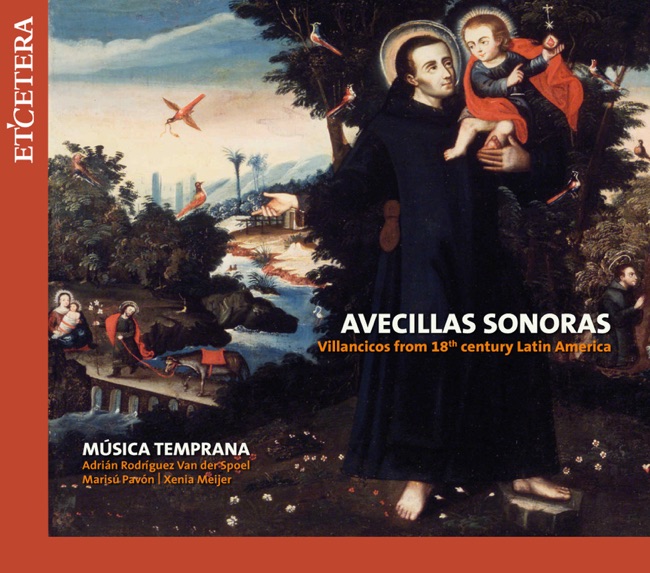 November 25, 2008
Miscellaneous
-
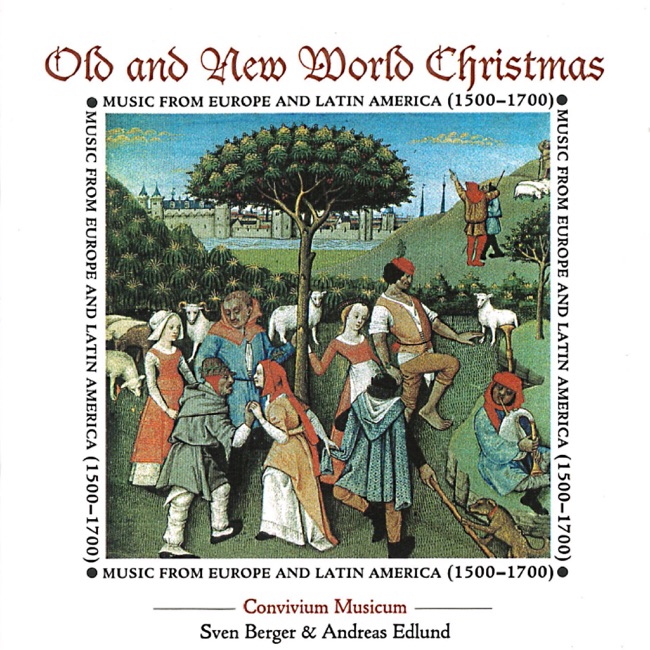 November 14, 2011
Choral
-
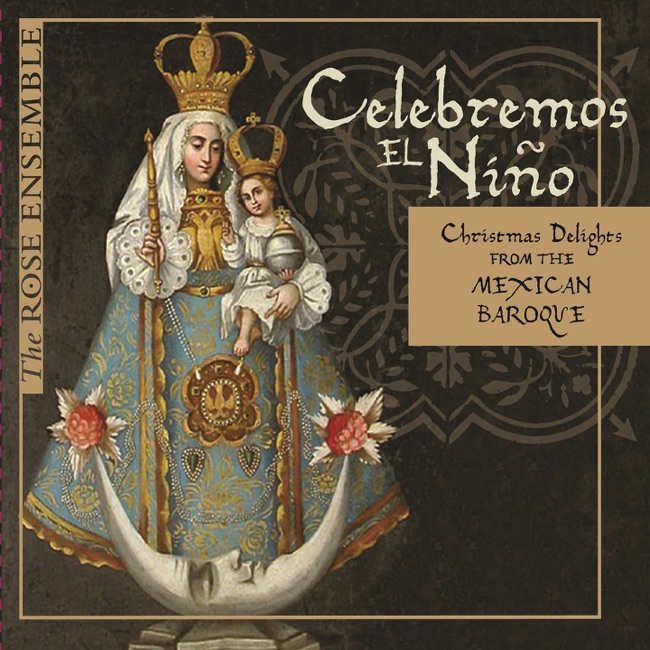 December 24, 2008
Artist Info
Role:ComposerCountry: SpainBirth:1650Death:May, 1715Period:BaroqueGenre:ChoralAntonio de Salazar was a Spanish composer of the Baroque era, born in Madrid in 1650. He was the son of a musician, and his father's influence played a significant role in his musical education. Salazar began his musical studies at a young age, and by the time he was a teenager, he was already an accomplished musician. Salazar's early musical training was in the Spanish tradition, which was heavily influenced by the music of the Catholic Church. He studied under the renowned Spanish composer Juan Hidalgo, who was the maestro de capilla (music director) at the Royal Chapel in Madrid. Under Hidalgo's tutelage, Salazar learned the art of composing sacred music, which would become his primary focus throughout his career. In 1679, Salazar was appointed as the maestro de capilla at the Royal Chapel in Madrid, a position he held until his death in 1710. As maestro de capilla, Salazar was responsible for composing and directing the music for the chapel's daily services, as well as for special occasions such as royal weddings and funerals. Salazar's music was highly regarded during his lifetime, and he was considered one of the leading composers of his time. His compositions were characterized by their rich harmonies, intricate counterpoint, and expressive melodies. He was particularly skilled at setting text to music, and his sacred works were praised for their ability to convey the meaning and emotion of the words. One of Salazar's most famous works is his Missa Sancti Henrici (Mass of Saint Henry), which was composed in honor of the patron saint of the Royal Chapel. The mass is a grand and majestic work, with intricate choral writing and a rich orchestral accompaniment. It is considered one of the finest examples of Baroque choral music, and it remains a popular work in the choral repertoire today. Another notable work by Salazar is his Lamentations for Holy Week, which is a set of three pieces that are traditionally performed during the Easter season. The Lamentations are a deeply emotional work, with haunting melodies and intricate harmonies that convey the sorrow and grief of the Passion of Christ. In addition to his sacred music, Salazar also composed secular works, including zarzuelas (Spanish operettas) and instrumental music. However, it is his sacred music that has endured and continues to be performed and recorded today. Salazar's legacy as a composer is significant, not only for his contributions to the Spanish Baroque tradition but also for his influence on the development of sacred music in Europe. His works were widely admired by his contemporaries, and his style of composition had a lasting impact on the music of the Baroque era and beyond. In conclusion, Antonio de Salazar was a highly accomplished composer of the Baroque era, whose music continues to be celebrated and performed today. His contributions to the Spanish Baroque tradition, particularly in the realm of sacred music, were significant, and his legacy as a composer remains an important part of the history of classical music.More....
Recent Artist Music
2

3:8
3
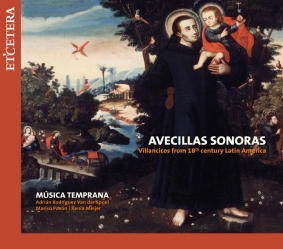
3:5
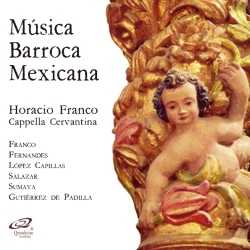
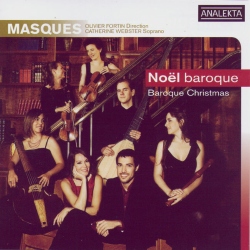
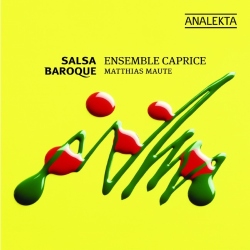
8
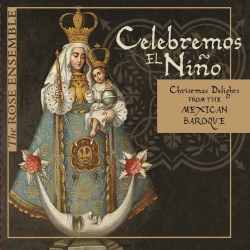
Attention, attention
Atención, atención, villancico a 5 de Nuestra Señora de Guadalupe año de 1698
4:15

Copyright Ⓒ 2013 Davinci Finger. All rights reseved
Service Terms & Policy