


John Boda
Released Album
Choral
-
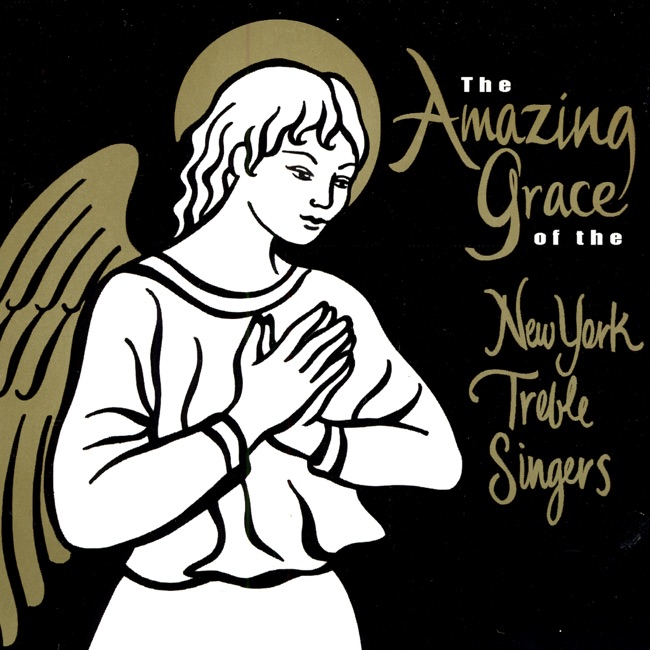 September 18, 2007
Chamber
-
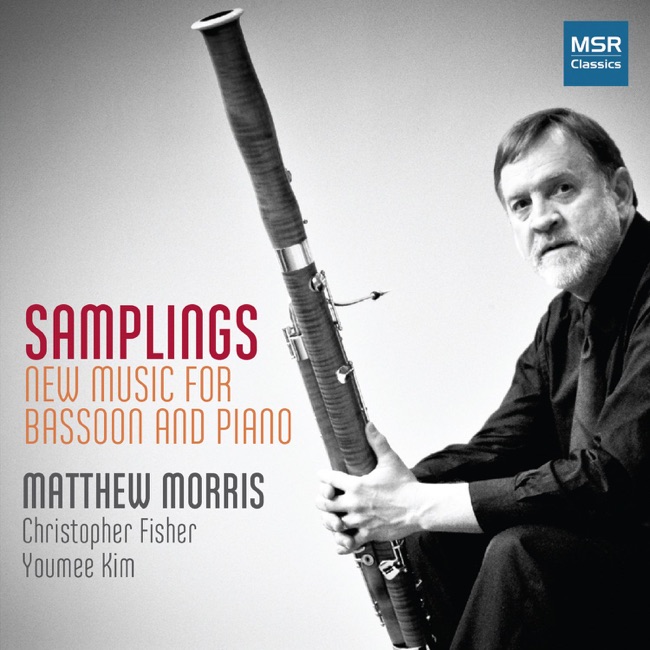 August 11, 2015
Artist Info
Role:ComposerJohn Boda was a renowned American composer of classical music, born on August 28, 1936, in Cleveland, Ohio. He was the youngest of three children born to Hungarian immigrants, and his parents were both amateur musicians. Boda's father played the violin, and his mother played the piano, and they encouraged their children to pursue music. Boda began playing the piano at the age of five and showed a natural talent for music. He started composing his own music at the age of eight and continued to develop his skills throughout his childhood. Boda attended the Cleveland Institute of Music, where he studied composition with Marcel Dick and piano with Victor Babin. He graduated in 1958 with a Bachelor of Music degree. After graduation, Boda moved to New York City to pursue a career in music. He worked as a freelance composer and pianist, performing in various venues throughout the city. In 1961, Boda won the BMI Student Composer Award for his composition "Sonata for Piano." This award helped to launch his career as a composer. Boda's early compositions were influenced by the works of Bartok, Stravinsky, and Shostakovich. He was also interested in jazz and incorporated elements of jazz into his compositions. Boda's music was characterized by its rhythmic complexity, use of dissonance, and unconventional harmonies. In 1963, Boda was awarded a Fulbright Scholarship to study composition in Paris. He studied with Nadia Boulanger, a renowned composition teacher who had taught many famous composers, including Aaron Copland and Philip Glass. Boda's time in Paris was a transformative experience, and he returned to the United States with a new perspective on music. Boda's compositions from the 1960s and 1970s were marked by their experimental nature. He was interested in exploring new sounds and techniques, and his music often featured extended techniques for the instruments. Boda's compositions from this period include "String Quartet No. 1," "Concerto for Piano and Orchestra," and "Symphony No. 1." In the 1980s, Boda's music became more tonal and accessible. He began to incorporate more traditional harmonies and melodies into his compositions, while still maintaining his unique style. Boda's compositions from this period include "Concerto for Violin and Orchestra," "Concerto for Clarinet and Orchestra," and "Symphony No. 2." Boda's music was performed by many of the world's leading orchestras and ensembles, including the New York Philharmonic, the Boston Symphony Orchestra, and the London Symphony Orchestra. He was also a respected teacher of composition, and he taught at the University of Michigan, the Eastman School of Music, and the Cleveland Institute of Music. Boda's most famous composition is his "Concerto for Piano and Orchestra," which was premiered by the New York Philharmonic in 1968. The concerto is a virtuosic work that showcases the pianist's technical abilities. It is characterized by its complex rhythms and unconventional harmonies, and it has become a staple of the piano concerto repertoire. Boda continued to compose music until his death in 2002. His later works were marked by their simplicity and elegance, and they were often inspired by nature. Boda's legacy as a composer is one of innovation and experimentation, and his music continues to be performed and studied by musicians around the world.More....
Copyright Ⓒ 2013 Davinci Finger. All rights reseved
Service Terms & Policy