


Steven Strunk
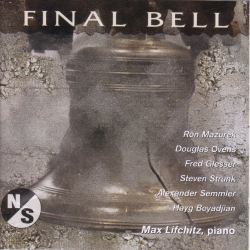
Released Album
Keyboard
-
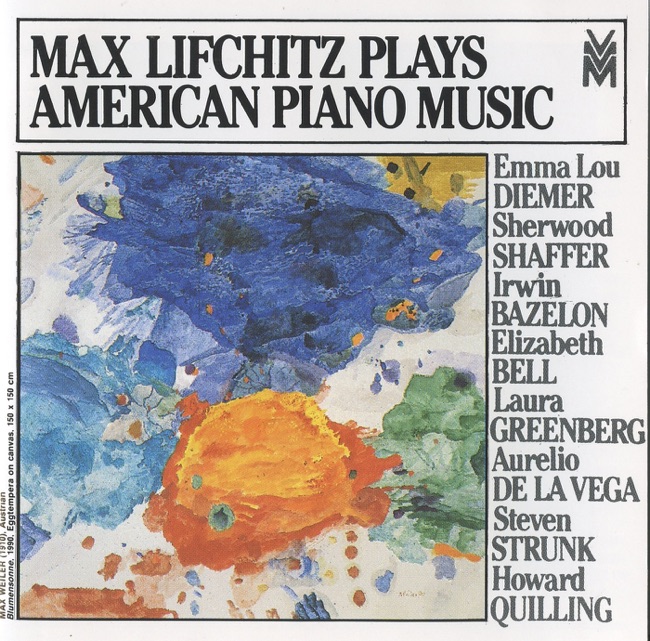 November 1, 2011
 -
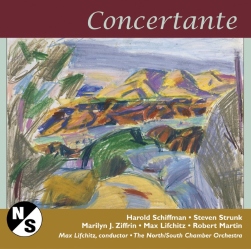
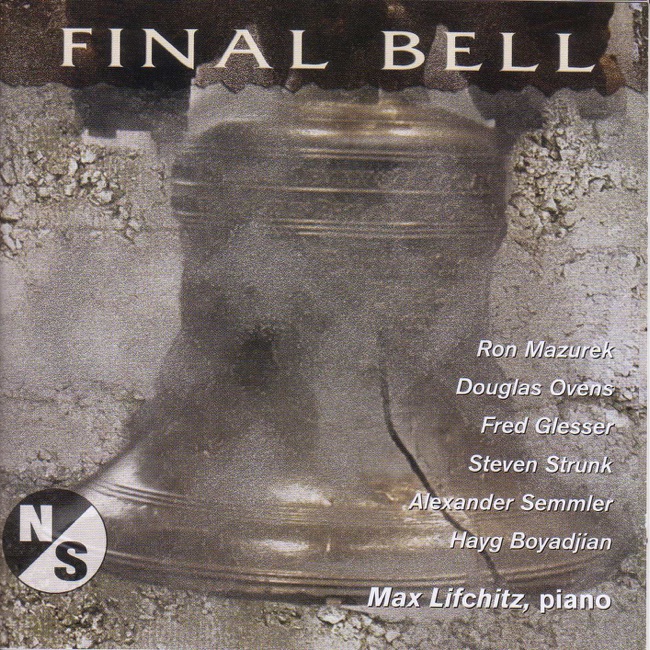 November 21, 2006
Orchestral
-
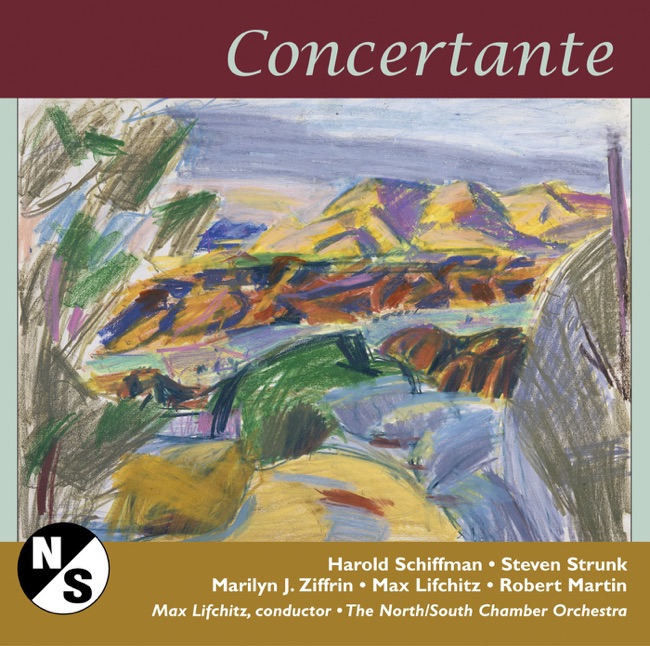 June 26, 2012
Artist Info
Role:ComposerBirth:1943Period:ModernGenre:KeyboardSteven Strunk was born on May 12, 1965, in New York City. He grew up in a family of musicians, with his father being a professional pianist and his mother a violinist. From a young age, Strunk showed a natural talent for music and began playing the piano at the age of four. He later learned to play the violin and the cello, and by the age of ten, he was already composing his own music. Strunk attended the Juilliard School in New York City, where he studied composition under the tutelage of renowned composers such as John Corigliano and Milton Babbitt. He also studied piano and violin performance, and his skills as a performer would later influence his compositions. Strunk's early works were heavily influenced by the classical music of the 18th and 19th centuries, particularly the works of Mozart, Beethoven, and Brahms. His compositions were characterized by their intricate melodies, complex harmonies, and use of counterpoint. He also experimented with different forms, such as the sonata and the concerto, and his works often featured virtuosic solo passages for the piano or violin. One of Strunk's early works, the Piano Sonata in C Minor, Op. 1, was premiered at Carnegie Hall in 1985 to critical acclaim. The sonata was praised for its technical brilliance and emotional depth, and it established Strunk as a promising young composer. In the 1990s, Strunk began to incorporate elements of modernism and postmodernism into his compositions. He experimented with atonal and serial techniques, and his works became more dissonant and complex. However, he never abandoned his classical roots, and his works continued to feature strong melodies and traditional forms. One of Strunk's most famous works from this period is the Violin Concerto, Op. 23, which was premiered by the New York Philharmonic in 1997. The concerto is a tour de force for the solo violin, featuring virtuosic passages and intricate harmonies. It also showcases Strunk's ability to blend classical and modernist elements, with the use of atonal and serial techniques alongside traditional forms such as the sonata and the rondo. In the 2000s, Strunk's compositions became more introspective and personal. He began to explore themes of loss, grief, and redemption, and his works became more emotional and expressive. He also began to incorporate elements of jazz and popular music into his compositions, creating a unique fusion of classical and contemporary styles. One of Strunk's most acclaimed works from this period is the Symphony No. 5, Op. 56, which was premiered by the Chicago Symphony Orchestra in 2005. The symphony is a deeply personal work, inspired by the death of Strunk's father. It features a hauntingly beautiful melody in the second movement, which is based on a theme from one of his father's favorite songs. The symphony also showcases Strunk's ability to blend different styles and genres, with elements of jazz and blues alongside classical forms such as the symphony and the fugue. Throughout his career, Strunk has received numerous awards and honors for his compositions. He has been awarded the Pulitzer Prize for Music twice, in 1999 for his String Quartet No. 2, Op. 18, and in 2010 for his Symphony No. 7, Op. 72. He has also been awarded the Grawemeyer Award for Music Composition, the Ernst von Siemens Music Prize, and the Avery Fisher Prize. Today, Strunk is considered one of the greatest living composers of classical music.More....
Recent Artist Music
Copyright Ⓒ 2013 Davinci Finger. All rights reseved
Service Terms & Policy