


Ernst Eichner
Released Album
Concerto
-
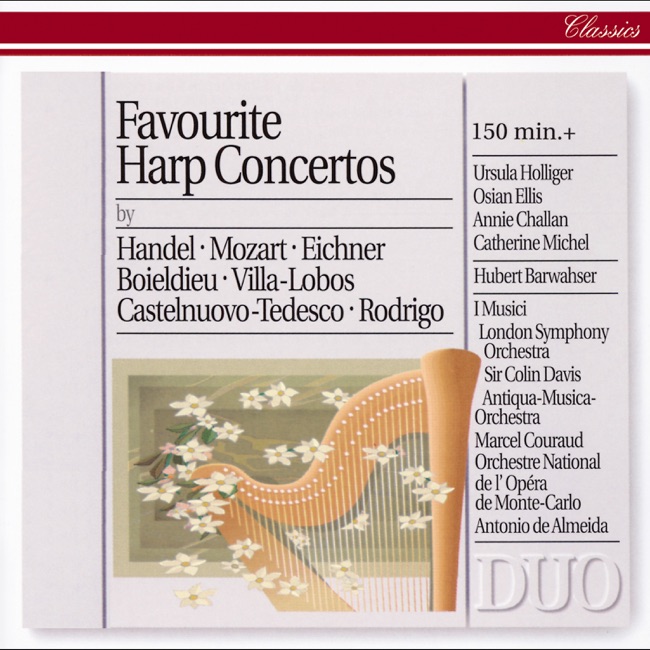 March 17, 1998
 -
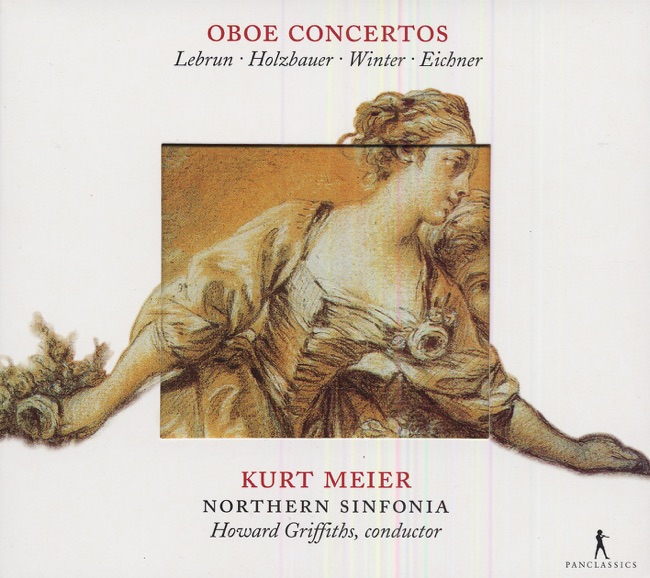 February 20, 1996
Symphony
-
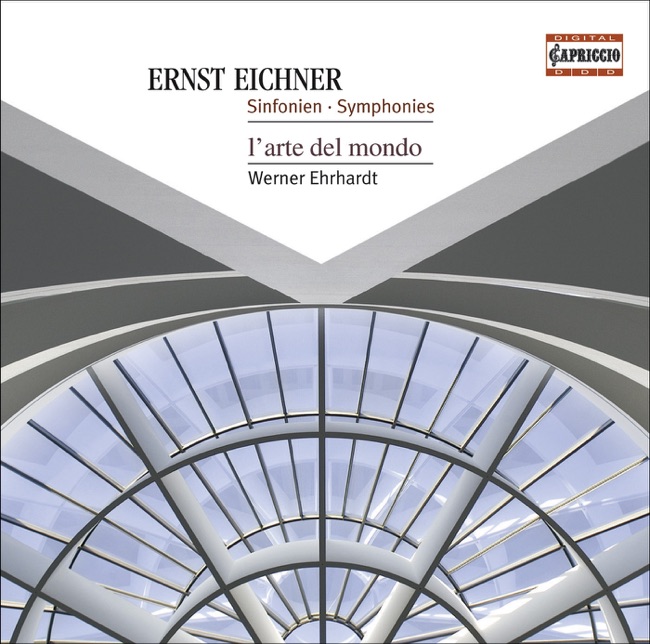 August 25, 2009
Keyboard
-
 January 25, 2011
Chamber
-
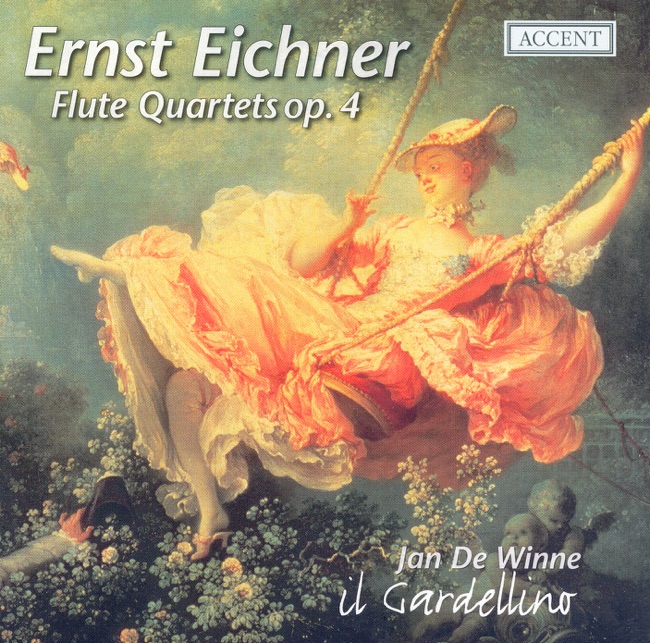 October 30, 2007
Artist Info
Role:ComposerCountry: GermanyBirth:February 15, 1740Death:1777Period:ClassicalGenre:ConcertoErnst Eichner was a German composer and musician who lived during the 18th century. He was born on January 15, 1740, in Mannheim, Germany, and was the son of a court musician. Eichner's father was a member of the famous Mannheim Orchestra, which was known for its innovative and influential style of music. Eichner began his musical education at a young age, studying with his father and other members of the Mannheim Orchestra. He quickly showed a talent for music and began composing his own works at the age of 16. Eichner's early compositions were influenced by the Mannheim style, which emphasized dramatic contrasts and dynamic shifts in music. In 1762, Eichner was appointed as a court musician in Stuttgart, where he worked for the Duke of Württemberg. During his time in Stuttgart, Eichner continued to compose music and became known for his chamber music and concertos. He also wrote music for the court theater and collaborated with other musicians and composers in the area. One of Eichner's most famous works is his Concerto for Harp and Orchestra in C major, which he composed in 1769. The concerto is notable for its virtuosic harp writing and its use of the Mannheim style. It has become a staple of the harp repertoire and is still performed today. Eichner's other notable works include his six string quartets, which were published in 1770. These quartets are considered some of the finest examples of chamber music from the Mannheim School. Eichner also wrote a number of symphonies, concertos, and sonatas for various instruments. In addition to his work as a composer, Eichner was also a respected music teacher. He taught at the Stuttgart court music school and had a number of notable students, including the composer Johann Nepomuk Hummel. Eichner died on July 19, 1777, at the age of 37. Despite his relatively short life, he left behind a significant body of work that has continued to be performed and admired by musicians and music lovers alike. His contributions to the Mannheim School and his innovative approach to music have earned him a place in the history of classical music.More....
Recent Artist Music
Copyright Ⓒ 2013 Davinci Finger. All rights reseved
Service Terms & Policy