


Fjodor Dubensky
Released Album
Choral
-
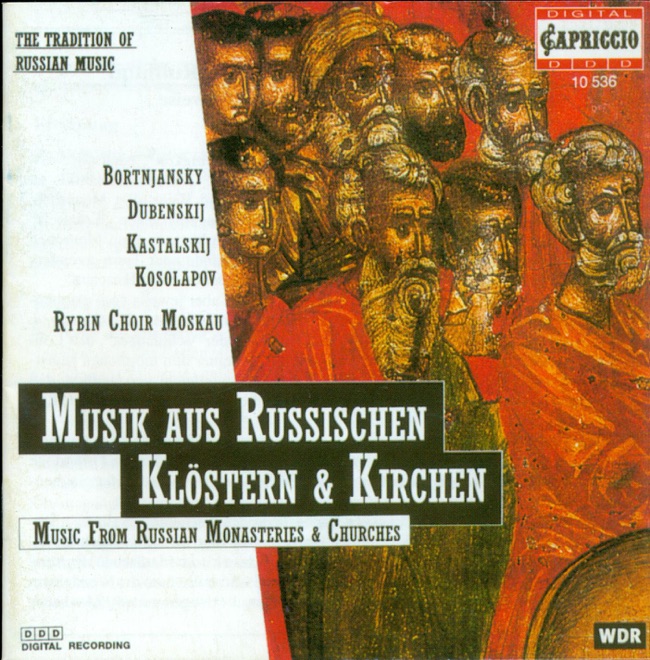 May 21, 1996
 -
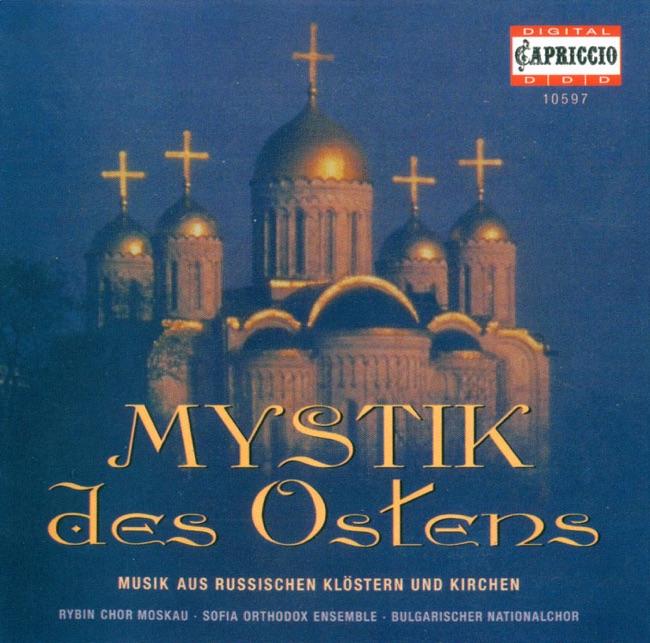 September 19, 1995
Artist Info
Role:ComposerBirth:1890Death:1966Genre:ChoralFjodor Dubensky was a Russian composer who lived from 1878 to 1959. He was born in the city of St. Petersburg, which was then the capital of the Russian Empire. Dubensky's parents were both musicians, and they encouraged their son's interest in music from an early age. He began studying piano and composition as a child, and showed great talent in both areas. Dubensky's musical education continued at the St. Petersburg Conservatory, where he studied under some of the most prominent composers of the time. His teachers included Nikolai Rimsky-Korsakov, Anatoly Lyadov, and Alexander Glazunov. Dubensky was a diligent student, and he absorbed the lessons of his teachers with great enthusiasm. After completing his studies at the conservatory, Dubensky began to establish himself as a composer. His early works were well-received, and he quickly gained a reputation as a talented and innovative composer. He was particularly interested in the use of folk melodies and rhythms in his music, and he incorporated these elements into many of his compositions. One of Dubensky's most famous works is his Symphony No. 1, which he composed in 1912. The symphony is notable for its use of Russian folk melodies, which Dubensky weaves into the fabric of the music in a subtle and sophisticated way. The symphony was premiered in St. Petersburg to great acclaim, and it helped to establish Dubensky as one of the leading composers of his generation. Dubensky continued to compose throughout his life, and his music evolved in response to the changing political and cultural climate of Russia. In the 1920s and 1930s, he became interested in the music of the Soviet Union, and he began to incorporate elements of this music into his own compositions. He also became involved in the cultural life of the Soviet Union, and he served as a member of the Union of Soviet Composers. Despite his involvement with the Soviet government, Dubensky remained true to his own artistic vision. He continued to experiment with new forms and styles, and he remained committed to the use of folk melodies and rhythms in his music. Some of his later works, such as his Symphony No. 4, are more experimental and abstract than his earlier compositions, but they still retain the distinctive voice that made Dubensky such an important composer. Dubensky's music has been performed and recorded by many of the world's leading orchestras and conductors. His Symphony No. 1, in particular, has become a staple of the orchestral repertoire, and it is widely regarded as one of the greatest works of Russian classical music. Dubensky's legacy as a composer is a testament to his talent, his dedication to his craft, and his commitment to the traditions of Russian music.More....
Recent Artist Music
Copyright Ⓒ 2013 Davinci Finger. All rights reseved
Service Terms & Policy