


Eino Tamberg
Released Album
Concerto
-
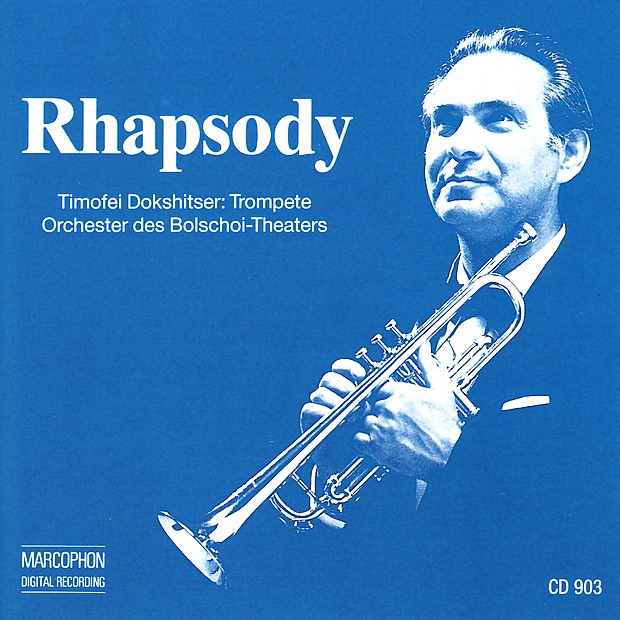 July 15, 2008
Orchestral
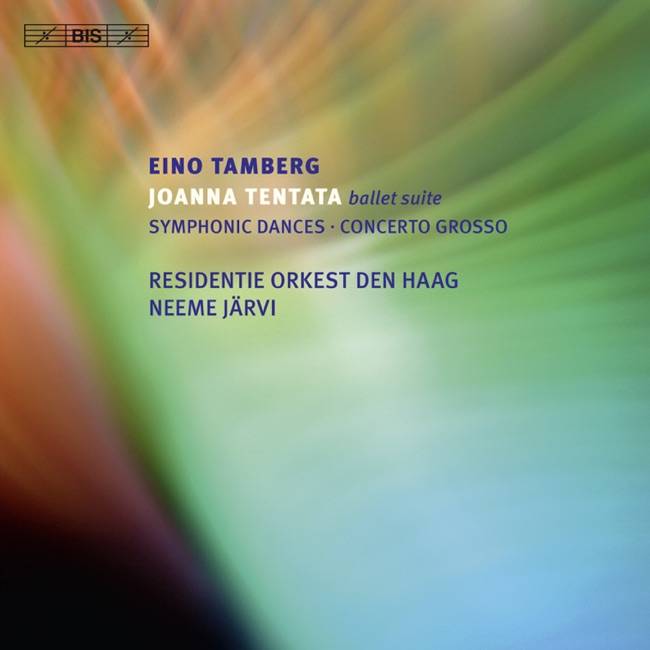
Opera
-
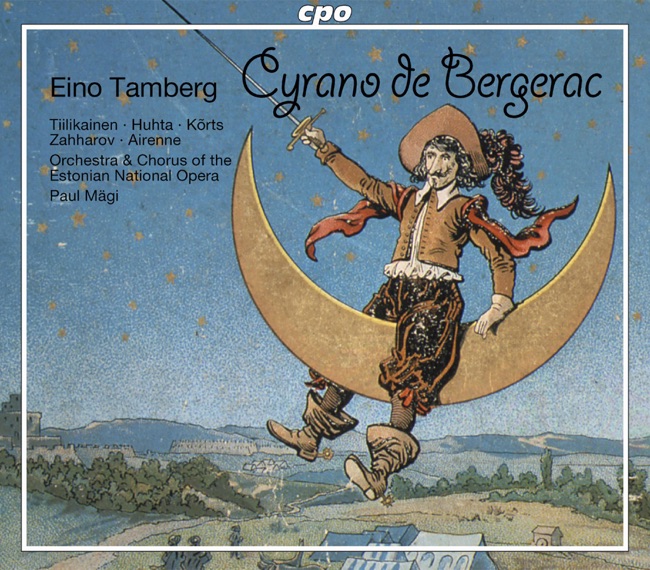 June 15, 2004
Chamber
-
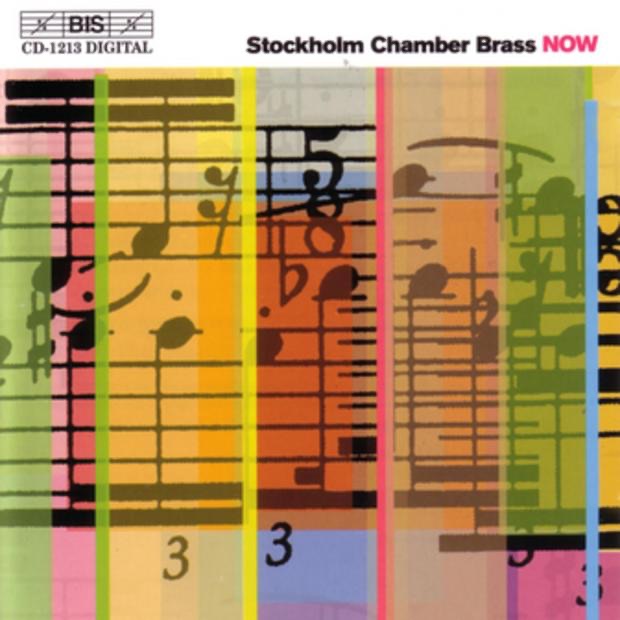 May 21, 2002
Artist Info
Role:ComposerBirth:May 27, 1930Death:December 24, 2010Period:ContemporaryGenre:ChamberConcertoOrchestralEino Tamberg was a renowned Estonian composer who was born on May 27, 1930, in Tallinn, Estonia. He was the son of a music teacher and grew up in a family that was passionate about music. Tamberg's father was a choir conductor, and his mother was a pianist. As a child, Tamberg was exposed to music from an early age and showed a keen interest in it. Tamberg began his formal music education at the Tallinn Music School, where he studied piano and composition. He later continued his studies at the Tallinn Conservatory, where he studied composition under the tutelage of Heino Eller, one of Estonia's most prominent composers. Tamberg graduated from the conservatory in 1953 and began his career as a composer. Tamberg's early works were heavily influenced by the neoclassical style, which was popular in Estonia at the time. However, he soon began to develop his own unique style, which was characterized by a blend of traditional Estonian folk music and modernist techniques. Tamberg's music was known for its lyricism, rich harmonies, and intricate textures. One of Tamberg's most significant works is his Symphony No. 1, which he composed in 1965. The symphony is a powerful and emotional work that reflects Tamberg's deep love for his homeland. The piece is divided into four movements, each of which represents a different aspect of Estonian life. The first movement, "The Sea," is a tribute to Estonia's maritime heritage, while the second movement, "The Forest," celebrates the country's natural beauty. The third movement, "The City," is a reflection of Estonia's urban life, while the final movement, "The Homeland," is a tribute to the country's people and culture. Tamberg's other notable works include his Concerto for Violin and Orchestra, which he composed in 1971. The concerto is a virtuosic work that showcases Tamberg's skill as a composer and his deep understanding of the violin. The piece is characterized by its soaring melodies, intricate rhythms, and rich harmonies. Another significant work by Tamberg is his Symphony No. 2, which he composed in 1972. The symphony is a more introspective work than his first symphony and reflects Tamberg's personal struggles and emotions. The piece is divided into three movements, each of which represents a different aspect of Tamberg's life. The first movement, "The Struggle," is a reflection of Tamberg's personal struggles, while the second movement, "The Dream," is a tribute to his imagination and creativity. The final movement, "The Victory," is a celebration of Tamberg's triumph over his personal demons. Tamberg's music was widely recognized both in Estonia and internationally. He won numerous awards for his compositions, including the Estonian State Prize for Music in 1977 and the Order of the White Star in 1995. Tamberg was also a respected music educator and taught at the Tallinn Conservatory for many years. Tamberg continued to compose music until his death in 2010. His legacy as one of Estonia's most significant composers lives on through his music, which continues to be performed and celebrated around the world.More....
Recent Artist Music

Copyright Ⓒ 2013 Davinci Finger. All rights reseved
Service Terms & Policy