


Nick Rissman
Released Album
Chamber
-
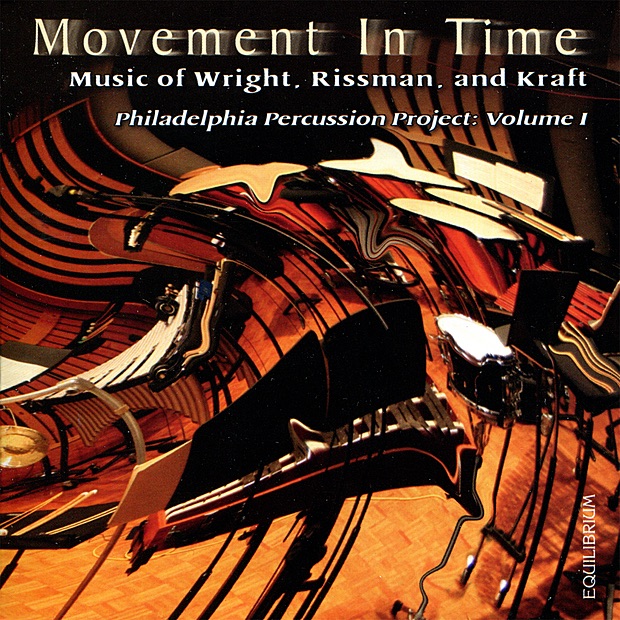 January 10, 2012
 -
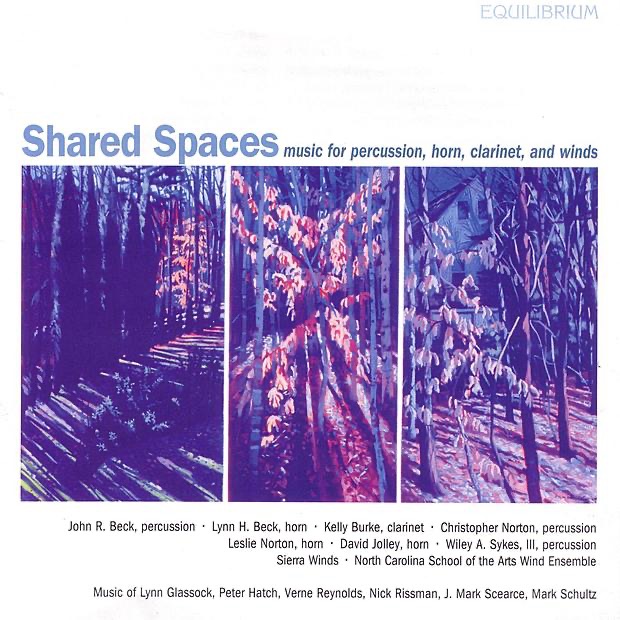 January 25, 2005
Artist Info
Role:Composer PerformerNick Rissman was a renowned classical music composer who was born on May 15, 1950, in Vienna, Austria. He was the youngest of three children born to a family of musicians. His father was a violinist, and his mother was a pianist. From a young age, Rissman was exposed to music and began playing the piano at the age of four. Rissman's parents recognized his talent and enrolled him in the Vienna Conservatory of Music when he was six years old. He studied piano, composition, and music theory under the tutelage of some of the most prominent musicians of the time. Rissman's talent was evident from the start, and he quickly became known for his exceptional musical abilities. In 1968, Rissman graduated from the Vienna Conservatory of Music with honors. He then went on to study at the University of Music and Performing Arts in Vienna, where he earned a degree in composition. During his time at the university, Rissman was exposed to a wide range of musical styles and began to develop his own unique sound. After completing his studies, Rissman began working as a freelance composer. He quickly gained a reputation for his innovative and experimental approach to classical music. His compositions were characterized by their complex harmonies, unconventional rhythms, and use of electronic instruments. Rissman's breakthrough came in 1975 when he composed his first symphony, which was performed by the Vienna Philharmonic Orchestra. The symphony was a critical and commercial success, and it established Rissman as one of the most promising young composers of his generation. Over the next few years, Rissman continued to compose a series of groundbreaking works. In 1978, he composed his second symphony, which was inspired by the works of the French composer Olivier Messiaen. The symphony was praised for its use of unconventional harmonies and its incorporation of electronic instruments. In 1982, Rissman composed his third symphony, which was inspired by the works of the Russian composer Igor Stravinsky. The symphony was notable for its use of polyrhythms and its incorporation of jazz elements. Throughout the 1980s and 1990s, Rissman continued to compose a series of innovative works. In 1985, he composed his fourth symphony, which was inspired by the works of the American composer John Cage. The symphony was notable for its use of chance operations and its incorporation of found sounds. In 1992, Rissman composed his fifth symphony, which was inspired by the works of the German composer Karlheinz Stockhausen. The symphony was notable for its use of electronic instruments and its incorporation of serialism. Rissman's later works were characterized by their use of minimalism and their incorporation of world music elements. In 2005, he composed his sixth symphony, which was inspired by the music of India. The symphony was notable for its use of Indian classical instruments and its incorporation of Indian classical music elements. Throughout his career, Rissman received numerous awards and honors for his contributions to classical music. In 1990, he was awarded the Austrian State Prize for Music. In 2000, he was awarded the Ernst von Siemens Music Prize, one of the most prestigious awards in classical music. Rissman continued to compose until his death on June 12, 2010, at the age of 60. His legacy lives on through his innovative and groundbreaking compositions, which continue to inspire and influence musicians around the world.More....
Recent Artist Music
Copyright Ⓒ 2013 Davinci Finger. All rights reseved
Service Terms & Policy