


Francesco Spinacino
Released Album
Chamber
-
-
 August 1, 2013
 -
-
 September 26, 2000
 -
 February 22, 2000
 -
 March 9, 1999
Artist Info
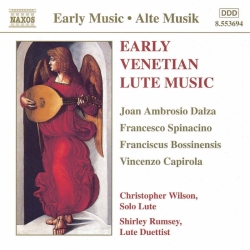
Role:ComposerCountry: ItalyBirth:ca. 1485 in FossombroneDeath:flourished 1507Period:RenaissanceGenre:ChamberKeyboardFrancesco Spinacino was a prominent Italian composer and lutenist of the Renaissance era. He was born in the city of Fossombrone, in the region of Marche, Italy, in the late 15th century. Not much is known about his early life, but it is believed that he received his musical education in the courts of the Italian nobility. Spinacino was a skilled lutenist and composer, and his works were highly regarded during his lifetime. He is best known for his lute music, which was published in two collections: Intabolatura de lauto libro primo (Intabulations for Lute, Book One) and Intabolatura de lauto libro secondo (Intabulations for Lute, Book Two). These collections contain a total of 56 pieces, including dances, fantasias, and intabulations of vocal works by other composers. Spinacino's music is characterized by its intricate counterpoint, delicate ornamentation, and expressive melodies. His works are also notable for their use of chromaticism, which was a relatively new technique in the Renaissance era. Spinacino's music was highly influential on later composers, particularly those who wrote for the lute. One of Spinacino's most famous works is his Fantasia in A minor, which is included in the first book of his Intabulations for Lute. This piece is a virtuosic tour de force, featuring complex polyphony and rapid-fire arpeggios. It is considered one of the most challenging pieces in the lute repertoire, and is still performed by lutenists today. Another notable work by Spinacino is his intabulation of Josquin des Prez's famous chanson, "Mille Regretz." This piece is included in the second book of his Intabulations for Lute, and is a beautiful example of Spinacino's skill at adapting vocal music for the lute. The piece features a delicate, flowing melody that is accompanied by intricate counterpoint and ornamentation. Spinacino's music was highly regarded during his lifetime, and he was well-respected by his contemporaries. He was particularly admired by the Italian humanist and music theorist Pietro Aaron, who praised Spinacino's music in his treatise on music, Toscanello in Musica. Despite his success as a composer, Spinacino's life remains shrouded in mystery. It is not known when he died, or where he is buried. However, his music continues to be performed and studied by lutenists and musicologists around the world, and his legacy as one of the greatest lute composers of the Renaissance era remains secure.More....
Recent Artist Music
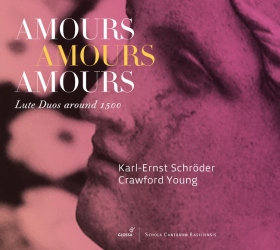
14
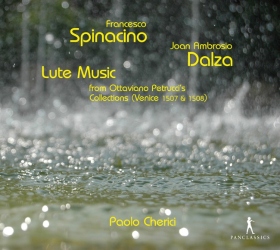
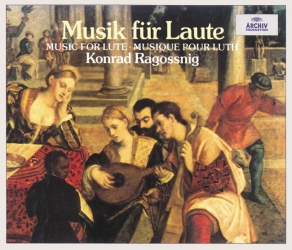
Haray tre amours (after Johannes Stockem, Ha traitre amours)
Haray tre amours (from Libro 2) (after Johannes Stockem, Ha traitre amours)
1:45
Copyright Ⓒ 2013 Davinci Finger. All rights reseved
Service Terms & Policy