


Manuel Machado
Released Album
Choral
-
 January 29, 2016
 -
 July 13, 2004
Miscellaneous
Artist Info
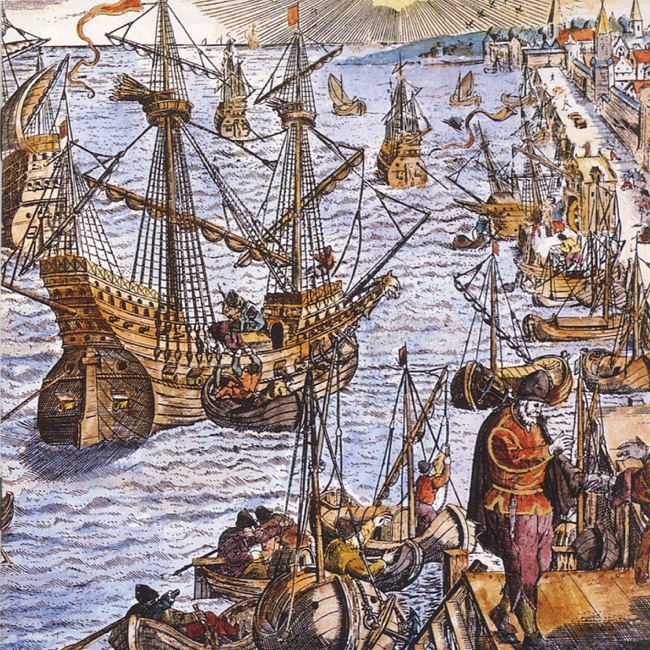
Role:ComposerCountry: PortugalBirth:1590 in Lisbon, PortugalDeath:April 18, 1646 in Madrid, SpainPeriod:BaroqueGenre:ChoralManuel Machado was a Spanish composer and pianist who lived from 1874 to 1947. He was born in Burgos, Spain, and showed an early aptitude for music. His father, a music teacher, recognized his son's talent and began teaching him piano at a young age. Machado's family moved to Madrid when he was a child, and he continued his musical education there. Machado studied at the Madrid Conservatory, where he was a student of composer and conductor Felipe Pedrell. Pedrell was a major influence on Machado's musical style, as he introduced him to the traditional music of Spain. Machado was particularly interested in the music of Andalusia, and he incorporated elements of flamenco and other regional styles into his compositions. After completing his studies, Machado began working as a pianist and composer. He performed in concerts throughout Spain and Europe, and his compositions were well-received by audiences and critics alike. Machado's music was known for its lyricism and emotional depth, as well as its incorporation of Spanish folk music. One of Machado's most famous works is his Suite Andaluza, which was composed in 1924. The suite consists of four movements, each of which is based on a different Andalusian folk song. The first movement, "Zapateado," is a lively dance in 6/8 time. The second movement, "Nana," is a lullaby that features a haunting melody played on the piano. The third movement, "Canción," is a song that features a simple, yet beautiful melody. The final movement, "Farruca," is a fast-paced dance that showcases Machado's virtuosic piano playing. Another notable work by Machado is his Piano Concerto in D minor, which was composed in 1913. The concerto is a three-movement work that features a solo piano accompanied by an orchestra. The first movement is marked by its dramatic opening, which features a powerful piano solo. The second movement is a lyrical and introspective adagio, while the third movement is a lively and energetic finale. Machado also composed a number of songs, many of which were based on Spanish poetry. One of his most famous songs is "La Lola se va a los puertos," which was based on a poem by Federico García Lorca. The song tells the story of a woman named Lola who leaves her home in the countryside to go to the ports, where she becomes a prostitute. The song is known for its haunting melody and emotional depth. In addition to his work as a composer, Machado was also a respected music educator. He taught at the Madrid Conservatory and was known for his dedication to his students. Many of his students went on to become successful musicians in their own right. Machado's music was influential in the development of Spanish classical music. His incorporation of folk music into his compositions helped to create a distinctively Spanish sound that was different from the music of other European countries. His music was also influential in the development of Spanish nationalism, as it celebrated the culture and traditions of Spain. Machado died in Madrid in 1947, but his music continues to be performed and celebrated today. His contributions to Spanish classical music are significant, and his legacy lives on through his compositions and the musicians he taught.More....


Copyright Ⓒ 2013 Davinci Finger. All rights reseved
Service Terms & Policy