


Ernest Mahle
Released Album
Chamber
-
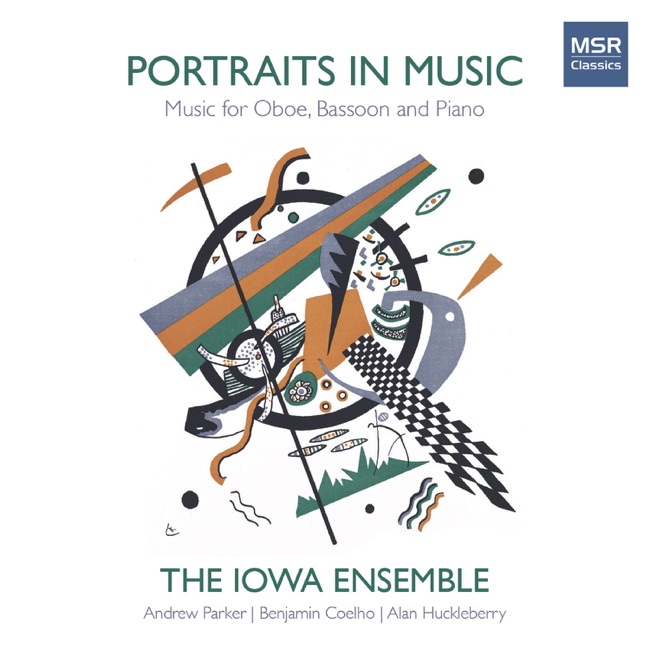 August 27, 2018
 -
 October 27, 2017
 -
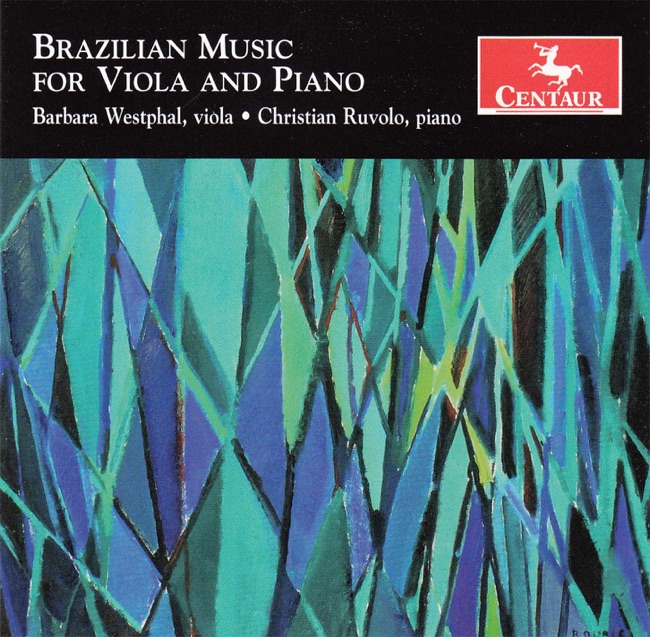 February 9, 2011
 -
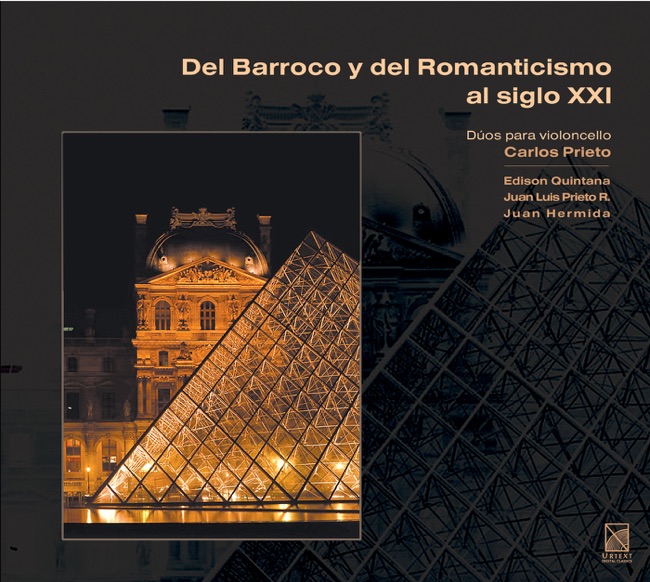 November 8, 2005
 -
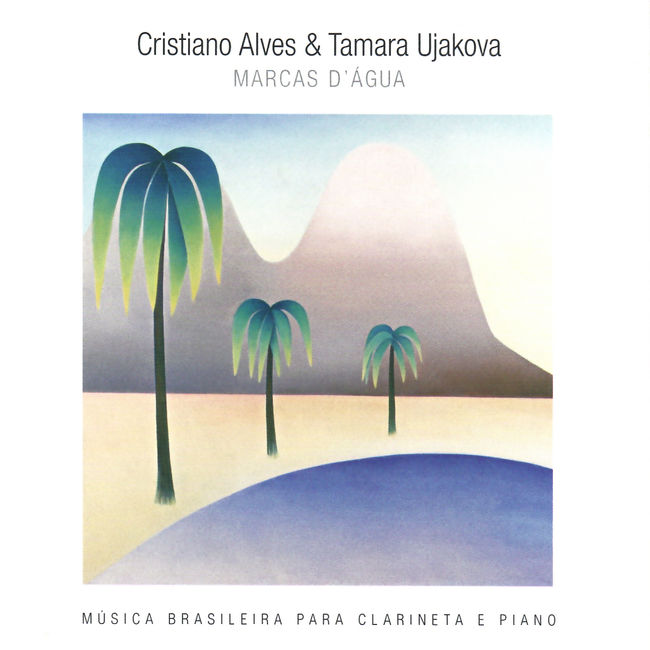 September 26, 2005
 -
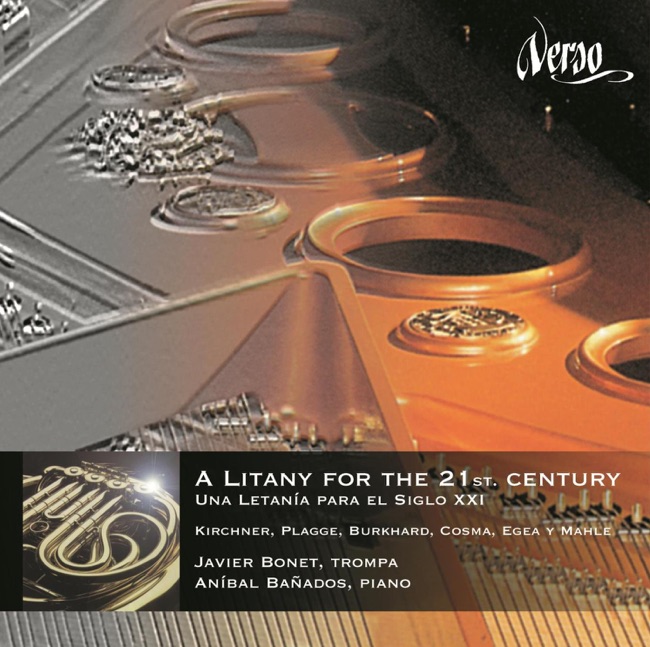 October 30, 2001
Orchestral
-
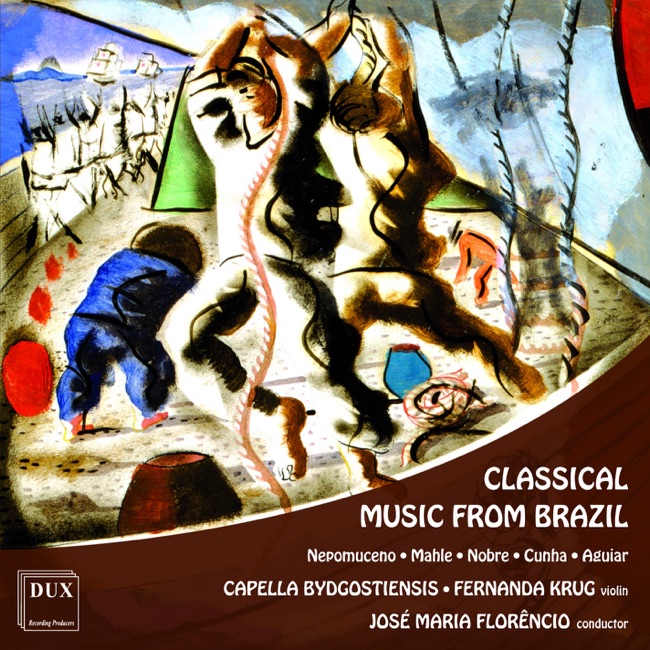 May 28, 2013
Artist Info
Role:ComposerBirth:January 3, 1929 in Stuttgart, GermanyPeriod:ContemporaryGenre:ChamberConcertoErnest Mahle was a Brazilian composer and conductor who was born on January 3, 1929, in Jaraguá do Sul, Santa Catarina, Brazil. He was the son of German immigrants who had settled in Brazil. Mahle's father was a musician, and he encouraged his son to pursue music from a young age. Mahle began studying the piano at the age of six and later learned to play the violin and the clarinet. Mahle's family moved to São Paulo when he was a teenager, and he continued his musical studies there. He studied composition with Camargo Guarnieri and conducting with Eleazar de Carvalho. Mahle also studied at the São Paulo Conservatory of Music and the University of São Paulo. Mahle's early compositions were influenced by Brazilian folk music and the music of Johann Sebastian Bach. He wrote his first symphony, Symphony No. 1, at the age of 21. The symphony was premiered by the São Paulo Symphony Orchestra in 1950 and was well-received by audiences and critics. In 1952, Mahle traveled to Europe to study music. He studied composition with Paul Hindemith in Switzerland and conducting with Hermann Scherchen in Germany. Mahle also attended the Darmstadt Summer Courses for New Music, where he was exposed to the latest developments in contemporary music. Mahle returned to Brazil in 1954 and began teaching at the São Paulo Conservatory of Music. He also became the conductor of the São Paulo Symphony Orchestra. Mahle's tenure as conductor was marked by his commitment to performing contemporary Brazilian music. He also introduced works by European composers such as Igor Stravinsky and Béla Bartók to Brazilian audiences. Mahle continued to compose throughout his career, and his works were performed by orchestras and ensembles around the world. His compositions were characterized by their use of Brazilian folk music and their incorporation of elements of contemporary music. Mahle's music was also influenced by his interest in literature and poetry. One of Mahle's most famous works is his Symphony No. 2, which was premiered in 1960. The symphony is based on the poetry of Brazilian poet Carlos Drummond de Andrade. Mahle's use of Brazilian folk music and his incorporation of contemporary techniques make the symphony a unique and powerful work. Mahle also wrote a number of chamber works, including string quartets, sonatas, and trios. His chamber music is characterized by its use of Brazilian rhythms and melodies. Mahle's Sonata for Violin and Piano is a particularly beautiful work that showcases his ability to blend Brazilian folk music with classical forms. In addition to his work as a composer and conductor, Mahle was also a respected music educator. He taught at the São Paulo Conservatory of Music for many years and was a professor at the University of São Paulo. Mahle was also a visiting professor at universities in the United States and Europe. Mahle received many awards and honors throughout his career. He was awarded the Order of Cultural Merit by the Brazilian government in 1996. He was also awarded the Medal of Honor by the São Paulo Symphony Orchestra in 2009. Ernest Mahle passed away on April 18, 2016, at the age of 87. He left behind a legacy of beautiful and innovative music that continues to inspire musicians and audiences around the world.More....
Recent Artist Music
2
6:2
3
7:28

Copyright Ⓒ 2013 Davinci Finger. All rights reseved
Service Terms & Policy