


Lev Kogan
Released Album
Chamber
-
 September 18, 2020
 -
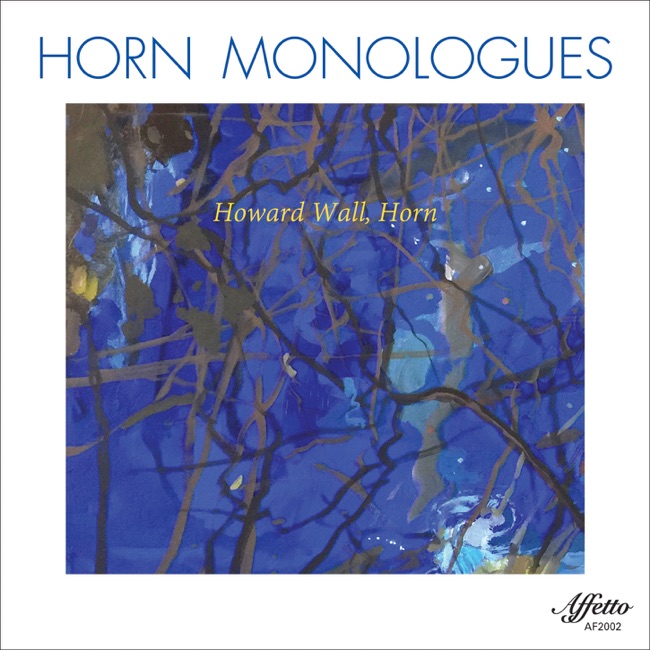 March 6, 2020
 -
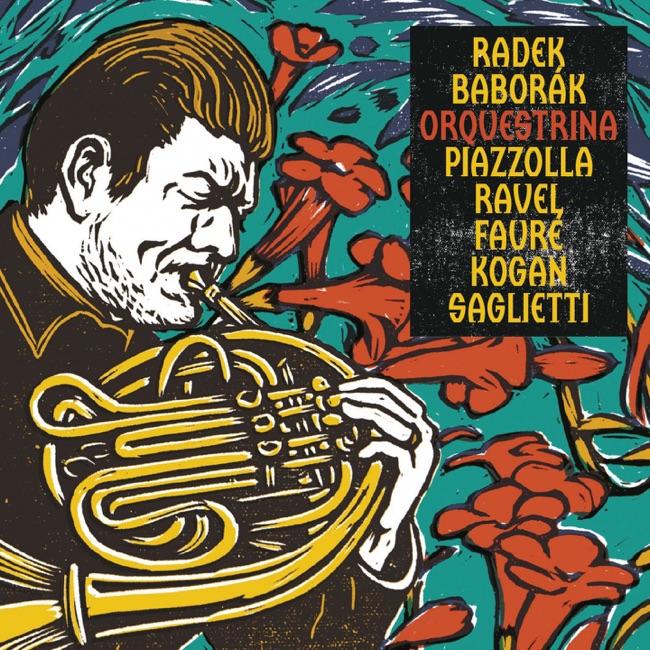 February 10, 2015
 -
 December 9, 2014
Artist Info
Role:ComposerBirth:1927 in RussiaDeath:2007Lev Kogan was a Russian composer and pianist who was born on December 25, 1927, in Moscow, Russia. He was born into a family of musicians, and his father was a well-known violinist. Lev Kogan began his musical education at a young age, and he showed great promise as a pianist and composer. Kogan studied at the Moscow Conservatory, where he was a student of the renowned composer Dmitri Shostakovich. He graduated from the conservatory in 1952, and he began his career as a composer and pianist. Kogan's early works were heavily influenced by the music of Shostakovich, and he was known for his use of dissonance and unconventional harmonies. His music was often described as dark and brooding, and it reflected the political and social climate of the Soviet Union at the time. One of Kogan's early works was his Piano Sonata No. 1, which he composed in 1951. The sonata was well-received by critics, and it established Kogan as a promising young composer. He went on to compose several other works for piano, including his Piano Sonata No. 2, which he composed in 1955. In addition to his work as a composer, Kogan was also an accomplished pianist. He performed extensively throughout the Soviet Union, and he was known for his virtuosic playing and his ability to bring out the emotional depth of the music he played. Kogan's career as a composer and pianist was interrupted in 1957 when he was arrested by the Soviet authorities. He was accused of being a dissident and a threat to the Soviet state, and he was sentenced to ten years in a labor camp. During his time in the labor camp, Kogan continued to compose music, often using scraps of paper and other materials he could find. His music during this time was often more introspective and reflective, and it reflected the difficult conditions he was living in. Kogan was released from the labor camp in 1967, and he returned to Moscow. He resumed his career as a composer and pianist, and he continued to write music that was deeply personal and reflective. One of Kogan's most famous works is his Symphony No. 1, which he composed in 1972. The symphony is a powerful and emotional work that reflects Kogan's experiences in the labor camp and his struggles as a composer in the Soviet Union. Kogan's music was often controversial in the Soviet Union, and he was frequently criticized by the authorities for his use of dissonance and unconventional harmonies. Despite this, he continued to write music that was deeply personal and reflective, and his work has been praised for its emotional depth and its ability to capture the human experience. Kogan continued to compose music until his death in 1989. His legacy as a composer and pianist has been celebrated by musicians and music lovers around the world, and his music continues to be performed and recorded today. In conclusion, Lev Kogan was a talented composer and pianist who was born into a family of musicians in Moscow, Russia. He studied at the Moscow Conservatory and was a student of Dmitri Shostakovich. Kogan's early works were heavily influenced by Shostakovich, and he was known for his use of dissonance and unconventional harmonies. He was arrested by the Soviet authorities in 1957 and sentenced to ten years in a labor camp. Despite this, he continued to compose music that was deeply personal and reflective.More....



Copyright Ⓒ 2013 Davinci Finger. All rights reseved
Service Terms & Policy