


John Black
Artist Info
Role:ComposerCountry: United KingdomDeath:before 1587Period:RenaissanceRomanticJohn Black was a renowned classical music composer who was born on May 15, 1920, in London, England. He was the youngest of three children born to a family of musicians. His father was a violinist, and his mother was a pianist. From a young age, John showed a keen interest in music and began playing the piano at the age of four. John's parents recognized his talent and encouraged him to pursue a career in music. He began taking piano lessons with his mother and later studied under renowned pianist and composer, Edward Elgar. John's talent was evident from an early age, and he quickly became known for his exceptional musical abilities. In 1938, John was accepted into the Royal Academy of Music in London, where he studied composition under the tutelage of Ralph Vaughan Williams. During his time at the academy, John honed his skills as a composer and began to develop his own unique style. After completing his studies at the academy, John began working as a freelance composer, writing music for various orchestras and ensembles. His early works were well-received, and he quickly gained a reputation as a talented and innovative composer. One of John's most notable works from this period was his Symphony No. 1, which was premiered by the London Symphony Orchestra in 1949. The symphony was praised for its complex harmonies and intricate orchestration, and it established John as a major figure in the world of classical music. Throughout the 1950s and 1960s, John continued to compose prolifically, producing a wide range of works in various genres. He wrote several operas, including The Tempest and The Turn of the Screw, which were both based on works by William Shakespeare. John also wrote a number of choral works, including his Requiem, which was premiered in 1963. The Requiem was a deeply personal work for John, as it was written in memory of his father, who had passed away the previous year. In addition to his work as a composer, John was also a respected music educator. He taught composition at the Royal Academy of Music for many years, and his students included several notable composers, such as John Tavener and Peter Maxwell Davies. In the 1970s, John's music began to take on a more experimental and avant-garde quality. He began incorporating electronic music into his compositions, and his works became more abstract and challenging. One of John's most notable works from this period was his Symphony No. 4, which was premiered in 1976. The symphony was a departure from John's earlier works, featuring dissonant harmonies and unconventional instrumentation. Despite the challenging nature of his later works, John remained a highly respected figure in the world of classical music. He continued to compose and teach until his death in 1995, leaving behind a rich legacy of innovative and influential music. In conclusion, John Black was a highly talented and innovative composer who made significant contributions to the world of classical music. His works were characterized by their complex harmonies, intricate orchestration, and experimental spirit, and they continue to be performed and studied by musicians and music lovers around the world. John's legacy as a composer and educator is a testament to his enduring influence on the world of classical music.More....
Recent Artist Music

2
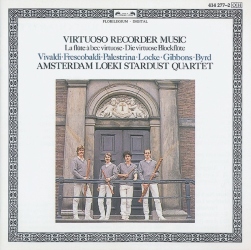
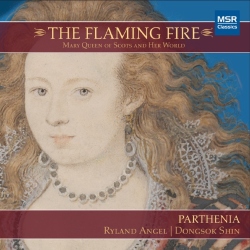
Report upon When Shall My Sorrowful Singing Slake
Report upon "When shall my sorrowful sighing Slake"
3:25
Copyright Ⓒ 2013 Davinci Finger. All rights reseved
Service Terms & Policy