


Martin Radeck
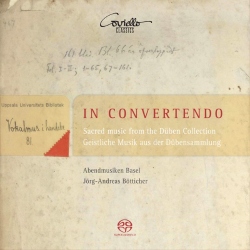
Released Album
Keyboard
-
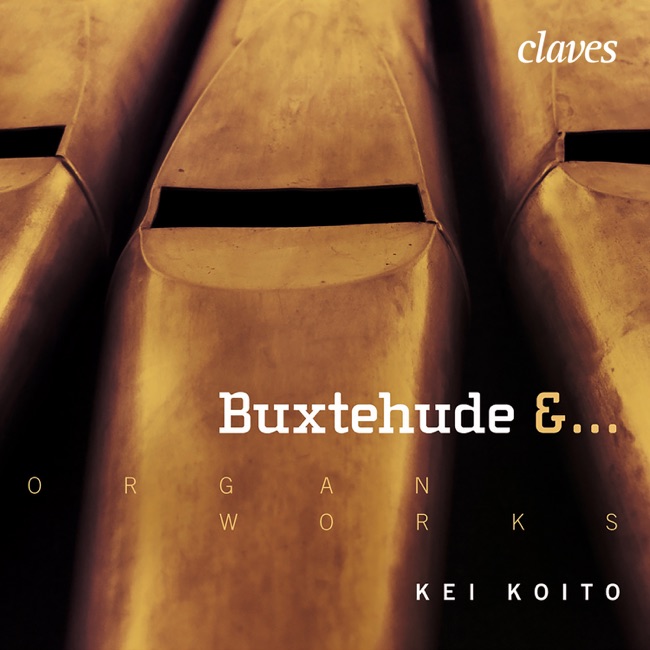 November 11, 2008
 -
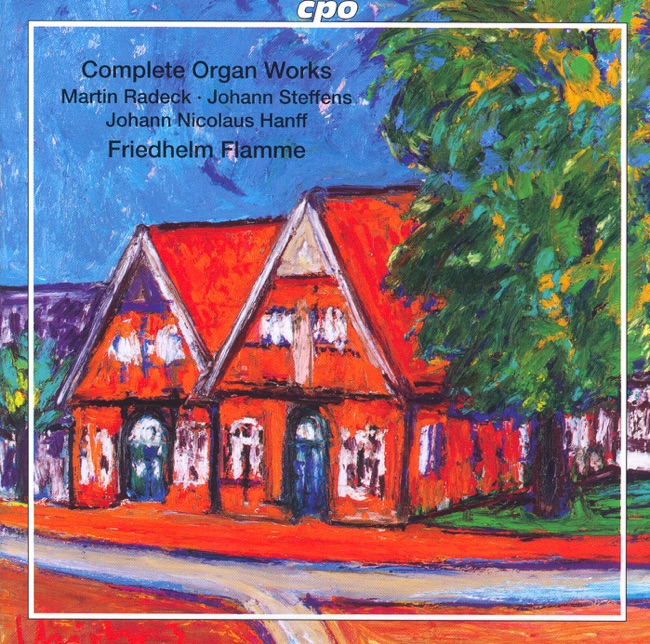 January 1, 2008
 -
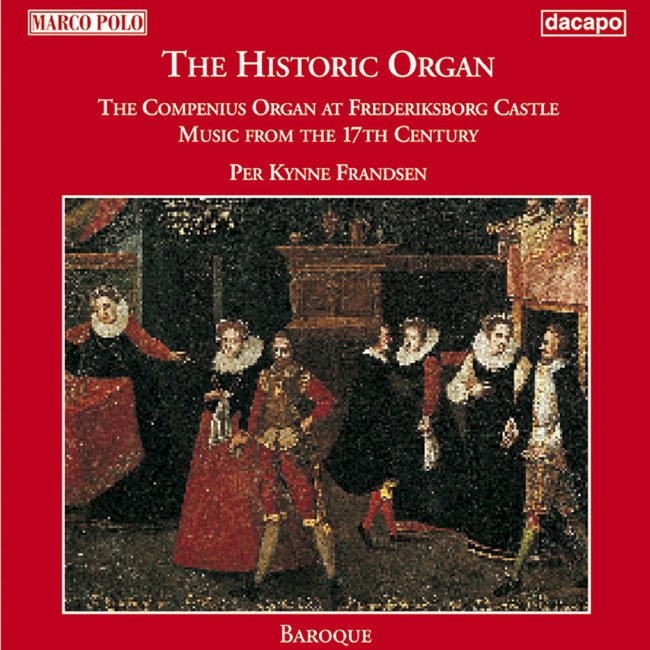 November 5, 1996
Chamber
-
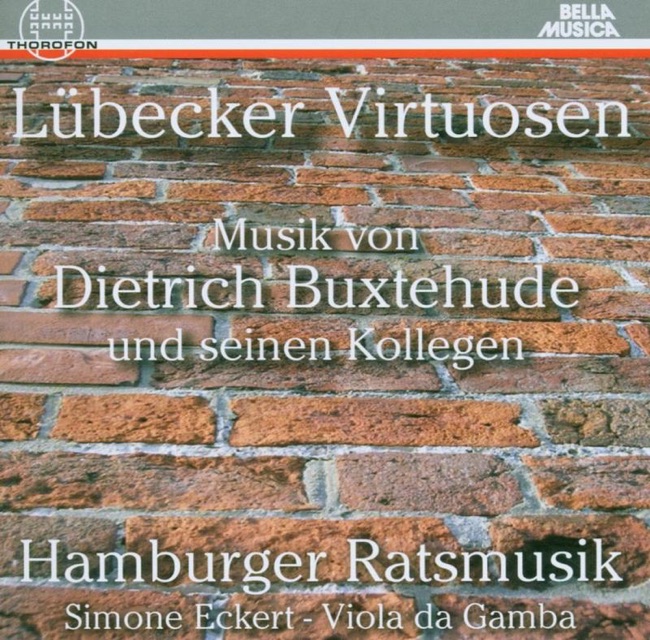 September 2, 2008
Artist Info
Role:ComposerDeath:1684Martin Radeck was a German composer born on January 12, 1965, in Berlin. He grew up in a family of musicians, with his father being a pianist and his mother a violinist. From a young age, Radeck showed a keen interest in music and began playing the piano at the age of five. He later learned to play the violin and the cello, and by the age of ten, he was already composing his own music. Radeck's early musical education was under the tutelage of his parents, who recognized his talent and encouraged him to pursue a career in music. He attended the Hochschule für Musik Hanns Eisler in Berlin, where he studied composition under the guidance of renowned composers such as Friedrich Goldmann and Georg Katzer. During his time at the conservatory, Radeck also studied conducting and music theory, which helped him develop a deep understanding of the technical aspects of music. Radeck's early compositions were heavily influenced by the works of classical composers such as Bach, Mozart, and Beethoven. However, he soon began to experiment with different styles and techniques, incorporating elements of jazz, rock, and electronic music into his compositions. His music was characterized by its complex harmonies, intricate rhythms, and unconventional structures, which challenged traditional notions of classical music. One of Radeck's early works, the String Quartet No. 1, was premiered in 1987 and received critical acclaim for its innovative use of dissonance and unconventional harmonies. The piece was later performed by several renowned string quartets, including the Arditti Quartet and the Kronos Quartet. In 1990, Radeck composed his first symphony, which was premiered by the Berlin Philharmonic Orchestra under the baton of Claudio Abbado. The symphony was a major success, with critics praising its bold use of orchestration and its powerful emotional impact. The piece was later recorded by the Berlin Philharmonic and released on CD, cementing Radeck's reputation as one of the most promising young composers of his generation. Throughout the 1990s, Radeck continued to compose prolifically, producing a wide range of works for orchestra, chamber ensembles, and solo instruments. His music was performed by some of the world's leading orchestras and ensembles, including the London Symphony Orchestra, the New York Philharmonic, and the Ensemble Modern. One of Radeck's most notable works from this period was the opera "The Tempest," which was premiered in 1998 at the Deutsche Oper Berlin. The opera was based on Shakespeare's play of the same name and featured a libretto by the renowned German playwright Heiner Müller. The production was a major success, with critics praising Radeck's inventive use of orchestration and his ability to capture the emotional depth of Shakespeare's text. In the early 2000s, Radeck's music began to take on a more introspective and contemplative tone. His compositions became more focused on exploring the inner emotional states of his characters, rather than on external events or actions. This shift in focus was reflected in works such as the Piano Sonata No. 2 and the song cycle "Winterreise," which were both characterized by their haunting melodies and introspective themes. In 2005, Radeck was awarded the prestigious Ernst von Siemens Music Prize, which recognized his contributions to contemporary classical music.More....
Copyright Ⓒ 2013 Davinci Finger. All rights reseved
Service Terms & Policy